10 Things to Check Before Working With a Gym Wear Manufacturer
- Share
- Issue Time
- Jun 10,2026
Summary
Discover the 10 most important factors to evaluate before choosing a gym wear manufacturer. Learn about fabrics, MOQ, quality control, private label services, sampling, and supply chain management for fitness apparel brands.
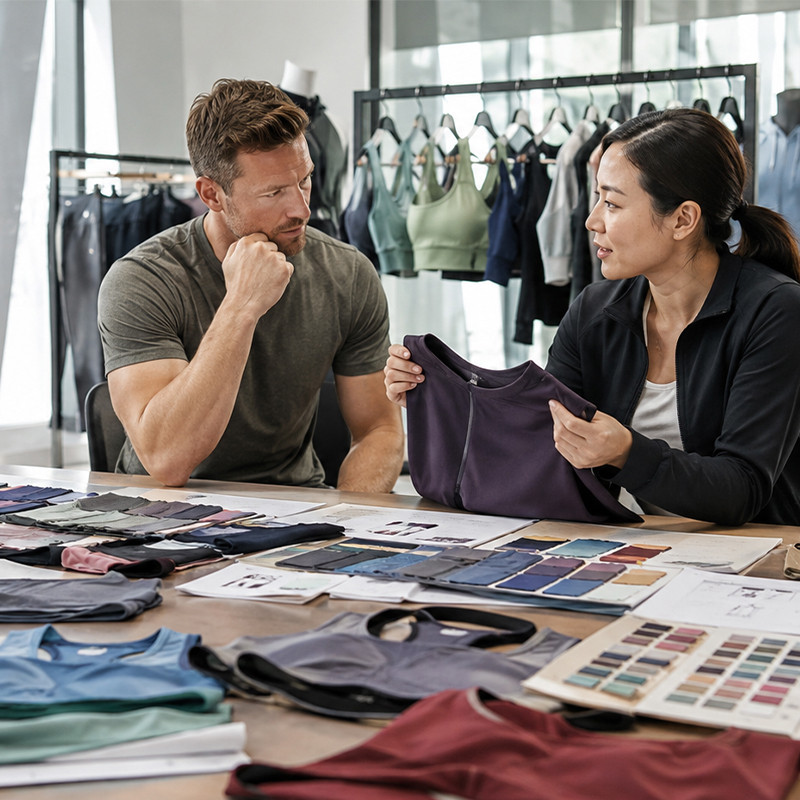
Choosing the right gym wear manufacturer can determine whether your fitness apparel brand grows successfully or struggles with quality issues, delayed deliveries, and unhappy customers.
A reliable manufacturing partner should offer more than production capacity. They should provide fabric expertise, sampling support, quality control systems, private label branding, and transparent communication.
This guide explains the 10 most important things to check before working with a gym wear manufacturer.
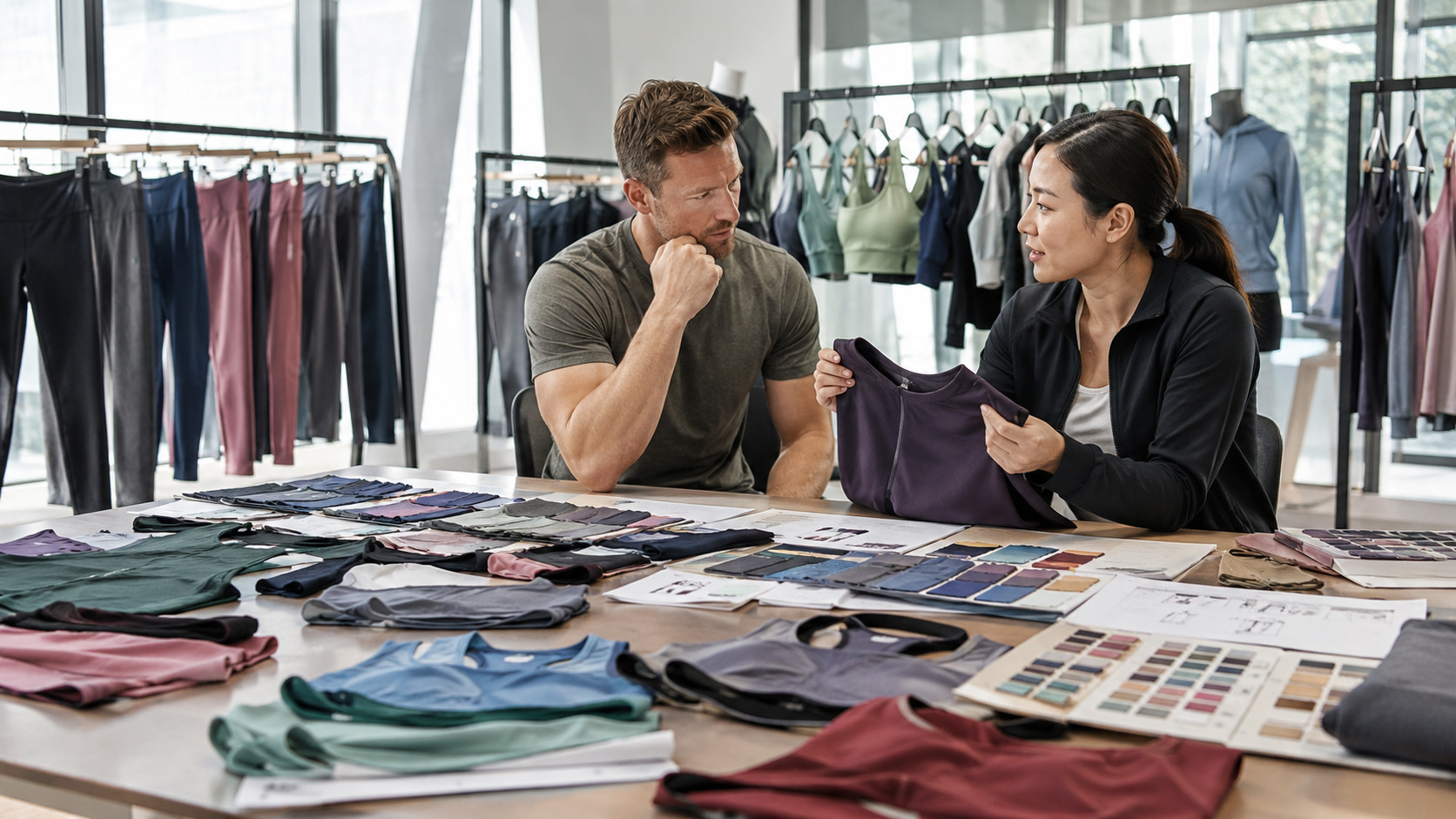
Why Is Choosing the Right Gym Wear Manufacturer So Important?
The manufacturer you choose directly affects product quality, customer satisfaction, profit margins, delivery speed, and brand reputation. Even a strong marketing strategy cannot save a fitness apparel brand if the products have poor fabric, weak stitching, bad fit, or unstable sizing.
According to the ISO 9001 Quality Management System, consistent production processes are important for reducing defects and improving product quality. This is especially relevant for gym wear, where stretch, comfort, durability, and performance are essential.
If you are developing activewear for a fitness brand, working with an experienced gym wear manufacturer can reduce development risks and help you launch products with better consistency.
1. Does the Manufacturer Specialize in Gym Wear?
Not every clothing factory understands activewear production. Gym wear requires technical knowledge of stretch fabrics, compression construction, moisture-wicking performance, flatlock stitching, and body movement.
What to Ask Before Cooperation
- How many years have you produced activewear?
- Which fitness apparel categories do you produce most often?
- Can you make leggings, sports bras, gym tops, tank tops, hoodies, and track pants?
- Do you support OEM, ODM, and private label production?
You can also review the service scope of a professional custom activewear manufacturer to understand what a specialized supplier should provide.
2. What Fabrics Do They Offer?
Fabric selection has a major impact on comfort, performance, product positioning, and customer satisfaction. A professional gym wear manufacturer should help you choose fabrics based on product use, target price, stretch level, hand feel, and brand positioning.
| Fabric Type | Common Use | Main Benefits |
|---|---|---|
| Nylon Spandex | Leggings, sports bras, yoga sets | Soft hand feel, strong stretch, premium comfort |
| Polyester Spandex | Training tops, gym shorts, sportswear | Moisture management, durability, cost efficiency |
| Recycled Performance Fabric | Sustainable activewear collections | Eco-friendly positioning and modern brand value |
| Ribbed Fabric | Yoga sets and lifestyle activewear | Textured appearance, premium visual style |
| Bamboo Blend | Soft lifestyle activewear | Comfort, softness, and breathable touch |
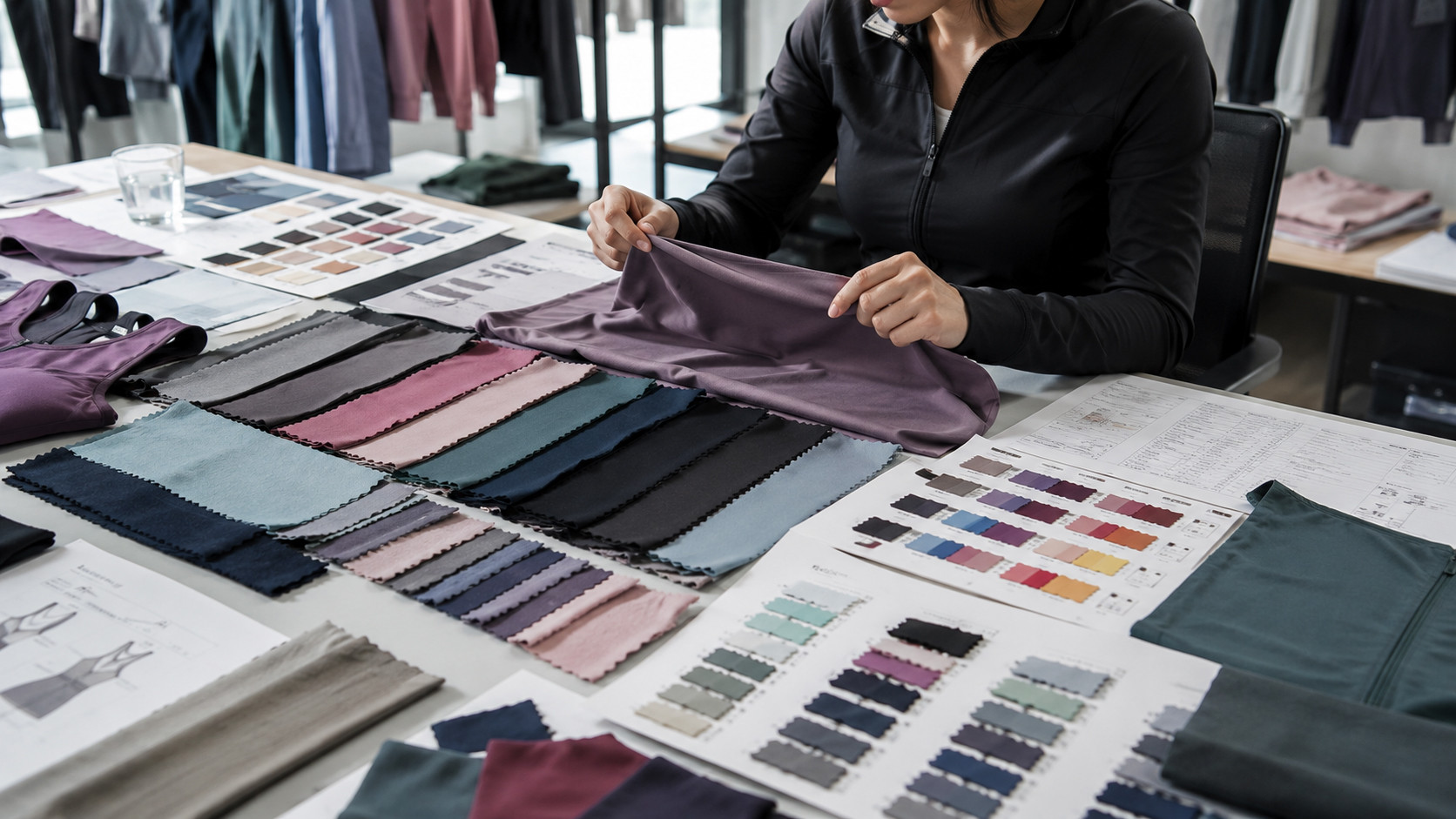
Before bulk production, always request fabric swatches, color cards, and testing details. You can also study this activewear fabric guide before confirming your materials.
3. Do They Have a Strong Sampling Process?
Sampling is the stage where fit, fabric, construction, and design problems are discovered before bulk production. A weak sampling process can lead to expensive production mistakes.
What a Good Sampling Process Includes
- Technical review
- Pattern development
- Prototype sample
- Fit correction
- Pre-production sample approval
A good manufacturer should help you confirm size, fit, fabric performance, stitching quality, and logo placement before mass production starts. You can learn more from the full activewear manufacturing process.
4. What Is Their Minimum Order Quantity?
MOQ is one of the most important factors for startup fitness brands. Some factories only accept large retail programs, while others support smaller private label orders.
| Factory Type | Typical MOQ | Best For |
|---|---|---|
| Large Factory | 500–1000 pcs/style | Established retail brands |
| Medium Factory | 200–500 pcs/style | Growing fitness brands |
| Startup-Friendly Factory | 100–200 pcs/style | New activewear brands and test orders |
Always confirm MOQ by style, color, and size range before starting product development.
5. How Strong Is Their Quality Control System?
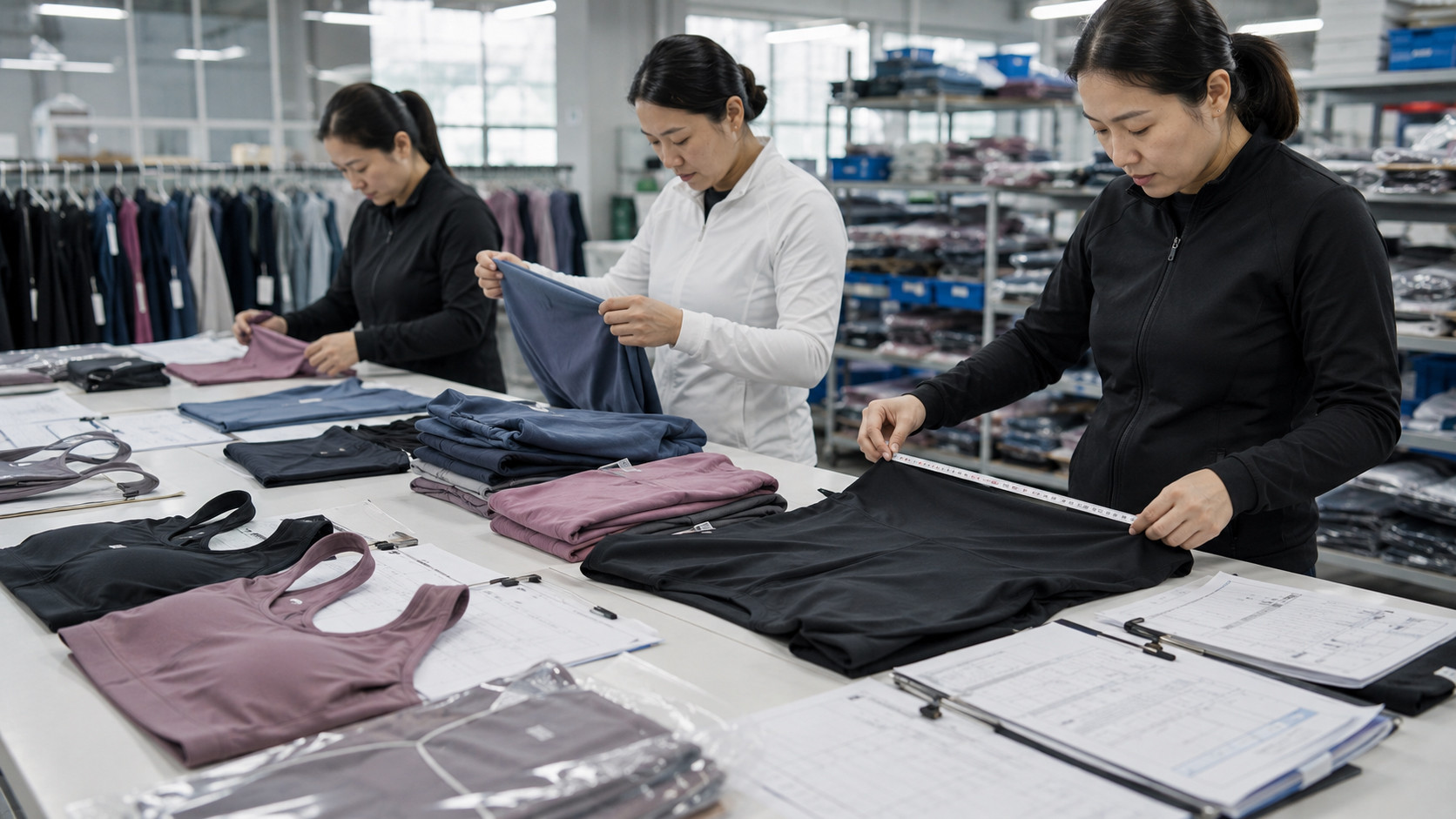
Quality control should not only happen at the end of production. A reliable gym wear manufacturer should inspect materials, semi-finished garments, finished products, measurements, stitching, logo placement, packaging, and carton details.
Fabric Inspection
Fabric should be checked for color consistency, stretch recovery, defects, GSM, width, and hand feel before cutting.
In-Line Inspection
During sewing, the factory should check measurements, seam quality, logo placement, and construction details.
Final Inspection
Finished garments should be reviewed for sizing, appearance, stains, labels, packing, and overall quality.
Packing Inspection
Packaging, hang tags, polybags, barcodes, carton marks, and shipping documents should be checked before delivery.
A clear quality control system helps reduce returns, customer complaints, and production losses.
6. Can They Support Private Label Branding?
Private label branding helps fitness apparel brands create a professional identity. A manufacturer that only produces blank garments may not be enough if you want to build a serious brand.
Branding Options to Check
- Woven labels
- Heat transfer neck labels
- Hang tags
- Custom polybags
- Branded packaging boxes
- Silicone logos
- Embroidery and printing
If branding is important for your business, choose a partner that offers complete private label activewear solutions.
7. Do They Have Product Development Expertise?
Many fitness brands need more than sewing support. A strong manufacturer should help you improve fabric selection, fit structure, product function, cost control, and production feasibility.
Why Product Development Support Matters
Good development support can help improve product comfort, reduce return rates, avoid fabric mistakes, and shorten the launch timeline. This is especially important for products such as custom leggings, custom sports bras, and custom yoga wear.
Before confirming a supplier, review whether they can provide professional fabric selection support and practical product advice.
8. How Transparent Is Their Supply Chain?
Supply chain transparency is becoming more important for modern apparel brands. You should know where fabrics, trims, labels, packaging, and production resources come from.
The OECD Due Diligence Guidance encourages companies to understand and manage supply chain risks. For fitness apparel brands, this means choosing suppliers who can explain their sourcing process clearly.
Questions to Ask
- Where are the fabrics sourced?
- Can you provide fabric composition details?
- How do you manage trims and packaging suppliers?
- Can production timelines be tracked clearly?
A transparent activewear supply chain makes production planning safer and more predictable.
9. What Communication System Do They Use?
Poor communication is one of the most common reasons apparel production projects fail. A professional manufacturer should respond clearly, provide updates on time, and explain problems honestly.
Good communication signs: fast response, clear production timeline, dedicated merchandiser, detailed sample comments, organized documents, and transparent problem-solving.
Red Flags to Avoid
- Slow replies
- Vague answers
- No clear production schedule
- No sample approval documents
- No quality control photos before shipment
10. Can They Scale With Your Brand?
The manufacturer that supports your first order should also be able to support your future product expansion. As your fitness apparel brand grows, you may need more product categories, better packaging, faster lead times, and larger production capacity.
Product Categories for Future Growth
A scalable manufacturer should be able to support categories such as women's sportswear, men's sportswear, custom gym t-shirts, custom tank tops, custom hoodies, and custom track pants.
Choosing a scalable supplier allows your brand to grow without frequently changing manufacturing partners.
Gym Wear Manufacturer Evaluation Checklist
| Evaluation Area | What to Check | Why It Matters |
|---|---|---|
| Specialization | Activewear experience | Ensures better fit, construction, and fabric performance |
| Fabric Options | Nylon spandex, polyester spandex, recycled fabrics | Determines comfort, function, and product positioning |
| Sampling | Prototype, fit sample, pre-production sample | Reduces production mistakes before bulk orders |
| MOQ | Minimum order by style, color, and size | Helps brands manage inventory and budget |
| Quality Control | Fabric, in-line, final, and packing inspection | Protects product quality and customer satisfaction |
| Private Label | Labels, tags, packaging, logo applications | Builds a professional brand identity |
| Supply Chain | Fabric sourcing and production transparency | Improves planning and reduces risk |
| Scalability | Capacity and category expansion | Supports long-term brand growth |
Final Thoughts
Choosing a gym wear manufacturer should never be based only on price. The best manufacturing partners provide technical expertise, fabric knowledge, quality control systems, private label support, transparent supply chain management, and reliable communication.
Before placing a bulk order, evaluate each supplier using the 10 points above. A careful supplier selection process can help your fitness apparel brand avoid costly mistakes and build products that customers want to wear again and again.
Looking for a Reliable Gym Wear Manufacturer?
Ohsurewear supports OEM, ODM, and private label activewear production for fitness brands, startups, and growing apparel businesses.
Start Your Gym Wear Project```