Activewear Fabric Guide: Materials, GSM, Stretch, Recovery and Performance Testing
- Share
- publisher
- Ohsure
- Issue Time
- Sep 19,2026
Summary
Choose activewear fabrics by activity, material, GSM, stretch, recovery and performance evidence, with practical sampling recommendations and a supplier checklist.
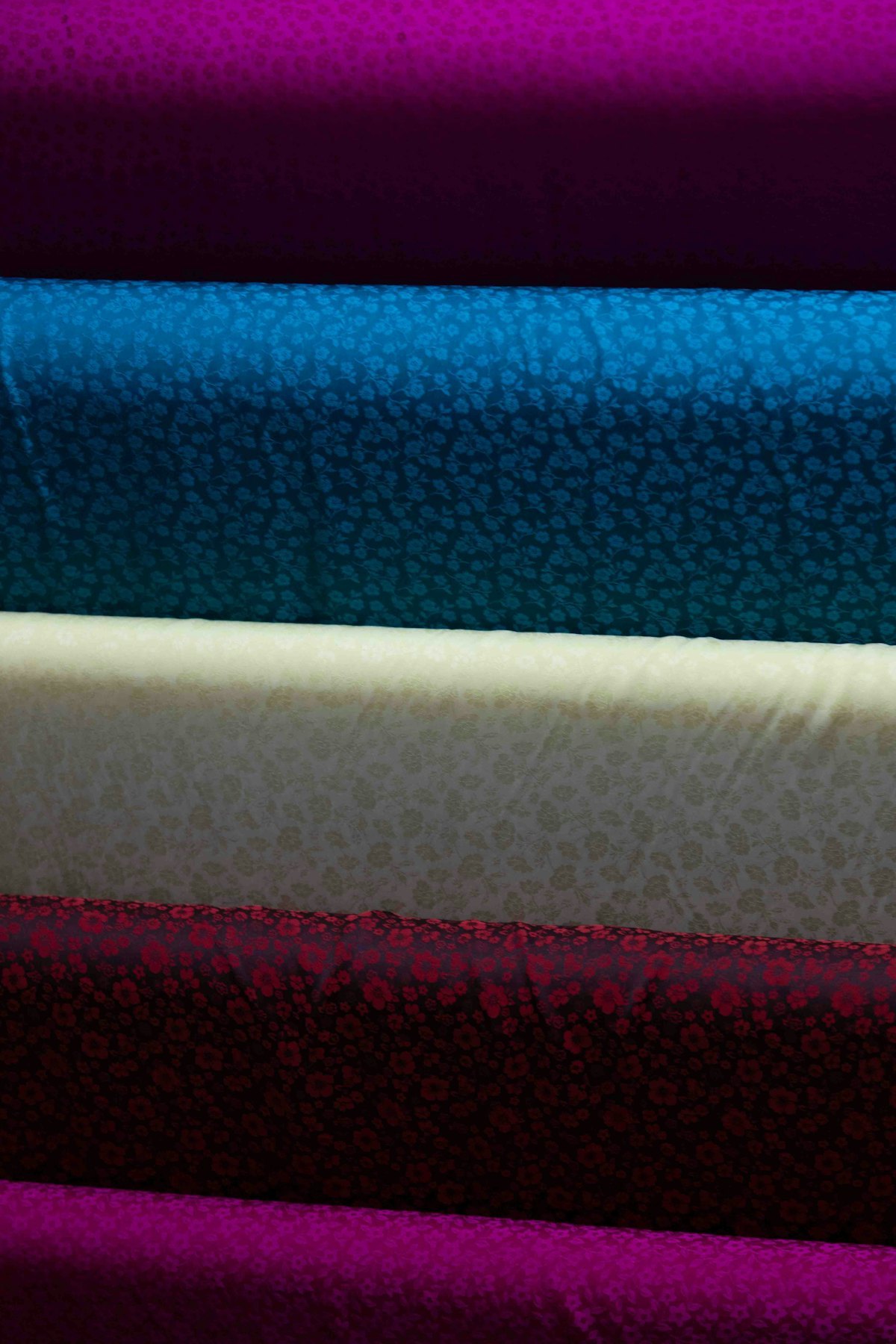
Fabric selection for activewear brands
Choose Fabric Around the Activity and the Finished Garment
Choose activewear fabric by intended activity, garment fit and verified performance. Start with nylon–elastane or polyester–elastane for fitted stretch pieces, and lightweight performance knits for running tops. Use GSM to compare weight, then check stretch, recovery, opacity and wash behavior. A fiber name or heavier fabric alone cannot establish suitability.
This is a purchasing recommendation guide. The GSM bands below are suggested sampling starting points, not universal specifications, laboratory findings or verified Ohsure fabric results.
1. Recommended Starting Points by Product
Build a shortlist around the movement and climate your customer will experience. Request contrasting swatches within a suitable weight band, then make samples in the intended fit. These editorial recommendations help structure that comparison; acceptance limits should come from your product brief and sample evaluation.
| Product and use | Fabric to sample first | Suggested GSM starting band | What should decide approval |
|---|---|---|---|
| Yoga and Pilates leggings | Nylon–elastane or polyester–elastane stretch knit; compare smooth and lightly brushed finishes | 200–260 g/m² | Comfort in deep movement, recovery at knees and seat, and opacity in the intended colors |
| Gym and training leggings | Stable nylon–elastane or polyester–elastane knit | 220–300 g/m² | Recovery, surface durability, seam behavior and opacity at the actual garment strain |
| Running tops | Lightweight polyester knit or mesh; add elastane only where the fit needs it | 110–170 g/m² | Moisture transport, drying behavior, ventilation and skin comfort |
| Training tops | Polyester or nylon performance knit, with stretch matched to the silhouette | 140–200 g/m² | Movement, wash stability, drying performance and logo compatibility |
| Sports bra outer fabric | Stable stretch knit; evaluate lining, elastic and construction together | 200–280 g/m² for the outer fabric only | Finished-garment support and comfort; weight alone cannot establish a support category |
| Casual athleisure tops | Cotton blend or suitable synthetic blend | 160–240 g/m² | Hand feel, shape retention and acceptable drying time for the intended use |
A fabric outside these bands may be the better choice. Climate, knit structure, lining, yarn, finish and pattern tension can outweigh the nominal GSM. Avoid using a single range for every product in a matching collection.
2. How to Compare the Main Material Options
Nylon–elastane: a useful candidate for fitted pieces
Put nylon–elastane on the shortlist when evaluating leggings and close-fitting studio wear. Compare actual swatches for smoothness, stretch resistance and surface appearance. A soft touch does not prove durability, and two fabrics with the same composition can behave differently after repeated wear and washing.
Polyester and polyester–elastane: candidates for training and running
Consider polyester-based knits for lightweight tops and stretch blends for fitted training pieces. Confirm the fabric construction and moisture-management treatment rather than assuming that every polyester fabric wicks well. Where graphics are important, approve the decoration process on the actual fabric and color.
Cotton blends: prioritize the intended wear setting
Cotton blends can suit comfort-led casual pieces. For sweat-intensive uses, compare wet feel and drying performance against synthetic alternatives. REI’s fabric guidance describes the moisture and drying tradeoffs of cotton, nylon and polyester; the final textile still needs evaluation in the intended garment.
Elastane percentage: record it, but do not buy by percentage alone
Elastane is also called spandex. More elastane does not automatically mean better recovery, stronger support or greater comfort. Yarn placement, knit structure, finishing and the pattern all matter. Recycled fiber content likewise does not establish stretch, drying or durability performance; evaluate those separately.
3. GSM Measures Weight per Area
GSM means grams per square meter. It helps compare fabric mass when the measurement conditions are consistent. It does not directly measure thickness, opacity, breathability or quality. ASTM D3776/D3776M covers methods for determining fabric mass per unit area.
A simple GSM calculation
GSM = specimen mass in grams ÷ specimen area in square meters. For arithmetic illustration only, a 0.01 m² specimen weighing 2.4 g corresponds to 240 g/m². This example is not a test result or a substitute for the sampling and conditioning required by a test method.
Ask for the target weight, agreed tolerance, method and actual measured result. A heavier fabric can provide a different feel, but it may also change comfort and garment drape. Evaluate light colors under stretch rather than treating a high GSM as a promise of coverage.
4. Separate Stretch, Growth and Recovery
Stretch describes extension under defined conditions. Residual growth describes the length increase remaining after unloading and a stated rest period. Recovery describes how much of the imposed extension is recovered. A percentage without a method, direction, load and timing is difficult to compare.
For a simple illustration, a marked length of 100 mm extended to 150 mm has 50% extension. If it rests back to 103 mm, residual growth is 3% of the original length. Recovered extension is 47 mm out of 50 mm, or 94%, under this explicitly stated calculation. Different methods may define or report results differently.
Ask the laboratory to choose a suitable method for the construction and use. ASTM lists D2594 for low-power knitted fabric stretch properties; D4964 addresses tension and elongation of elastic fabrics. Do not assume one method is appropriate for every supportive or compression-style fabric.
- Request results in both principal fabric directions.
- Record load or extension, hold time, recovery interval and cycle count.
- Compare like-for-like methods before ranking suppliers.
- Check the sewn garment too: a waistband, seam or lining can restrict otherwise suitable stretch.
5. Ask for Tests That Match the Product Claim
Use the following map to discuss a test plan with the supplier or laboratory. It identifies relevant methods, not universal pass marks. Obtain the applicable method edition and agree the acceptance criteria before testing.
| Question | Method to discuss | What to request with the result |
|---|---|---|
| Is the stated fabric weight supported? | ASTM D3776/D3776M | Sample identity, conditioning, option used, measured GSM and agreed tolerance |
| Does it move liquid moisture? | AATCC TM195 | Reported moisture-management metrics and relevant face-to-back orientation |
| How does it dry under controlled conditions? | AATCC TM201 | Heated-plate drying result and test conditions; do not substitute a wicking claim |
| Will the surface pill or fuzz? | ISO 12945-2 | Assessment grade, exposure stages and specimen details |
| How does the surface withstand abrasion? | ISO 12947-2 | Breakdown endpoint, test settings and sample identity; this is not a pilling grade |
| Will color transfer or change? | AATCC TM8 / TM15 / TM61 | Relevant rubbing, perspiration or laundering results, including color and staining assessment |
Moisture movement, drying and air permeability answer different questions. A fast-wicking result does not establish all three. Similarly, a pilling grade cannot predict a guaranteed number of months of wear. Read the complete report, including limitations and any deviations from the method.
For wash stability, agree care conditions, repeat count, measurement points and acceptable dimensional change. For opacity, define a garment assessment protocol with consistent light, background, color, size and movement. Treat that as your agreed product check unless a specific validated method is identified.
6. A Practical Fabric Selection Checklist
Use this sequence to narrow the options without turning every preference into a laboratory requirement.
- Write the use brief. State product, activity, climate, fit, size range, colors, decoration and intended care.
- Compare a small shortlist. Record fabric codes, fiber percentages, construction, GSM, usable width and finish. Keep swatches identifiable.
- Make the relevant sample. Evaluate movement, coverage, seams and skin contact in the intended pattern and colors.
- Verify the important claims. Obtain reports for the properties the product needs, with sample codes matching the proposed fabric. Identify whether reports cover the actual color and finish.
- Approve and retain a reference. Save the approved sample, material specification and agreed limits. Confirm how bulk substitutions and changes will be approved.
Copy this brief into a supplier inquiry
Product and activity: ___; target fit and sizes: ___; colors: ___; preferred composition and finish: ___; proposed GSM and tolerance: ___; stretch/recovery conditions: ___; opacity and wash checks: ___; laboratory methods and acceptance limits: ___; available reports: ___; sample approval owner: ___.
7. Turn the Shortlist into an Ohsure Sourcing Brief
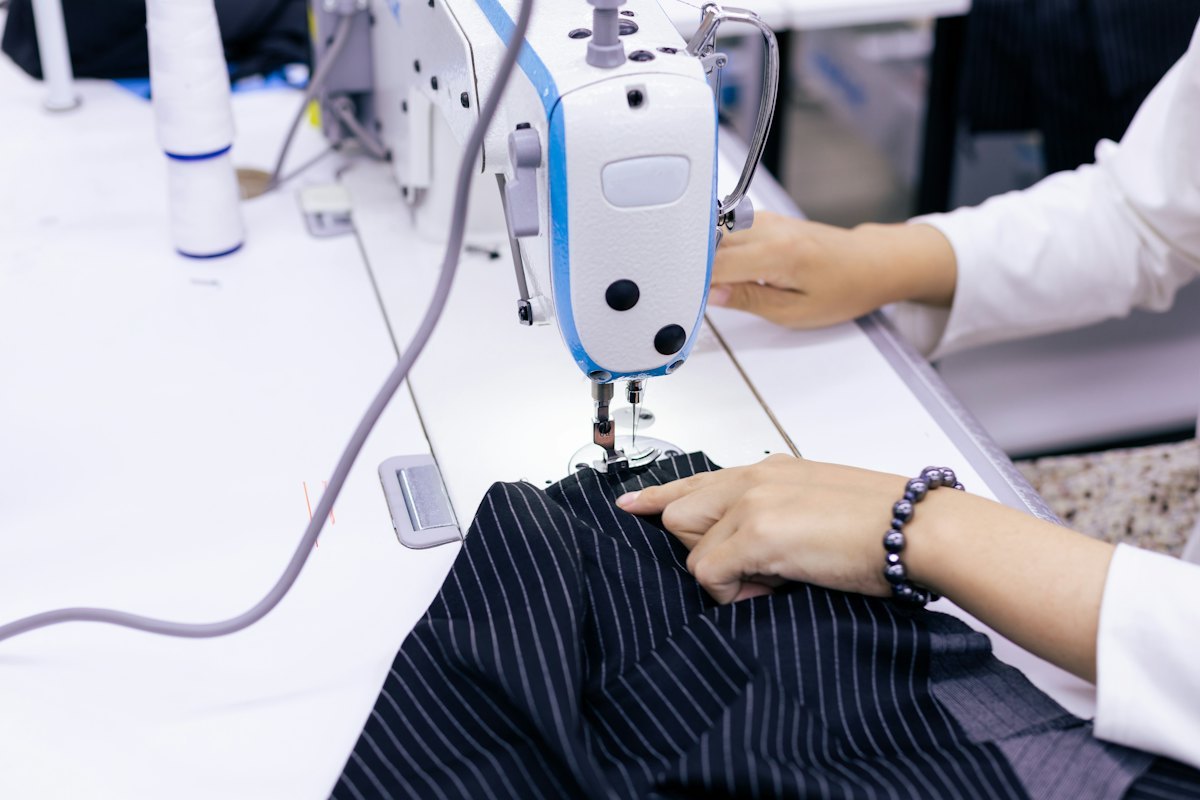
When discussing a collection with Ohsure’s sportswear manufacturing team, send the product brief, reference fit, target colors, quantity breakdown and the performance evidence you need. Ask which proposed fabrics and reports are available for your specific project. Confirm the exact fabric code and approved construction before treating any swatch as a bulk commitment.
Fabric selection also affects sourcing flexibility. Review in-stock versus custom-dyed fabric before fixing your color plan, and how fabric and sample costs affect unit price before comparing quotes. Use the first-collection cost planning guide to include development and testing in the budget.
This guide does not claim that a particular Ohsure fabric has passed the listed methods. Request current, sample-specific evidence for the material being offered.
Frequently Asked Questions
What fabric should I try first for yoga leggings?
Start by sampling a comfortable nylon–elastane or polyester–elastane knit. Compare recovery, opacity and movement in your pattern. The preferred finish and weight depend on the climate and feel you want.
Is higher GSM always better for leggings?
No. It indicates more mass per area, not a complete performance ranking. Compare coverage under stretch, comfort, surface durability and recovery before choosing.
Does more spandex guarantee better recovery?
No. Composition is one input. Compare results under the same method and conditions, then check the sewn sample after movement and washing.
Are moisture-wicking and quick-drying the same?
No. Wicking concerns liquid movement; drying concerns moisture removal over time. Request evidence for each claim you intend to make.
Can a stretch test prove that leggings are squat-proof?
No. Stretch data does not establish garment opacity. Assess the intended colors, sizes and fit under a consistent movement and lighting protocol.
Can one report cover every color and future order?
Do not assume it does. Check the report’s sample, finish and lot scope, and agree when new colors, material changes or future production require verification.
Sources and Scope
The linked ASTM, AATCC and ISO pages identify the scope of the named methods; full procedures and appropriate editions should be confirmed with the testing laboratory. Recommendations and GSM bands in this article are editorial sampling guidance, not thresholds prescribed by those standards. No original laboratory dataset is presented.
Prepared for Ohsure · Recommendation guide · Updated September 19, 2026.