Activewear Tech Pack Checklist: What Your Manufacturer Needs Before Sampling
- Share
- Issue Time
- Oct 31,2026
Summary
Prepare your activewear tech pack with OHSURE’s checklist covering measurements, fabrics, construction, logos, and sample approval requirements.
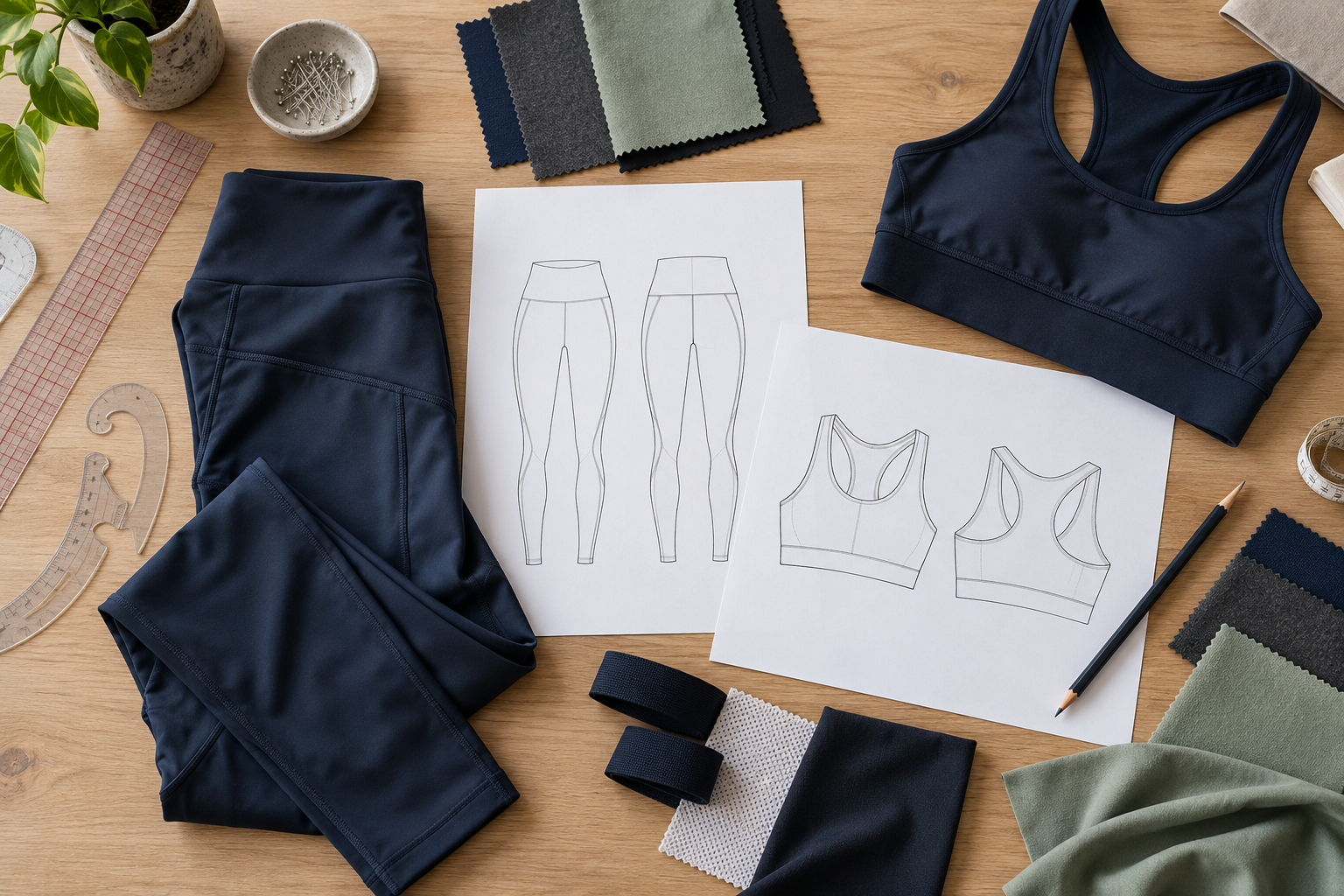
OHSURE · Activewear Development Guide
Your first sample starts with the information you provide. Clear drawings, material specifications, and measurement instructions give your manufacturer a practical reference for turning a design into a wearable garment.
Quick answer: Before sampling, send your manufacturer technical drawings, a base-size measurement chart, fabric specifications, construction details, color references, logo artwork, and a clear sample brief. For activewear, also define stretch, recovery, opacity, and support expectations. Mark unresolved items for approval so the factory can identify gaps before cutting fabric.
What Is an Activewear Tech Pack?
An activewear tech pack is the working specification for a garment style. It combines drawings, materials, measurements, construction instructions, branding details, and revision records. The manufacturer uses this information to develop patterns, prepare samples, and evaluate the finished garment.
A measurement sheet is one part of a tech pack. It defines dimensions but does not explain every fabric, seam, trim, logo, or finishing decision.
Keep a separate style code and specification for each garment. A matching sports bra and leggings set can share fabric references and color standards, while each item maintains its own measurements, construction details, and approvals.
Activewear Tech Pack Checklist Before Sampling
| Section | What to Provide | Purpose |
|---|---|---|
| Style identification | Style name, style code, version, issue date, sample size, and approval contact. | Identifies the correct specification. |
| Technical drawings | Front and back views, enlarged details, seams, panels, and pocket locations. | Explains the garment structure. |
| Measurement specification | Base-size garment measurements, units, measurement methods, and tolerances. | Defines measurable sample targets. |
| Bill of materials | Main fabric, lining, mesh, elastic, cups, labels, thread, and other components. | Supports sourcing and costing. |
| Construction | Seam requirements, waistband structure, gusset, reinforcement, and finishing. | Defines assembly requirements. |
| Performance brief | Intended activity, stretch, recovery, opacity, support, and evaluation criteria. | Connects the sample to its intended use. |
| Color and branding | Color references, artwork, dimensions, placement, and application method. | Clarifies appearance and branding. |
| Sample instructions | Sample purpose, quantity, target date, review priorities, and substitution rules. | Defines the scope of the sample. |
1. Identify the Style and Sample Purpose
State whether you need a development prototype, fit sample, size set, or pre-production sample. Each stage answers different questions.
A prototype made in substitute fabric may help assess shape and assembly. It cannot confirm the final fabric’s handfeel, opacity, recovery, or fit.
- Style code: Assign a unique reference, such as AW-LG-001.
- Sample size: Identify the exact base size to develop.
- Version: Include the issue date and revision number.
- Review priorities: Explain which features the sample needs to demonstrate.
- Approval owner: Name the person responsible for decisions.
2. Provide Technical Drawings with Detail Views
Include front and back drawings with callouts for seam positions, panels, pockets, hems, and branding. Add enlarged views for hidden or complex structures.
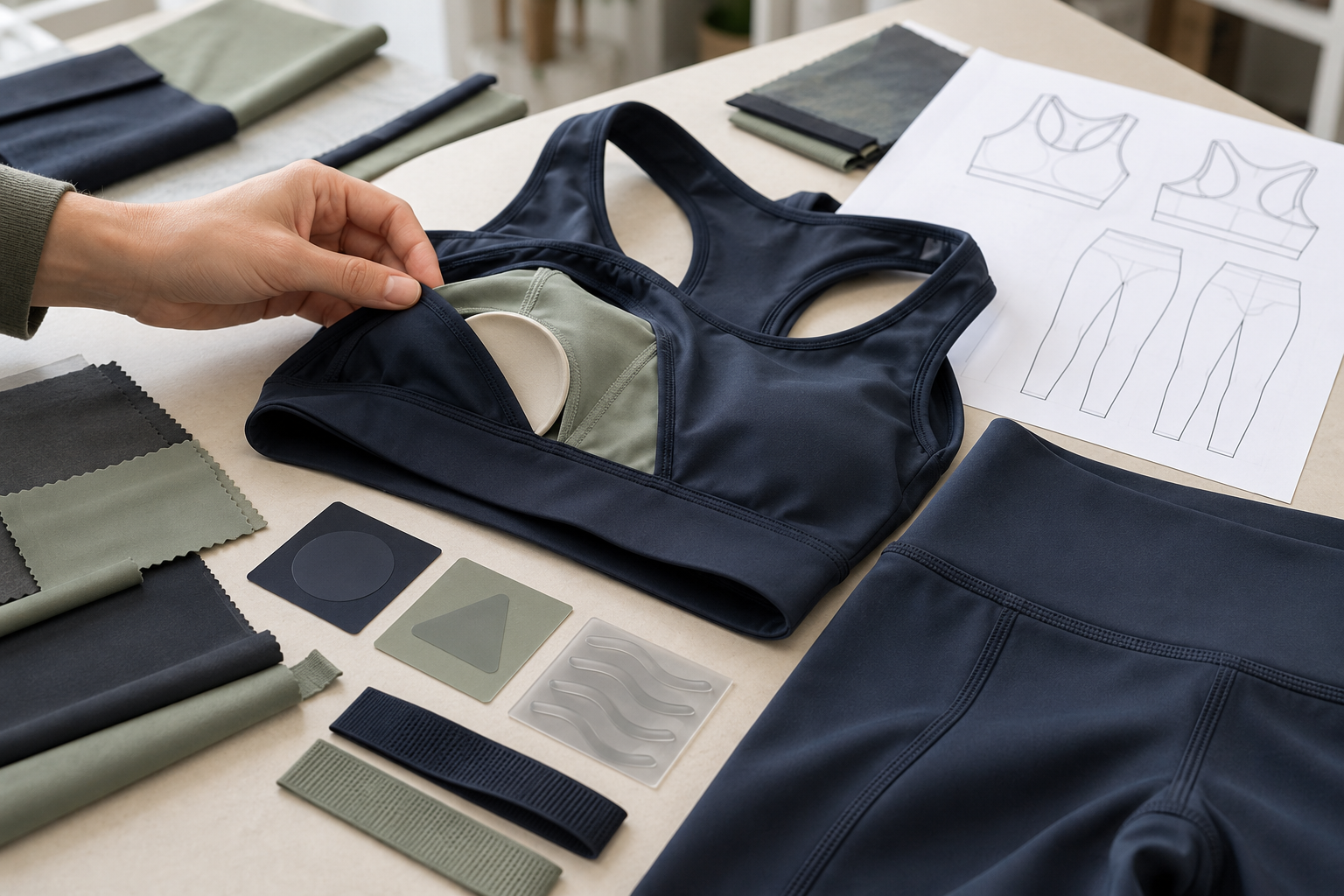
For leggings, show the gusset, waistband layers, and pocket construction. For sports bras, show the lining, cup openings, underband, straps, and adjusters where applicable.
Reference photos can help explain a feature. Label exactly what each image illustrates and identify which written instruction takes priority if the references differ.
3. Separate Body Measurements from Garment Measurements
A customer body-size chart describes the intended wearer. A garment measurement chart describes the finished product. Stretch garments may measure smaller than the wearer’s body, so these charts cannot be used interchangeably.
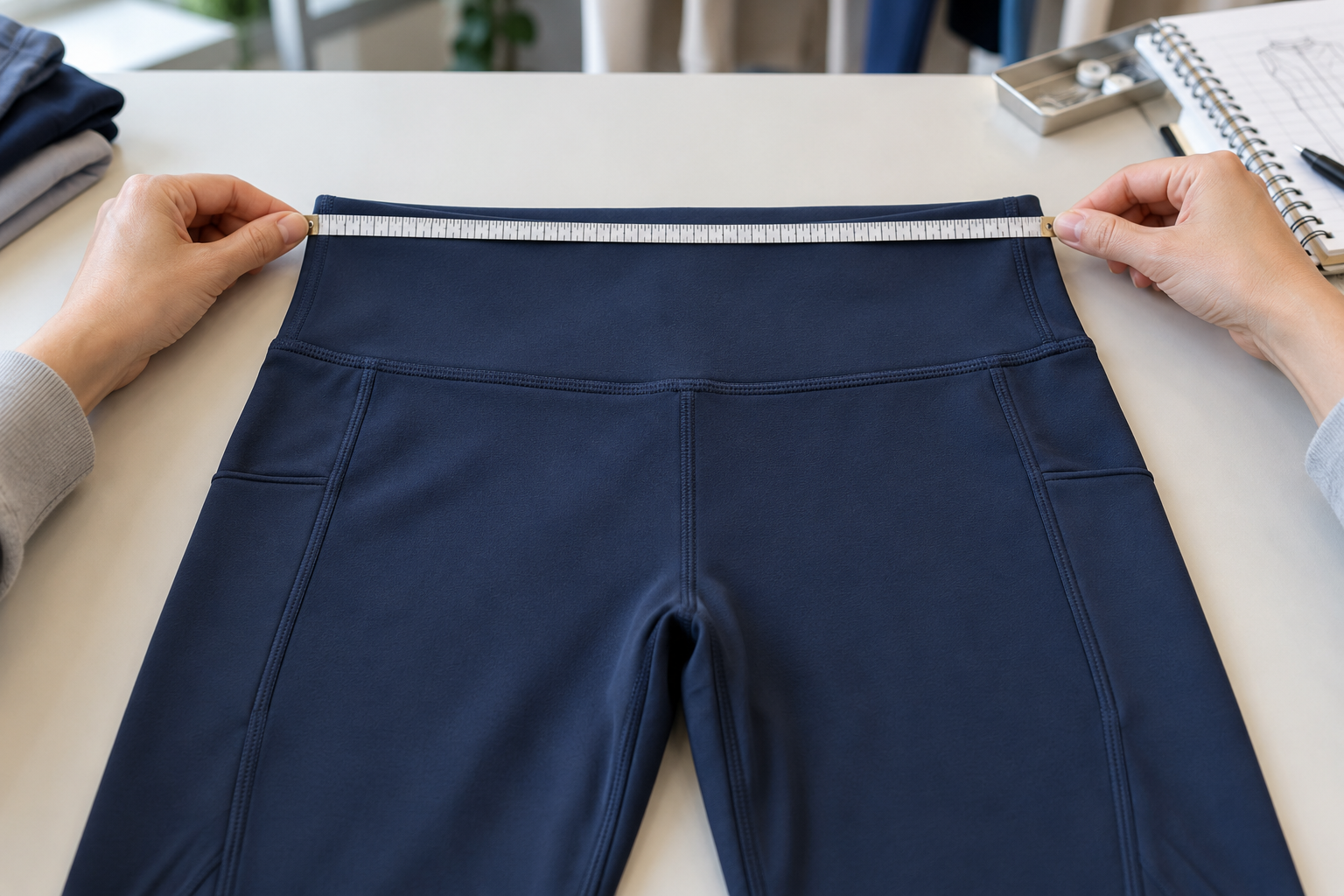
Give each point of measure a code, diagram, method, target, and agreed tolerance. State whether the garment is measured relaxed, stretched, or after an agreed wash procedure.
| Point of Measure | Method | Target | Tolerance |
|---|---|---|---|
| A — Half waist | Measure straight across the relaxed waistband with the garment laid flat. | Approved base-size value | Agree for this point |
| B — Half hip | Measure across the garment at the marked distance below the waist. | Approved base-size value | Agree for this point |
| C — Inseam | Follow the inseam from the defined crotch point to the finished hem. | Approved base-size value | Agree for this point |
| D — Waistband height | Measure between the indicated finished edges without stretching. | Approved base-size value | Agree for this point |
Measurement tip: Use consistent units and distinguish half-width measurements from circumferences. If stretched measurements are required, agree on the method and applied load so both teams can repeat the check.
4. Specify Fabrics and Components in the BOM
Your bill of materials, or BOM, lists the components needed to make the garment. Include the main fabric, lining, mesh, elastic, cups, thread, labels, closures, and relevant trims.
For each fabric, provide composition, knit or woven structure, target weight, finish, color, and material code where available. An approved physical swatch provides a clearer reference than a description such as “premium soft fabric.”
- Location: Identify where each material is used.
- Reference: Include fabric codes or approved swatches.
- Approval status: Mark proposed, approved, and substitute materials clearly.
- Availability: Request confirmation of sourcing time and minimum quantities.
5. Define Activewear Performance Requirements
Explain the intended activity and how the sample will be evaluated. Fabric composition alone does not define the performance of a finished garment.
Leggings and Fitted Shorts
- Check opacity at the intended fit, stretch, and color.
- Review waistband stability during the intended movements.
- Evaluate recovery after repeated stretching.
- Assess gusset placement, seam comfort, and pocket access.
Sports Bras and Bra Tops
- Define the intended activity and support expectations.
- Specify cup structure, lining, underband, and straps.
- Evaluate coverage and pressure points on the intended wearer.
- Check movement comfort and ease of dressing.
Training Shorts and Matching Sets
- Specify shell and liner materials separately.
- Review mobility, pocket reinforcement, and liner comfort.
- Assess color coordination across different fabric structures.
Make performance requirements verifiable: Terms such as “squat-proof,” “high support,” and “moisture-wicking” need agreed evaluation methods and acceptance criteria. Record the conditions, sizes, colors, and any required laboratory testing.
6. Confirm Seams, Waistbands, and Finishing
Identify seam positions, stitch construction, reinforcement points, and finishing requirements. Where technical details are undecided, ask the manufacturer to propose a suitable construction for approval.
For waistbands, specify height, layers, elastic structure, and any internal drawcord. For sports bras, describe cup access, underband construction, strap attachment, and lining coverage.
Record construction changes in the next tech pack revision. Adjustments to seams, elastic, or lining can affect fit and should remain traceable.
7. Prepare Branding Files and Color References
Provide editable vector artwork where appropriate, with fonts outlined, together with a PDF preview. Specify the logo’s finished dimensions, color, application method, and placement.
Measure placement from a fixed seam or finished edge. “Place the logo on the left leg” does not define an exact production position.
Review the application on the actual fabric, including its appearance, stretch, recovery, and performance after the agreed wash procedure. An application approved on one fabric may behave differently on another.
Use an agreed physical color standard or approved swatch. Screen images can support discussion but should not be the sole color-approval reference.
What Can Be Finalized After the First Sample?
Development can begin with some open decisions if they are documented and do not prevent the sample from serving its agreed purpose.
| Item | Before the First Sample | Before Bulk Production |
|---|---|---|
| Sizing | Base-size specification and intended size range. | Approved grading and required size-set review. |
| Materials | Specified materials or documented substitutions. | Approved production materials and color standards. |
| Branding | Artwork and placement; record any omitted application. | Approved application on production fabric. |
| Labels and packaging | Flag requirements affecting sewing, fit, or sample cost. | Approved content, placement, packaging, and packing instructions. |
| Quality criteria | Sample review priorities and critical measurements. | Final tolerances, inspection plan, and required test approvals. |
How to Submit Your Tech Pack to OHSURE
- Prepare a controlled PDF. Include the style code, version, and date. Supply editable measurement and artwork files where needed.
- Check consistency. Match measurements, materials, colors, and construction instructions across files.
- List open decisions. Identify items requiring recommendations or approval and assign a decision owner.
- Request a technical review. Ask OHSURE to review feasibility, proposed materials, sample scope, quotation, and timing.
- Confirm sampling instructions. Record the approved version, sample quantity, and permitted substitutions.
- Consolidate feedback. Combine fit comments, photos, measurements, and approved changes into the next revision.
What Affects Sampling Cost and Lead Time?
Request a style-specific quotation based on the actual development scope. The following factors can affect sampling cost and timing:
- Pattern complexity: Shaped seams, additional panels, and internal structures require more development work.
- Material sourcing: Custom colors, special finishes, and unusual trims may require additional preparation.
- Branding development: Custom logo applications can involve setup and approval.
- Sample quantity: Multiple sizes and colorways increase the scope.
- Testing and revisions: Performance checks and design changes can add stages.
Confirm when the quoted lead time starts, whether materials must arrive first, which revisions are included, and whether courier time is separate. Sample-room sewing time represents only one part of the development calendar.
Common Tech Pack Mistakes That Cause Rework
- Sending photos without measurements or construction instructions.
- Mixing centimeters and inches, or half-width measurements and circumferences.
- Using a body-size chart as the garment specification.
- Changing fabric after fit approval without reviewing its effect.
- Leaving sample substitutions undocumented.
- Sending conflicting corrections through different channels.
- Approving one sample while production materials, remaining sizes, or branding remain unresolved.
A Practical Manufacturer Review Before Cutting
Ask the sample team to explain how they will measure the garment, construct the waistband, source the fabric, and position the logo. If their interpretation differs from your intent, update the specification before work begins.
For example, a rolling leggings waistband may require a review of pattern shape, waistband height, elastic, fabric recovery, and intended fit. Record the agreed correction precisely so the next sample tests a defined adjustment.
Final Pre-Sampling Check
- Correct style code, issue date, and version.
- Front, back, and necessary detail drawings.
- Base-size measurements with clear methods.
- Fabric and trim specifications.
- Construction and reinforcement details.
- Performance evaluation criteria.
- Logo artwork, dimensions, and placement.
- Color references and approval status.
- Sample purpose, quantity, and target date.
- Open decisions and permitted substitutions.
Frequently Asked Questions
Can I request a sample without a complete tech pack?
You can discuss development from sketches, references, measurements, and fabric preferences. Agree who will prepare missing specifications, what development work is included, what it costs, and which files you will receive.
Is a measurement sheet enough for sampling?
It defines dimensions, but materials, construction, branding, and sample scope still need instructions. Include these details or agree them in writing with your manufacturer.
Do I need every size before the first fit sample?
You can start with an agreed base size. State the intended size range early, then confirm grading and required size-set checks before production approval.
Should I send a physical reference sample?
A reference sample can help explain handfeel, fit, or construction. Identify the features you want to reference, the changes you require, and which written instructions take priority where the two differ.
Can one tech pack cover a sports bra and leggings set?
The garments can share a project folder and material references. Each item should still have its own style code, measurements, construction details, and approval record.
Does fit sample approval authorize bulk production?
Only if that authorization is explicitly agreed. Fit approval may leave materials, colors, grading, branding, testing, or packaging outstanding. Record the approval scope and remaining conditions.
Discuss Your Activewear Sampling Project with OHSURE
Prepare your drawings, base-size measurements, fabric references, logo files, estimated order quantity, and target delivery date. Share your package with OHSURE to discuss technical requirements, open decisions, and the next steps for sampling.
Discuss Your Project with OHSUREFurther reading: Techpacker: How to Create a Tech Pack for Shorts . Agree final measurement methods, performance checks, and acceptance criteria with your development team.