Activewear Tech Pack Guide: What to Include for Accurate Sampling and Production
- Share
- publisher
- Ohsurewear
- Issue Time
- Aug 19,2026
Summary
A practical guide to building an activewear tech pack, including technical drawings, measurements, fabric and trim specifications, construction details, artwork, labeling, packaging, tolerances and revision control.

Product Development Guide
What Is an Activewear Tech Pack?
An activewear tech pack is the controlled specification a manufacturer uses to quote, sample and produce a garment. It translates a design into measurable instructions covering shape, fit, materials, construction, branding, labels, packaging and quality expectations.
Direct answer
A production-ready activewear tech pack should include front and back technical drawings, a point-of-measure chart with tolerances, fabric and trim specifications, seam and stitch details, colorways, artwork placement, label and packaging instructions, testing requirements and a dated revision history.
Why a Tech Pack Matters
Factories can estimate a simple garment from a reference image, but an image does not define finished measurements, fabric weight, stretch direction, seam type, logo dimensions or acceptable tolerances. When those decisions remain unstated, quotations are difficult to compare and sample results depend on assumptions.
More comparable quotes
Suppliers price the same materials, construction and packaging scope instead of interpreting the product differently.
Fewer sample surprises
Pattern makers and sample rooms receive clear targets for fit, seam placement, support, coverage and finish.
Controlled bulk quality
Approved specifications become reference criteria for inline checks, final inspection and future repeat orders.
Core Sections of an Activewear Tech Pack
| Section | What to specify | Why it matters |
|---|---|---|
| Cover and style identity | Brand, style name, style number, product category, season, base size, date and owner | Prevents files and physical samples from being mixed between styles or revisions. |
| Technical flats | Clear front, back and relevant side or interior views with numbered callouts | Shows panels, seams, openings, pockets, trims and construction locations without relying on a mood image. |
| Measurement specification | Point-of-measure names, diagrams, base-size targets, grade rules and tolerances | Creates an objective basis for evaluating fit samples and bulk garments. |
| Bill of materials | Main fabric, lining, mesh, elastic, thread, zipper, labels and packaging components | Aligns sourcing, costing and replacement approvals. |
| Construction | Seam and stitch type, seam allowance, SPI, reinforcement, edge finish and special operations | Controls durability, comfort, stretch performance and appearance. |
| Color and artwork | Color references, logo file, dimensions, position, application method and tolerances | Reduces branding errors and makes approvals measurable. |
| Labels and packaging | Care, size and brand labels; hangtags; folding; polybags; cartons and barcode placement | Ensures the finished order is commercially ready and market-compliant. |

How to Build the Measurement Chart
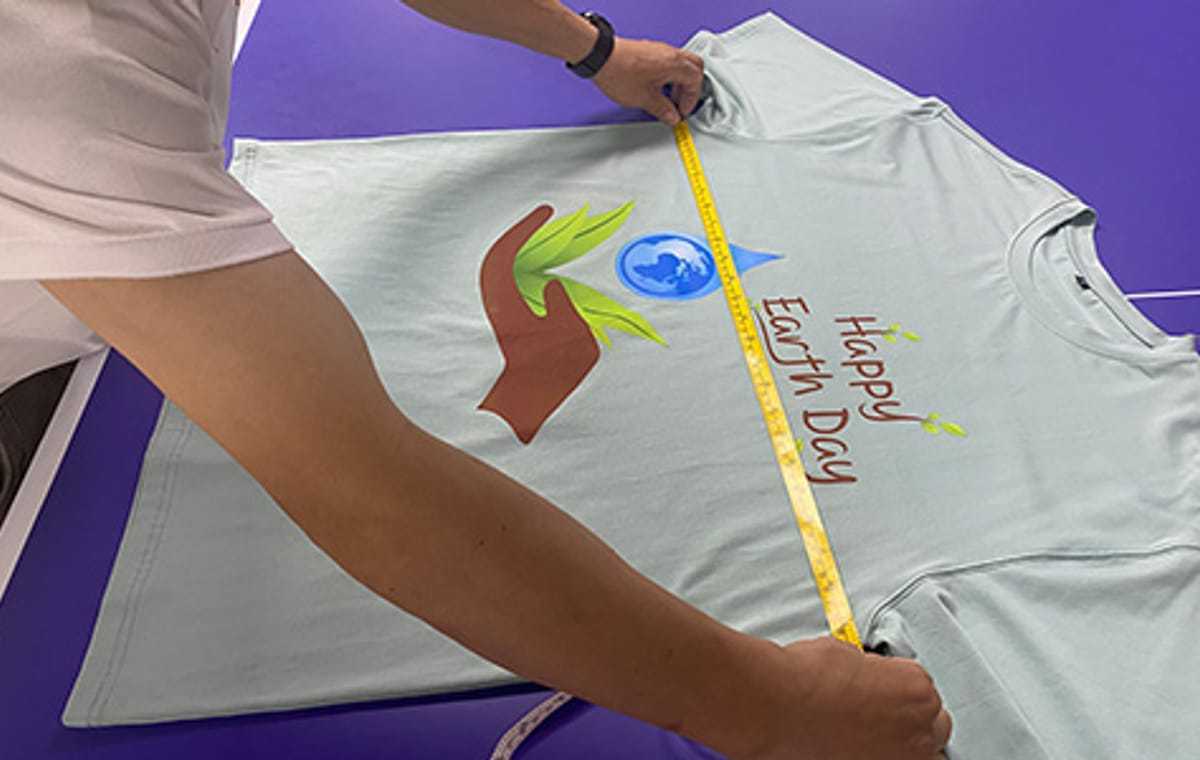
Start with one base size and define every point of measure using the same method the factory will use. Each code should match a diagram showing tape position and whether the garment is measured relaxed, extended or under a specified tension.
- 01
Name each measurement precisely
Use terms such as half waist relaxed, front rise including waistband, inseam from crotch seam and leg opening measured flat. Avoid labels such as “length” without a start and end point.
- 02
Set the base-size target
Use a proven block, fit model measurements or a carefully measured reference garment. Record the unit of measurement and do not mix centimeters and inches within one chart.
- 03
Add realistic tolerances
Tolerance is the permitted manufacturing deviation, not an alternative target. Critical fit and symmetry points may need tighter control than noncritical lengths.
- 04
Define grading separately
State how each point changes between sizes. Do not assume one uniform increment will preserve support, coverage and proportion across the entire size range.
Activewear-Specific Details That Are Often Missed
Fabric performance
- Fiber composition and fabric weight
- Two-way or four-way stretch and direction
- Recovery, opacity and compression target
- Shrinkage, pilling and colorfastness criteria
Comfort and movement
- Flatlock, overlock or coverstitch locations
- Chafe-sensitive seam placement
- Waistband elastic and support construction
- Movement and squat-test expectations
Branding and function
- Heat-transfer or print dimensions
- Pocket opening and usable depth
- Reflective elements and visibility position
- Removable cups, drawcords and hardware
Compliance and care
- Fiber-content and care-label wording
- Country-of-origin requirements
- Restricted-substance expectations
- Target-market testing responsibility
Tech Pack Mistakes That Create Extra Sample Rounds
Using inspiration images as specifications
Reference photos can explain direction, but they do not establish ownership, measurements or exact construction. Convert visible ideas into original drawings and written callouts.
Leaving fabric descriptions vague
“Soft stretch fabric” is not enough for costing or performance. Add composition, weight, stretch, finish, color and test requirements, while noting where approved equivalents are acceptable.
Conflicting pages
A measurement chart, drawing and comment sheet can drift apart after revisions. Update the controlled master file and flag every changed field.
No version history
Without a revision number, date and change log, the factory may sample or cut from an obsolete file. Retire superseded versions clearly.
Activewear Tech Pack FAQs
Can a manufacturer create the tech pack?
Many manufacturers can help develop measurements and construction details, especially through ODM services. The brand should still review and approve the final controlled specification, commercial rights and every revision.
Do I need a separate tech pack for every color?
Not always. One style file can contain a colorway page showing each approved body, trim, thread and artwork combination. Create separate files when construction, materials or measurements differ.
When is the tech pack final?
It becomes the bulk reference only after sample comments are closed and final materials, measurements, artwork and packaging are approved. It should still be updated when an authorized production change occurs.
What file format should I send?
A locked PDF is useful for consistent viewing, while editable source files help controlled collaboration. Supply vector artwork separately and use clear filenames with style and revision numbers.
Turn Design Intent into a Controlled Standard
A strong tech pack does not need decorative complexity; it needs clarity, consistency and traceability. Define the garment visually, make fit measurable, specify performance and construction, and keep every approval under revision control. That gives the buyer and manufacturer one shared reference from quotation through bulk inspection.
For the next stage, review the activewear manufacturing guides and align the tech pack with the sampling and approval process.