Common Mistakes Brands Make When Choosing a Custom Activewear Manufacturer
- Share
- Issue Time
- Mar 4,2026
Summary
Discover the most common mistakes brands make when choosing a custom activewear manufacturer. Learn how to evaluate quality control, MOQ, pricing, and long-term scalability with insights from ohsure.
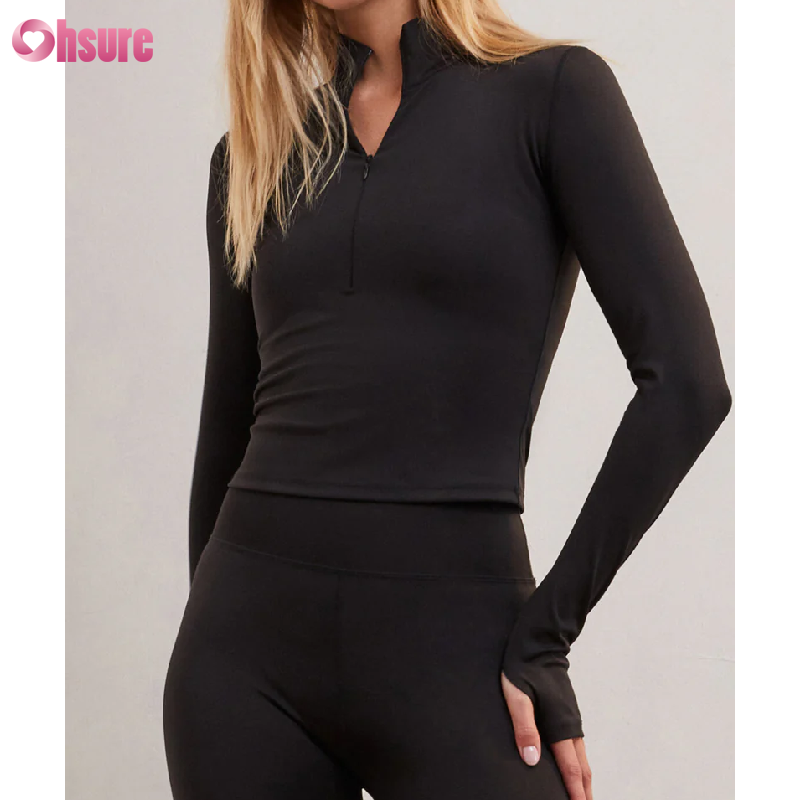
In today’s competitive activewear market, choosing the right manufacturing partner can determine whether your brand scales smoothly—or struggles with quality issues, delays, and customer complaints.
After years of hands-on production experience working with startups, Amazon sellers, gym brands, and established labels, we’ve seen the same mistakes happen repeatedly. At ohsure, we’ve helped brands recover from failed production runs, inconsistent samples, and poor communication with inexperienced suppliers.
Why Do Many Brands Focus Only on Price Instead of Long-Term Value?
One of the biggest mistakes emerging brands make is selecting a factory based purely on the lowest quote.
The Hidden Costs Behind Low Quotes
A cheap unit price often hides expensive long-term consequences:
• Low-grade fabric substitutions
• Weak elastic recovery in leggings
• Uneven flatlock stitching
• High defect rates in bulk production
• Reproduction costs due to quality complaints
Cheap MOQ vs. Real Production Capability
Some suppliers attract brands with extremely low MOQs. However, many of these suppliers:
Outsource bulk production
• Lack in-house technical teams
• Cannot maintain consistent quality in scale production
How ohsure Evaluates True Manufacturing Value
At ohsure, we emphasize transparent cost breakdowns, including:
• Fabric composition and GSM
• Trim and elastic specifications
• Printing or heat-transfer durability
• Quality control stages
What Happens When Brands Ignore Technical Manufacturing Capabilities?
Activewear is not standard fashion apparel. It requires technical expertise.
Activewear Is Performance-Based Apparel
Unlike casual garments, activewear must meet functional standards:
• Moisture-wicking capability
• Four-way stretch
• Compression support
• Anti-pilling treatment
• Shape retention after washing
The Risk of Working with Non-Specialized Factories
We’ve seen brands face:
• Fabric shrinkage after first wash
• Cracked logos after heat pressing
• Seams popping during workouts
• Color fading after sweat exposure
Technical Strength Matters
A professional manufacturer should provide:
• Pre-production fabric testing
• Sample fit adjustments
• Stretch and recovery testing
• Performance-based stitching techniques (such as flatlock or bonded seams)
Why Is Poor Communication One of the Biggest Manufacturing Risks?
Even with strong production capabilities, poor communication can ruin a project.
Misunderstanding Tech Packs
Incomplete or unclear tech packs lead to:
• Incorrect measurements
• Wrong fabric weight (GSM)
• Improper grading between sizes
• Logo placement errors
Time Zone & Language Barriers
Many brands underestimate the cost of delayed replies and misinterpretations. Each correction adds time and sampling cost.
Structured Project Management
Professional factories use:
• Dedicated project managers
• Clear sampling timelines
• Production milestone tracking
• Bulk pre-production confirmation samples
Are You Carefully Evaluating the Quality Control System?
Quality control should never be an afterthought.
A reliable activewear manufacturer should have a structured QC system.
Three Essential QC Stages
1. Pre-Production Inspection – Fabric, trims, color confirmation
2. In-Line Inspection – Monitoring stitching, measurements, workmanship during sewing
3. Final Random Inspection – Defect rate check before shipment
Sample vs. Bulk Inconsistency
Some brands receive a perfect sample—but bulk production does not match.
This often happens when:
• The sample is handmade by senior staff
• Bulk production is outsourced
• Fabric lots are switched without notice
Professional Manufacturer vs. Inexperienced Supplier | ||
Criteria | Professional Activewear Manufacturer (e.g., ohsure) | Inexperienced Supplier |
| Fabric Testing | Stretch, shrinkage & colorfastness tested | Rarely tested |
Sampling Process | Structured revisions & fit correction | Single basic sample |
| MOQ Flexibility | Balanced with stable production | Very low but unstable |
| Communication | Dedicated manager | Sales-only contact |
| Quality Control | 3-stage QC system | Random checking |
Why Do Brands Fail to Evaluate Scalability and Long-Term Partnership Potential?
Choosing a manufacturer is not just about your first order—it’s about your growth.
Can the Factory Scale with You?
Ask critical questions:
• What is monthly production capacity?
• Can lead times remain stable as volume grows?
• Is there fabric sourcing support for repeat orders?
OEM vs. ODM Support
Some brands need full customization (OEM). Others need design development support (ODM).
Understanding your growth plan helps you choose the right partner structure.
Strategic Manufacturing Partnership
The most successful activewear brands treat their factory as a long-term partner—not just a supplier.
Final Thoughts
Choosing a custom activewear manufacturer is one of the most critical decisions for your brand.
The most common mistakes include:
• Prioritizing low price over long-term value
• Ignoring technical activewear expertise
• Overlooking communication systems
• Failing to assess quality control structure
• Not evaluating scalability potential
Activewear manufacturing requires performance knowledge, structured processes, and transparent communication.
Before placing your next order, evaluate your manufacturer not just as a supplier—but as a strategic production partner.
If you’re looking for a professional, structured, and performance-focused custom activewear manufacturer, ohsure is ready to support your brand’s long-term growth with reliable OEM & ODM services.