Custom Activewear Manufacturer vs Private Label: Which Is Better for Your Business?
- Share
- Issue Time
- Jan 30,2026
Summary
Compare custom activewear manufacturers and private label production to find the best option for your sportswear brand. Learn costs, MOQ, customization, and growth strategies.
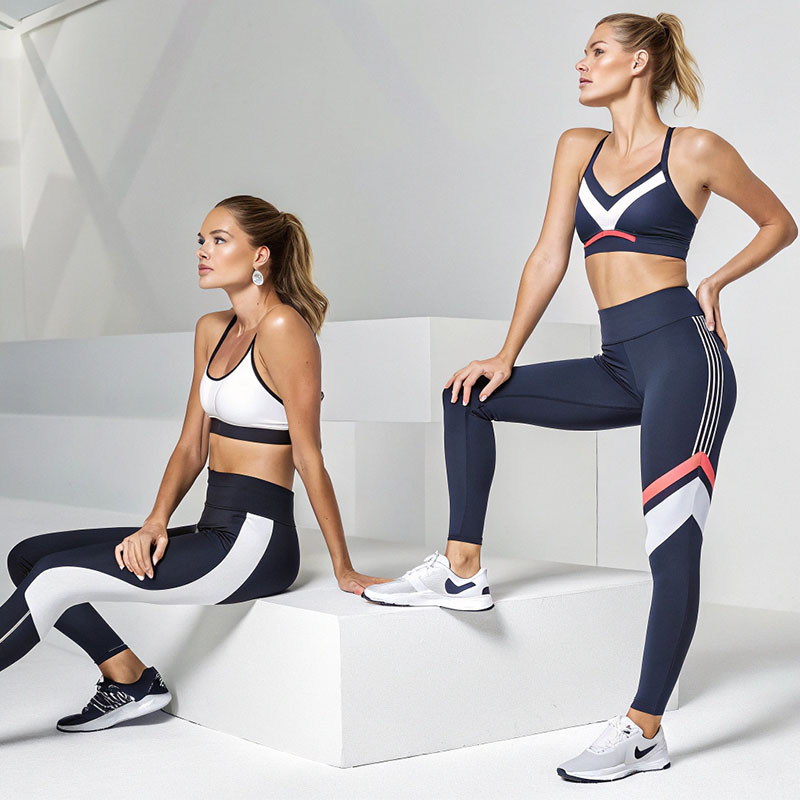
The global activewear market continues to grow rapidly as fitness culture, athleisure trends, and e-commerce expansion drive demand. For brands looking to enter or scale in this industry, choosing between a custom activewear manufacturer and private label activewear is a critical decision.
This guide will help you understand the key differences and determine which option is best for your sportswear brand.
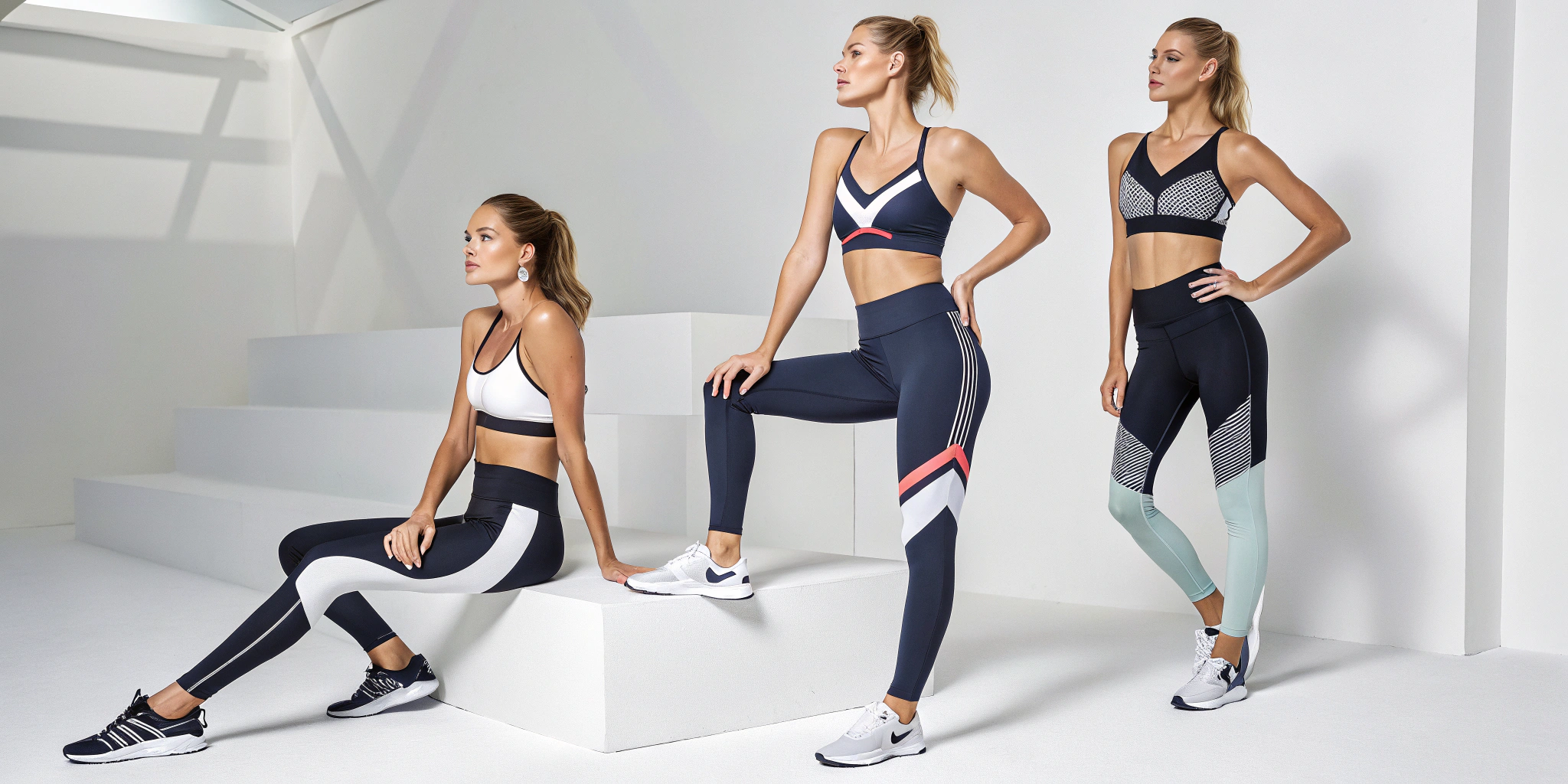
What Is a Custom Activewear Manufacturer and How Does It Work?
Definition of Custom Activewear Manufacturing
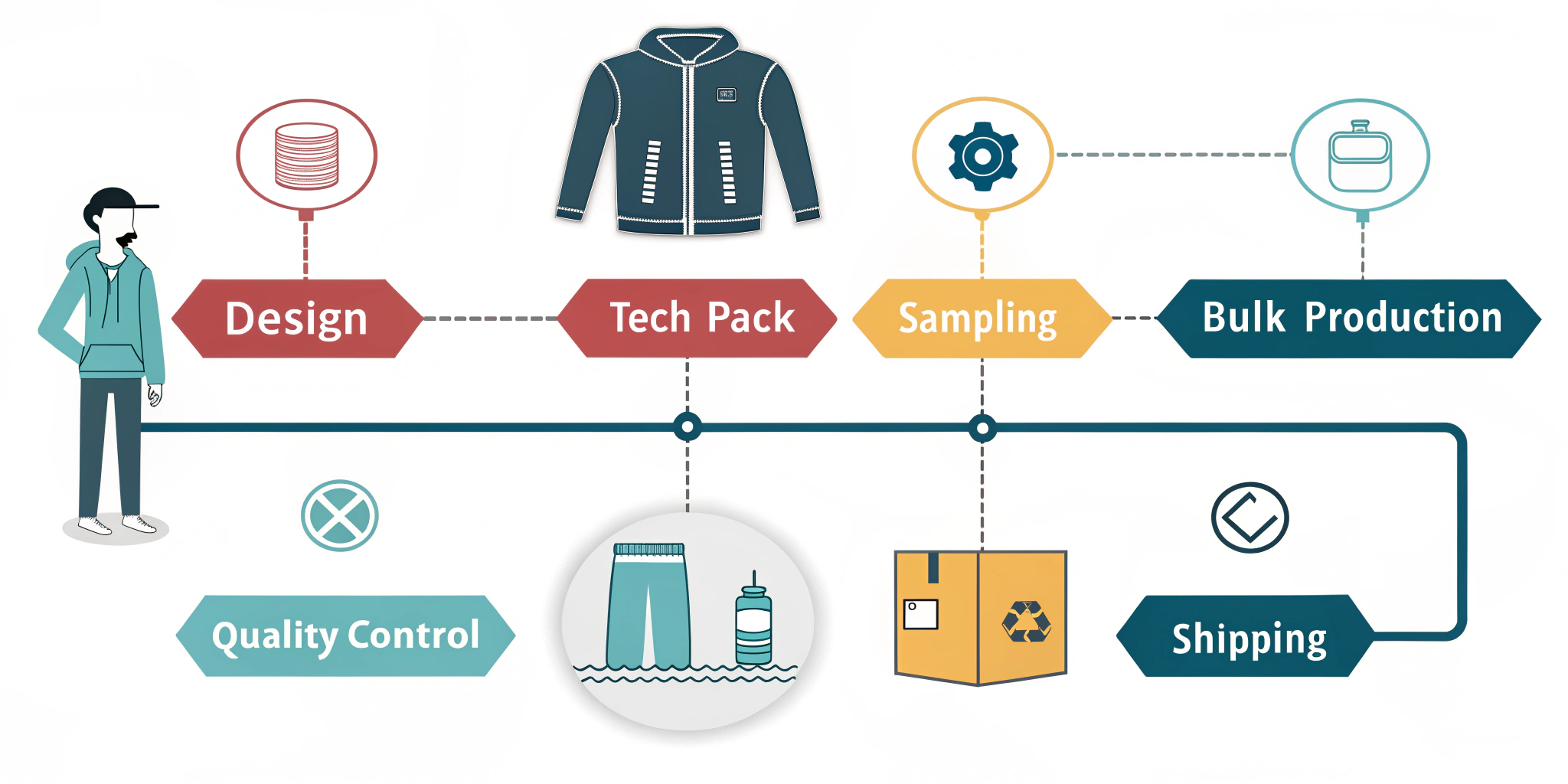
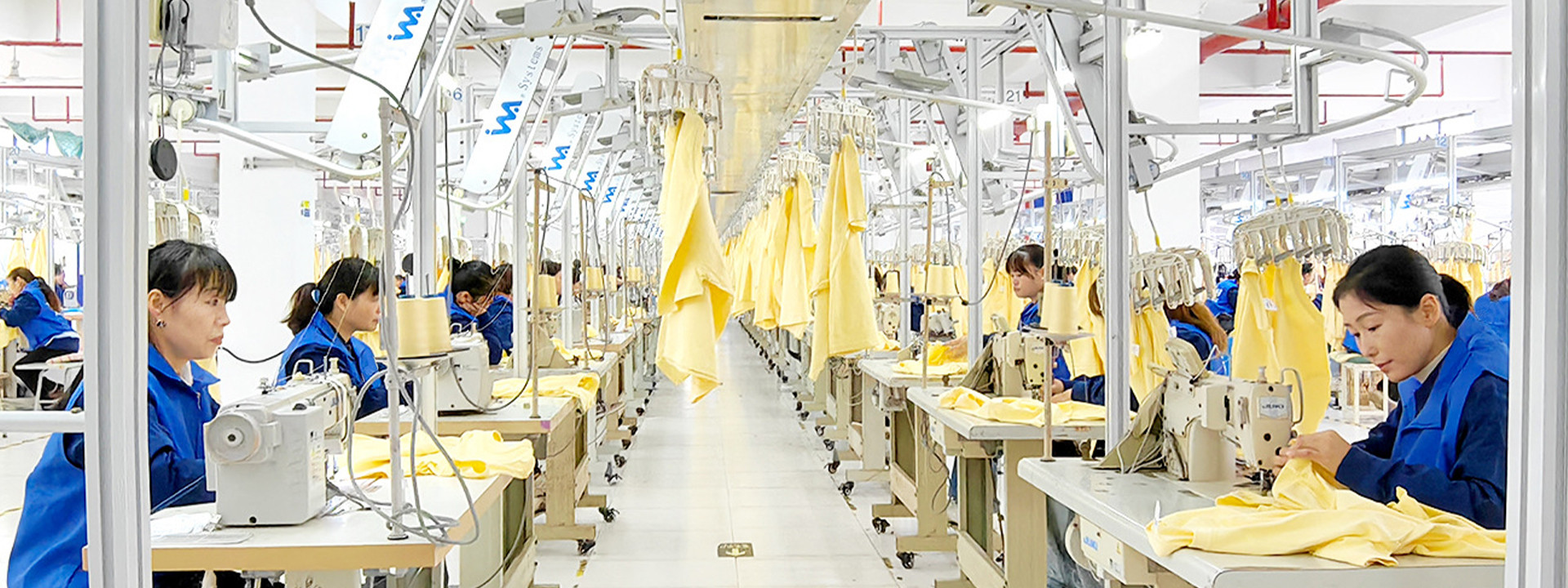
A custom activewear manufacturer offers OEM (Original Equipment Manufacturing) and ODM (Original Design Manufacturing) services, allowing brands to create unique garments based on their own designs or factory-developed concepts.
Custom manufacturing gives brands full control over fabrics, fit, features, and branding.
OEM vs ODM Explained for Activewear Brands
OEM (Original Equipment Manufacturing):
Brands provide tech packs, measurements, and design specifications. The factory produces according to these requirements.
ODM (Original Design Manufacturing):
The manufacturer provides design templates that brands can customize and brand.
ohsurewear Advantage:
ohsurewear provides both OEM and ODM services, helping brands develop custom sportswear from concept to bulk production.
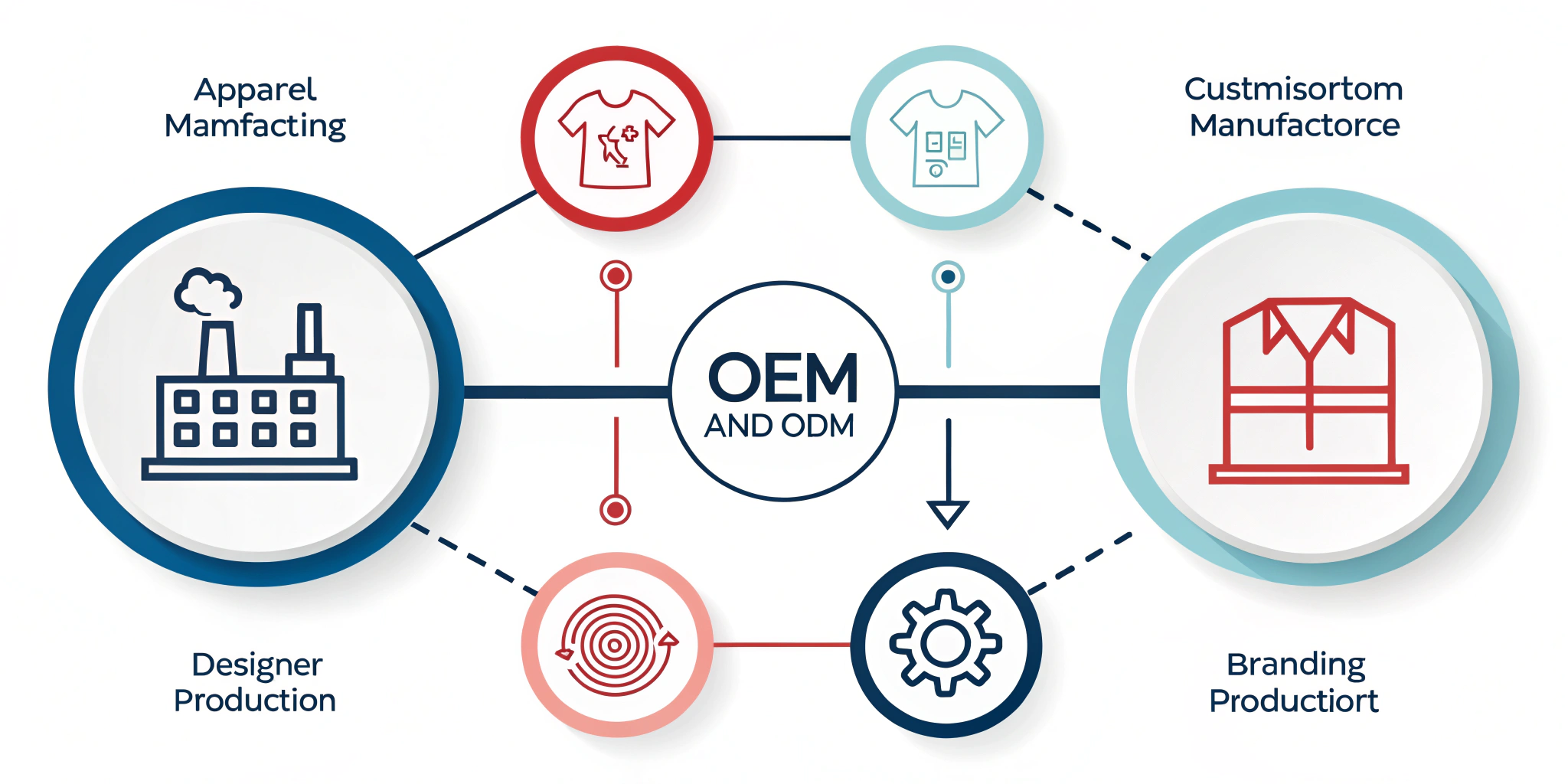
Typical Workflow: From Design Concept to Bulk Production
1. Design and tech pack development
2. Fabric selection and testing
3. Sampling and fit revisions
4. Bulk production
5. Quality inspection
6. Packaging and shipping
This workflow ensures consistent quality and brand identity.
Who Should Choose a Custom Activewear Manufacturer?
Custom manufacturing is ideal for:
• Growing D2C activewear brands
• Premium sportswear brands
• Wholesale buyers and global distributors
• Brands focused on innovation and differentiation
What Is Private Label Activewear and How Is It Different?
Definition of Private Label Sportswear
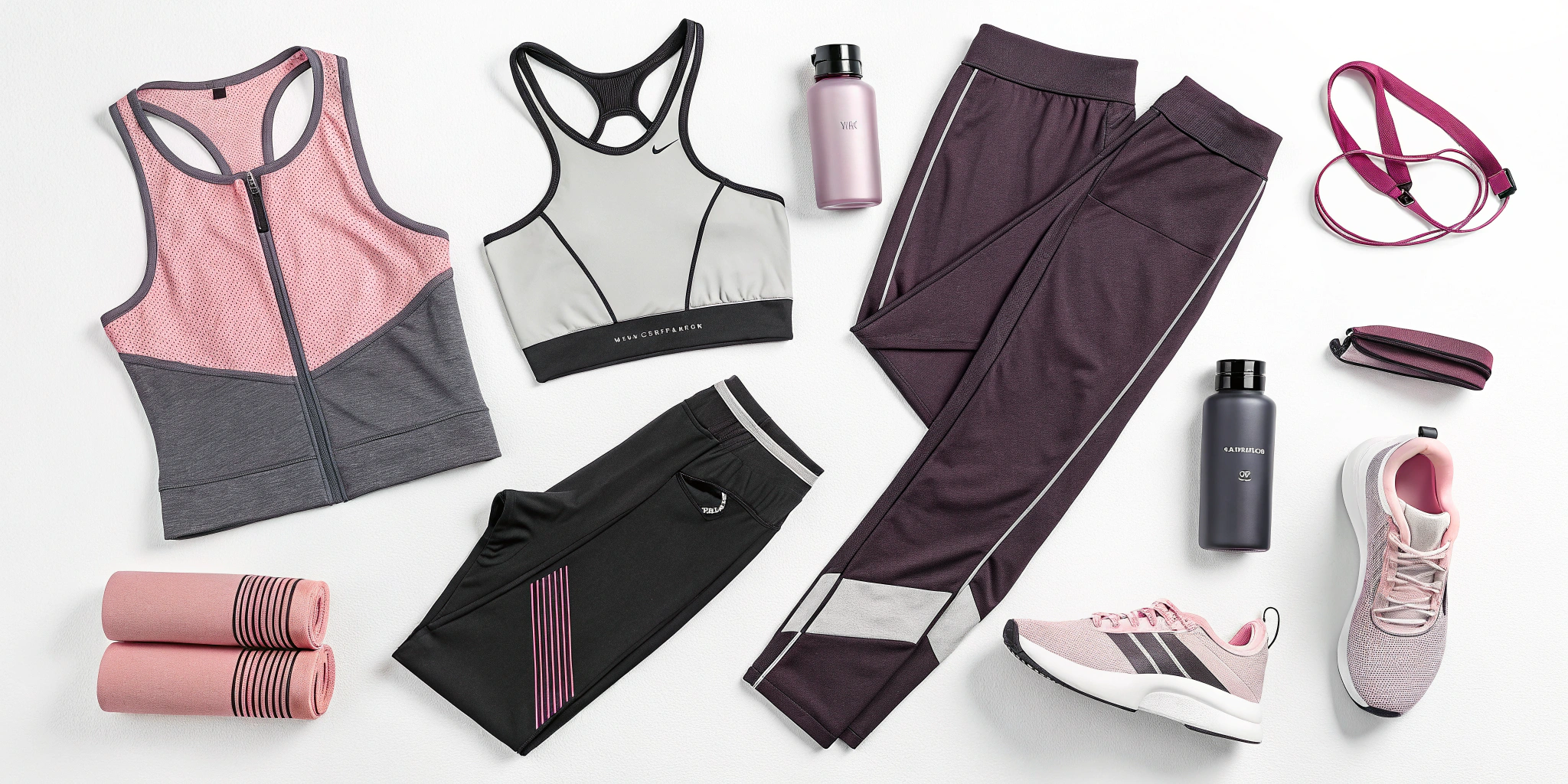
Private label activewear refers to pre-made garments produced by suppliers that brands can re-label with their own logo and packaging.
Sample Content
How Private Label Production Works
1. Choose existing product styles
2. Add brand logo and labels
3. Place a small order
4. Sell under your brand name
This model is popular for startups due to low entry barriers.
Pros and Cons of Private Label for New Brands
Pros
• Low MOQ
• Fast time to market
• Minimal design investment
• Easy to test product demand
Cons
• Limited customization
• Difficult to differentiate
• Higher per-unit costs
• Similar products sold by competitors
Typical MOQ, Pricing, and Lead Times
Private label suppliers usually offer:
• MOQ: 100 pieces
• Lead time: 7–20 days
• Higher unit cost due to low volume
Custom Activewear vs Private Label: Key Differences for Brands
Product Customization & Design Flexibility
Custom manufacturing allows full customization of:
• Fabric blends
• Fit and size grading
• Stitching and construction
• Performance features (compression, moisture-wicking, seamless, etc.)
Private label offers limited design options.
Branding Opportunities and Market Differentiation
Custom manufacturing helps brands build:
• Unique silhouettes
• Exclusive fabrics
• Signature design elements
• Strong brand identity
Private label brands often struggle to stand out.
Cost Structure and Profit Margins
Custom manufacturing requires higher initial investment but offers lower unit costs at scale. Private label is cheaper to start but more expensive per unit.
Supply Chain Control and Scalability
Custom manufacturers provide full supply chain control and scalable production. Private label suppliers offer limited flexibility.
Custom vs Private Label Comparison | ||
Factor | Custom Activewear Manufacturer | Private Label Activewear |
Design Control | Full customization | Limited styles |
MOQ | Medium to High | Low |
Branding | Fully unique | Semi-custom |
| Cost per Unit | Lower at scale | Higher |
| Time to Market | Longer | Faster |
| Scalability | High | Medium |
Which Option Is Better for Your Business Model and Growth Stage?
Best Choice for Startups and Small Brands
Private label is best for startups because it reduces risk and speeds up product launch.
Best Choice for Growing D2C Brands
Growing brands often use a hybrid model—starting with private label and transitioning to custom manufacturing as sales grow.
Best Choice for Wholesale & Global Brands
Established brands benefit most from custom manufacturing due to scalability and unique product development.
ROI and Long-Term Brand Strategy Considerations
Custom manufacturing builds brand equity and long-term profitability, while private label is ideal for short-term testing.
Recommended Model by Business Stage | ||
Business Stage | Recommended Model | Reason |
Startup Brand | Private Label | Low MOQ & fast launch |
| Growing E-commerce Brand | Hybrid Model | Market testing + customization |
Established Brand | Custom Manufacturing | Brand differentiation |
| Wholesale Brand | Custom Manufacturing | Better margins |
How to Choose Between Custom Manufacturing and Private Label Suppliers?
Key Factors: MOQ, Budget, and Target Market
Consider:
• Startup budget
• Target customers
• Sales channels
• Branding strategy
Quality Control and Sampling Process
Always request samples to test:
• Fabric performance
• Stitching quality
• Fit and durability
• Colorfastness and shrinkage
Communication, Tech Packs, and Production Capability
A professional manufacturer should provide:
• Technical support
• Pattern making
• Sampling services
• Dedicated account management
ohsurewear Advantage:
ohsurewear offers professional tech pack support, fast sampling, and dedicated project managers.
Red Flags When Choosing a Manufacturer or Supplier
• No clear MOQ or pricing
• Poor communication
• No sampling
• Weak quality control
• No OEM/ODM capability
Why Choose ohsurewear as Your Custom Activewear Manufacturer
OEM & ODM Services
We support both OEM and ODM, helping brands develop unique designs or customize existing concepts.
Low MOQ
Flexible MOQ options help startups reduce inventory risk and test new designs.
Fast Delivery
Efficient production systems ensure fast sampling and bulk delivery.
Competitive Pricing
Factory-direct pricing improves profit margins compared to private label suppliers.
Full Customization Capabilities
We offer complete customization including fabrics, labels, packaging, and branding.
Final Thoughts: Custom Activewear Manufacturer or Private Label?
Private label is ideal for fast market entry and testing demand, while custom manufacturing is the best long-term strategy for building a strong activewear brand.
If you want unique designs, scalable production, and higher profit margins, working with a custom activewear manufacturer like ohsurewear is the smarter choice.