From Idea to Production: How a Custom Activewear Manufacturer Works
- Share
- Issue Time
- Jan 30,2026
Summary
Discover how a custom activewear manufacturer turns your idea into high-quality sportswear. From concept, design, sampling, materials, to bulk production and branding, learn the complete workflow to launch your activewear brand successfully.
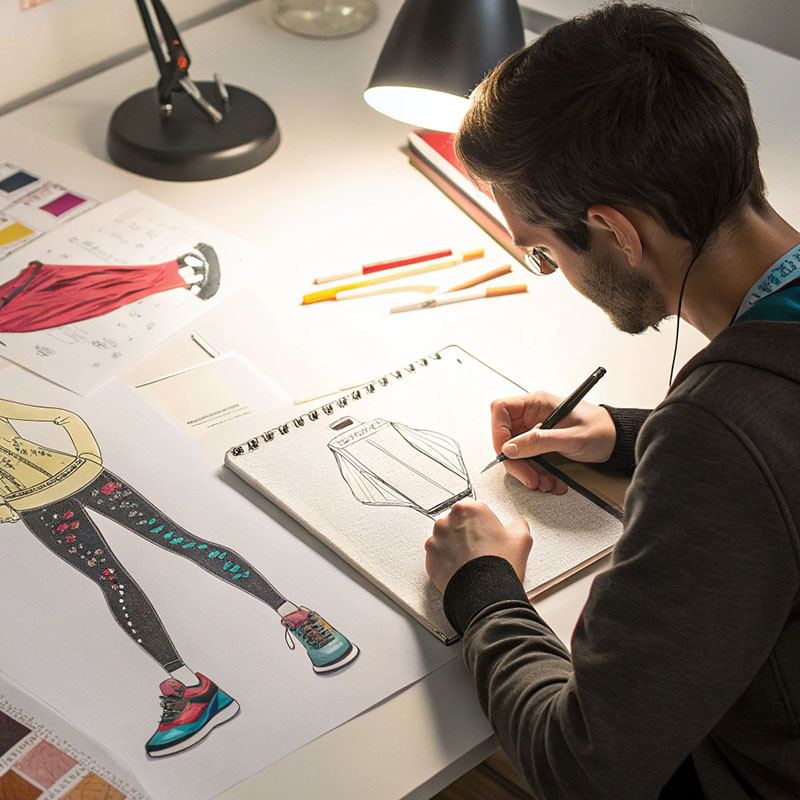
In today’s highly competitive activewear market, building a successful brand is no longer just about having a great logo or a stylish design. It’s about creating high-quality, performance-driven products through a structured and professional manufacturing process. This is where a custom activewear manufacturer plays a critical role.
From the first product idea to bulk production and global delivery, professional manufacturers provide a complete system that transforms concepts into market-ready garments. Understanding how this process works helps brands reduce risks, control costs, ensure quality, and scale sustainably.
This guide explains, step by step, how a custom activewear manufacturer works — from idea to production.
What Does “From Idea to Production” Mean in Custom Activewear Manufacturing?
The phrase “from idea to production” represents the full product development lifecycle in custom activewear manufacturing. It is not a single step, but a structured system that connects creativity, engineering, production, and logistics into one integrated workflow.
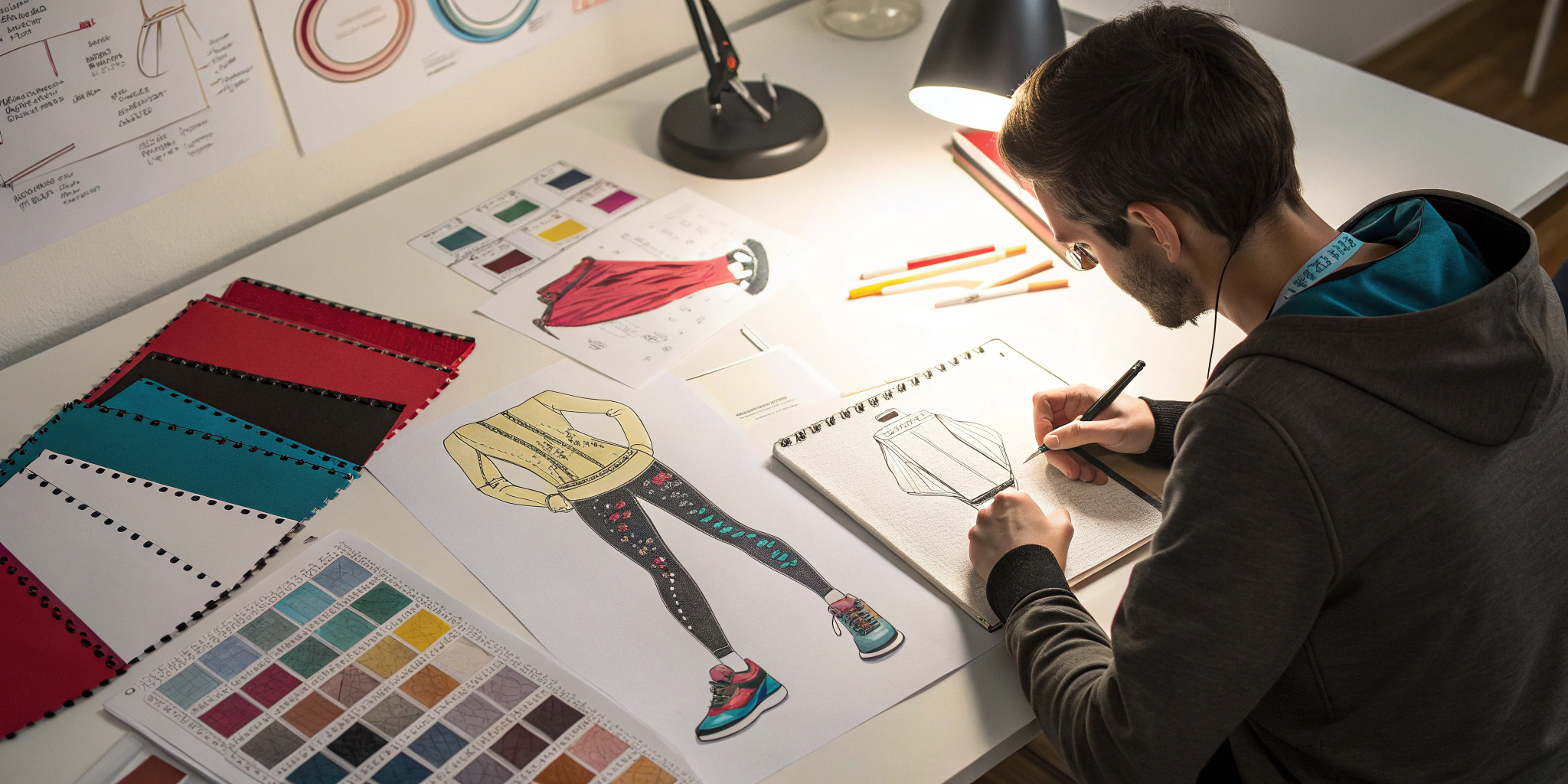
Concept Development and Brand Vision
Every successful activewear product starts with a clear concept. This includes defining your:
• Brand identity and positioning
• Target audience (gym wear, yoga, athleisure, performance sports, lifestyle)
• Price positioning (mass market, premium, luxury)
• Product category (leggings, sports bras, sets, shorts, compression wear, training apparel)
A professional custom manufacturer helps evaluate feasibility, production complexity, and cost structure at this stage, ensuring your idea can realistically be produced at scale.
Design Brief and Technical Requirements
After defining the concept, the next step is building a structured design brief, which includes:
• Product style references
• Functional requirements (compression, stretch, breathability)
• Fit requirements
• Performance expectations
This stage transforms creative ideas into production-ready logic.
Role of Tech Packs in Custom Manufacturing
A tech pack is the technical blueprint of a garment. It includes:
• Measurements and size grading
• Fabric types and composition
• Stitching methods
• Construction details
• Label placement
• Color codes
• Printing and logo positions
In custom activewear manufacturing, the tech pack becomes the communication bridge between the brand and the factory, ensuring accuracy, consistency, and scalable production.
How Does the Design & Sampling Process Work with a Custom Activewear Manufacturer?
Design and sampling are the foundation of quality production. This stage ensures your product performs well, fits correctly, and meets market expectations.
Design Translation from Concept to Prototype
Manufacturers convert design concepts into physical structures through:
• Pattern making
• Digital pattern grading
• 3D garment simulation (in advanced factories)
• Prototype development
This step ensures that your design is not only visually appealing but also manufacturable and scalable.
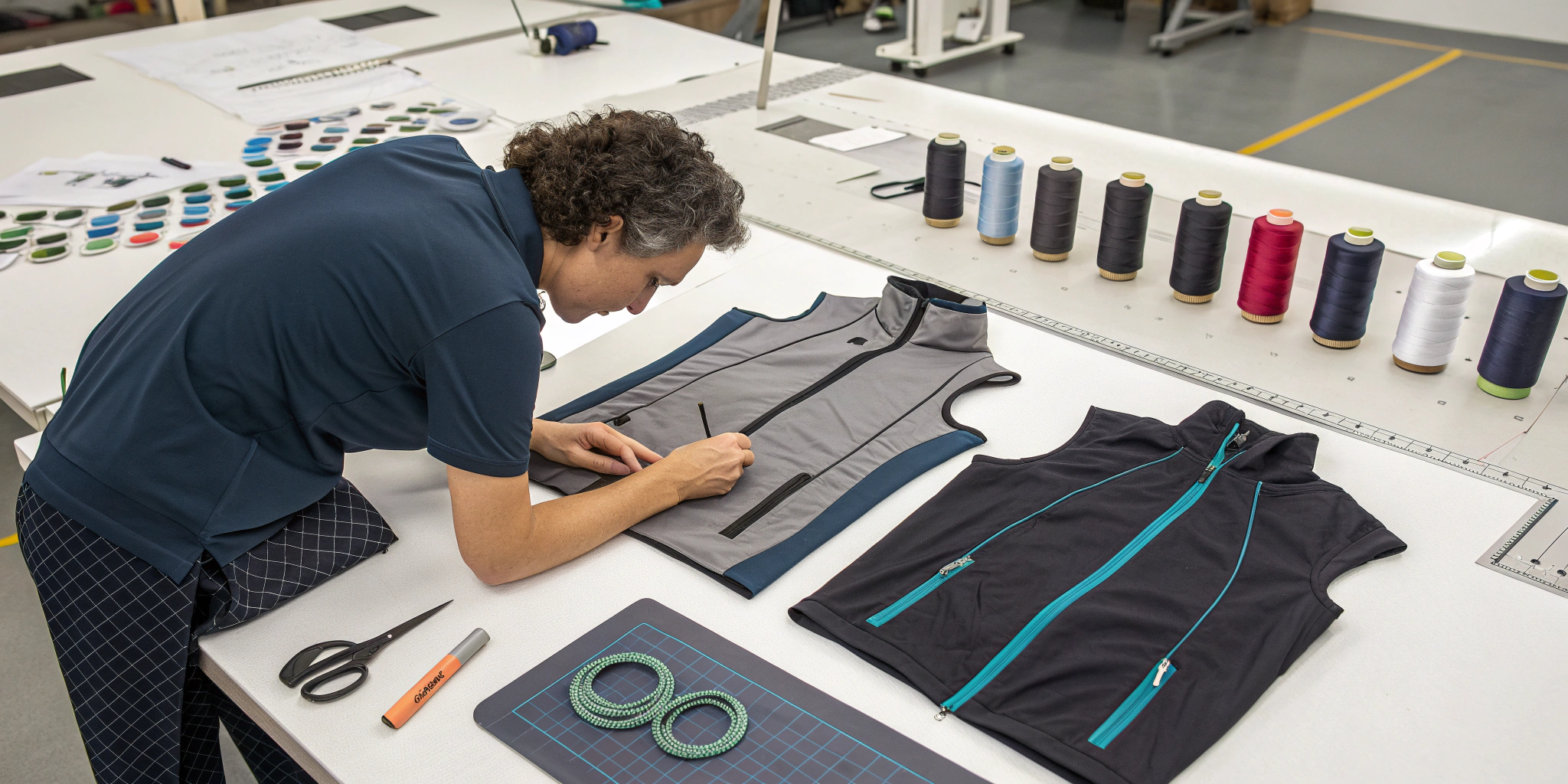
Sample Development Stages
Professional factories follow structured sampling stages:
1. First Sample (Prototype Sample) – Visual structure and basic construction
2. Fit Sample – Adjustments to sizing, comfort, and ergonomics
3. Pre-Production Sample (PP Sample) – Final version for bulk confirmation
Each stage improves precision, performance, and production accuracy.
Sample Revision and Approval Process
Sampling is an iterative process. Brands provide feedback on:
• Fit
• Fabric feel
• Stitch quality
• Stretch performance
• Durability
Manufacturers revise samples until final approval is achieved, minimizing bulk production risks.
What Materials and Fabric Options Are Available for Custom Activewear Production?
Fabric selection defines performance, comfort, durability, and brand positioning.
Performance Fabrics (Polyester, Nylon, Spandex Blends)
Most custom activewear uses performance blends such as:
• Polyester + Spandex
• Nylon + Spandex
• Polyamide blends
These fabrics offer:
• Moisture-wicking
• Four-way stretch
• Compression support
• Shape retention
• Breathability
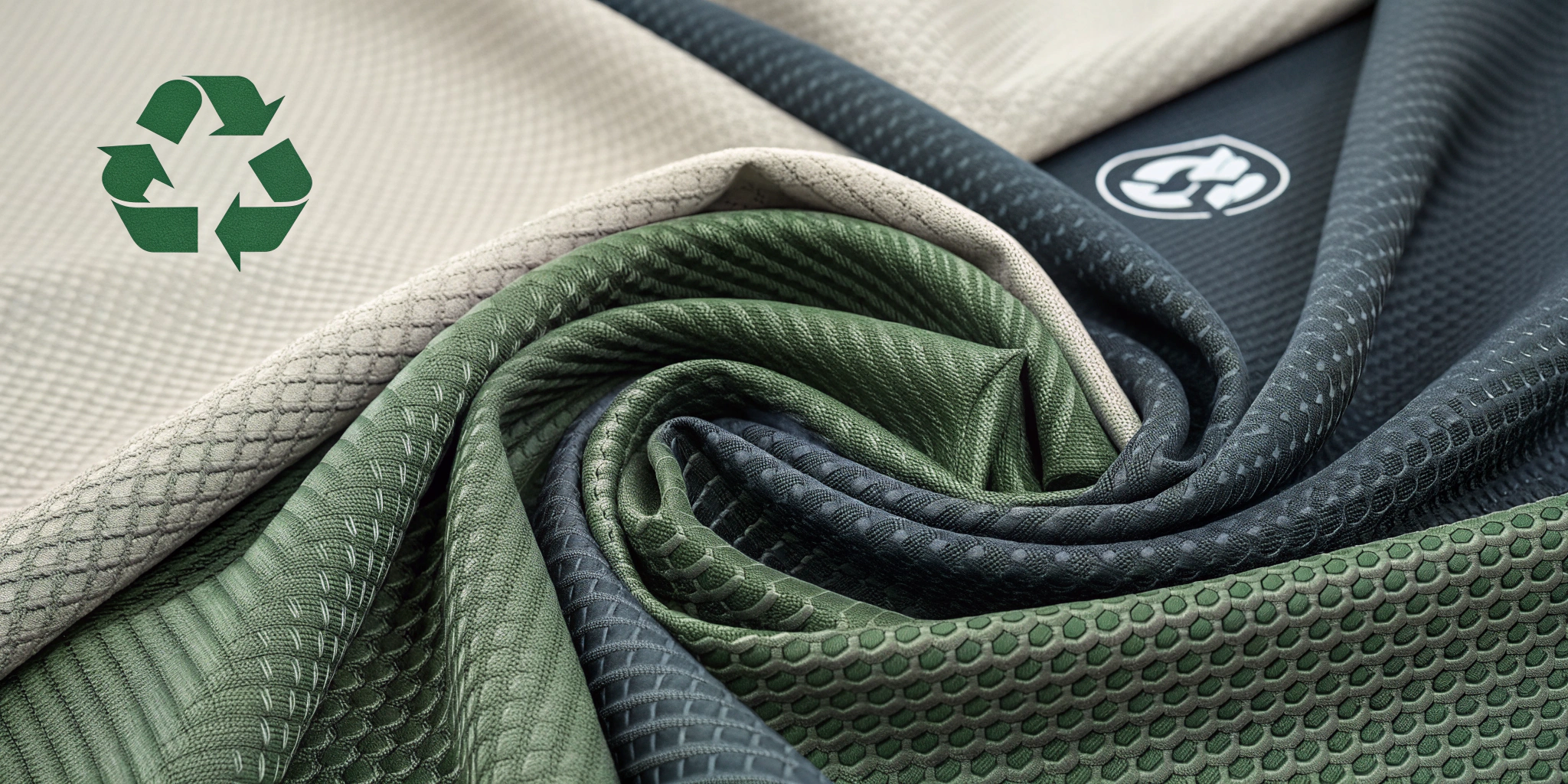
Sustainable and Eco-Friendly Fabric Choices
Modern manufacturers also offer sustainable options, including:
• Recycled polyester (RPET)
• Organic cotton blends
• Bamboo fibers
• Eco-nylon
• Biodegradable yarns
These materials support sustainable branding and eco-conscious positioning.
Fabric Testing and Quality Standards
Professional factories conduct fabric testing for:
• Colorfastness
• Shrinkage resistance n- Stretch recovery
• Pilling resistance
• Durability
This ensures long-term product quality and customer satisfaction.
How Does Bulk Production Work in a Custom Activewear Factory?
Bulk production is where planning, systems, and quality control become critical.
Production Planning and MOQ
Manufacturers create structured production schedules based on:
• Order quantity
• Complexity of design
• Fabric sourcing time
• Customization level
Many modern factories offer low MOQ solutions, enabling startups and emerging brands to enter the market with lower financial risk.
Cutting, Sewing, and Assembly Line Workflow
Production includes:
• Automated fabric cutting
• Sewing line assembly
• Seamless bonding technology
• Elastic and waistband integration
• Label and logo application
Each step follows standardized procedures for efficiency and consistency.
Quality Control During Mass Production
Quality control systems include:
• Inline inspection
• Mid-production checks
• Final inspection
• AQL quality standards
This ensures consistent quality across every production batch.
How Are Branding, Packaging, and Shipping Handled by Custom Manufacturers?
Custom activewear manufacturing goes beyond production — it includes full brand integration.
Private Label Branding Options
Manufacturers offer:
• Custom woven labels
• Printed labels
• Heat transfer logos
• Silicone logos
• Embroidery branding
This allows full brand customization and identity consistency.
Custom Packaging Solutions
Packaging options include:
• Custom polybags
• Branded boxes
• Sustainable packaging
• Retail-ready packaging
This enhances brand presentation and unboxing experience.
Logistics, Shipping, and Compliance
Factories manage:
• Export documentation
• Compliance certifications
• Quality certificates
• Global shipping coordination
This simplifies cross-border trade and international distribution.
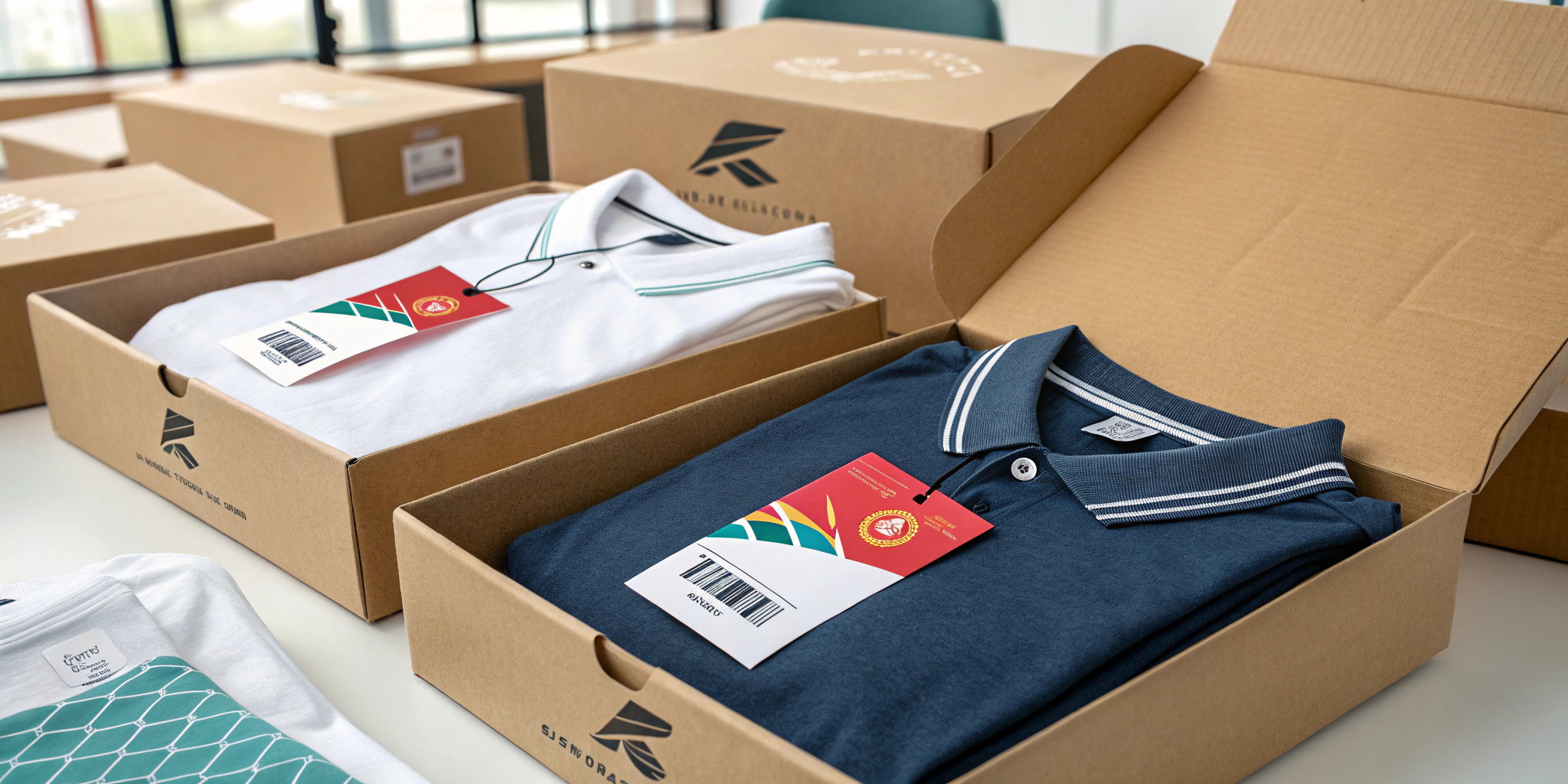
Custom Activewear Manufacturing Workflow Overview
Stage | Key Activities | Manufacturer’s Role | Brand’s Role |
Idea & Concept | Product planning, brand strategy | Feasibility analysis | Define brand vision |
Design & Tech Pack | Pattern making, technical design | Prototype development | Approve specifications |
| Sampling | Sample production | Sample revisions | Feedback and approval |
| Bulk Production | Cutting, sewing, QC | Mass manufacturing | Order confirmation |
| Branding & Packaging | Labels, packaging | Brand customization | Brand assets supply |
| Shipping | Logistics & export | Shipment arrangement | Market distribution |
Conclusion: Why Working with a Custom Activewear Manufacturer Matters
A professional custom activewear manufacturer is not just a supplier — it is a strategic production partner.
By managing the full process from idea to production, manufacturers help brands:
• Reduce development risks
• Improve product quality
• Control production costs
• Accelerate time to market
• Scale efficiently
• Build long-term brand value
For startups, growing brands, and established labels, working with the right manufacturing partner creates a structured, scalable, and sustainable path to success in the global activewear market.
In a competitive industry, manufacturing excellence is not optional — it is your competitive advantage.