Gym Wear Sets Manufacturer Cost, MOQ and Lead Time Explained
- Share
- Issue Time
- Jun 15,2026
Summary
Learn gym wear sets manufacturer cost, MOQ and lead time. Understand fabric pricing, sample fees, bulk production timelines and how to plan your activewear order.
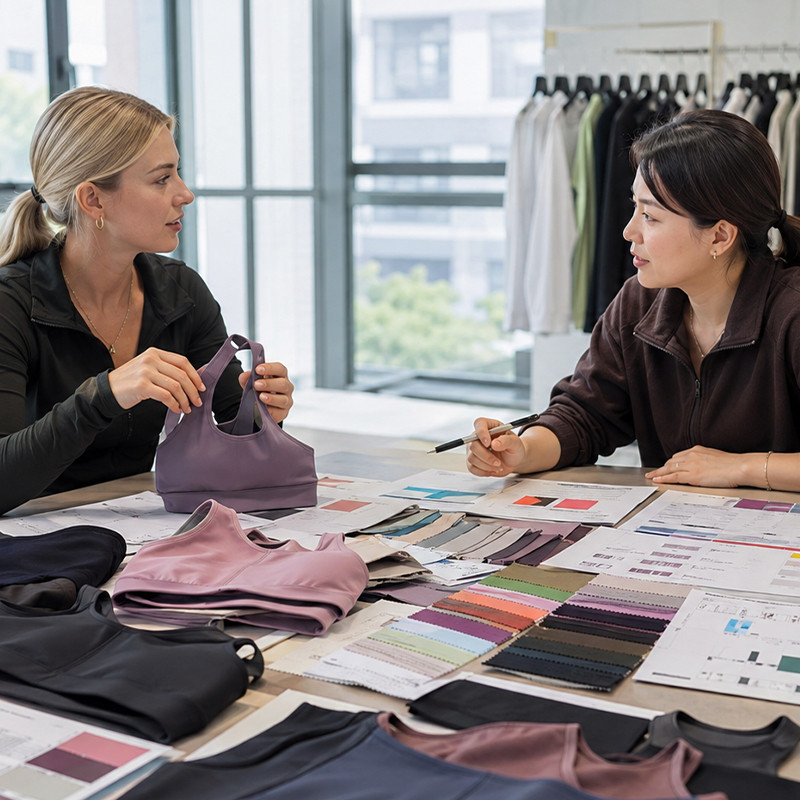
Manufacturing custom gym wear sets involves more than comparing unit prices. Fitness brands need to understand how costs are calculated, what minimum order quantities are required, and how production lead times affect inventory planning.
Whether you are launching a startup activewear brand or scaling an established fitness business, understanding cost, MOQ and lead time helps you choose the right manufacturing partner and avoid costly sourcing mistakes.
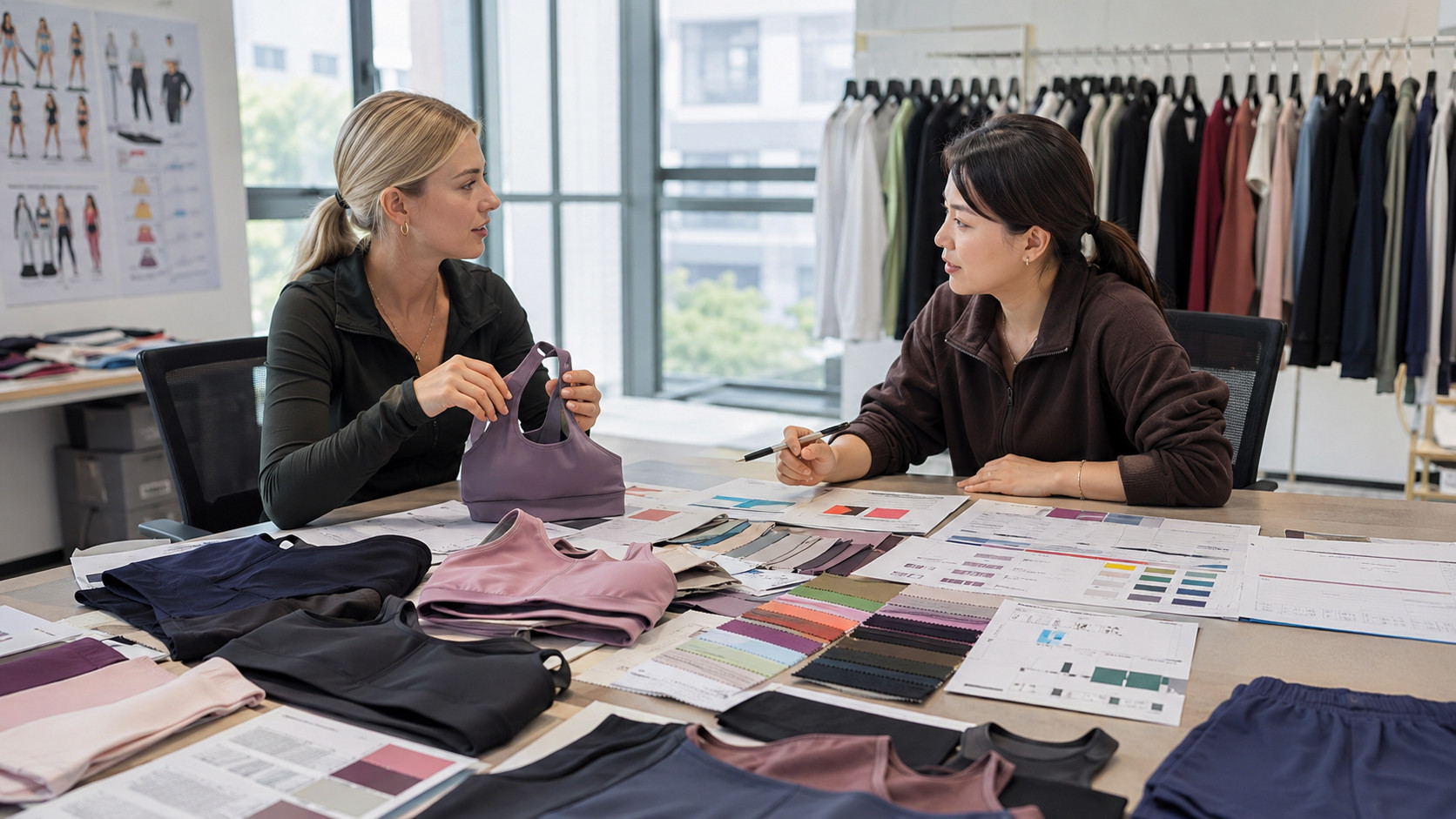
What Determines the Cost of Custom Gym Wear Sets?
The cost of gym wear sets depends on fabric, design complexity, branding requirements, order quantity and quality control standards. Two sports bra and leggings sets may look similar, but their production costs can be very different.
Fabric Selection Has the Biggest Impact on Pricing
Fabric usually accounts for a large part of the total garment cost. Performance fabrics with moisture-wicking, four-way stretch, compression or recycled content usually cost more than standard polyester blends.
For example, nylon-spandex fabrics commonly used in premium activewear are generally more expensive than polyester-spandex fabrics. Brands can review different material options through this activewear fabric guide before finalizing development.
According to Textile Exchange, demand for recycled and sustainable textile materials continues to influence sourcing decisions across the global apparel industry.
Design Complexity Increases Production Costs
Simple gym wear sets with basic stitching are easier and faster to produce. Costs increase when the design includes more construction details, special panels or additional production processes.
Nylon-spandex, recycled fabrics and compression materials usually increase unit price.
Scrunch seams, mesh panels, pockets, bonded seams and color blocking add labor cost.
Custom labels, hang tags, packaging and logo applications affect final pricing.
Custom Branding and Packaging Affect Unit Cost
Private label brands often require woven labels, heat transfer labels, hang tags, printed polybags and custom packaging. These elements improve brand presentation, but they also add to the final unit cost.
Brands preparing a new collection can review private label activewear solutions to understand how branding and packaging are usually developed.
How Much Does It Cost to Manufacture Gym Wear Sets?
Manufacturing prices vary by order quantity, fabric type, pattern complexity and customization level. The table below gives a general reference for activewear brands during early sourcing discussions.
| Product Type | Estimated Factory Cost | Best For |
|---|---|---|
| Basic Sports Bra + Leggings Set | $8 - $15 | Entry-level fitness brands |
| Mid-Range Performance Set | $12 - $22 | Growing activewear brands |
| Premium Nylon-Spandex Set | $18 - $35+ | Premium gym wear collections |
| Seamless Gym Wear Set | $15 - $30+ | Compression and seamless collections |
Important: These prices are general industry estimates. Final pricing depends on fabric choice, custom trims, logo method, order quantity and packaging requirements.
Why Sample Costs Are Higher Than Bulk Pricing
Sample development is usually more expensive than bulk production because the factory needs to create patterns, source fabric, cut small quantities, sew individually and inspect the sample before approval.
A professional custom activewear manufacturer can often guide brands through sample development before confirming bulk pricing.
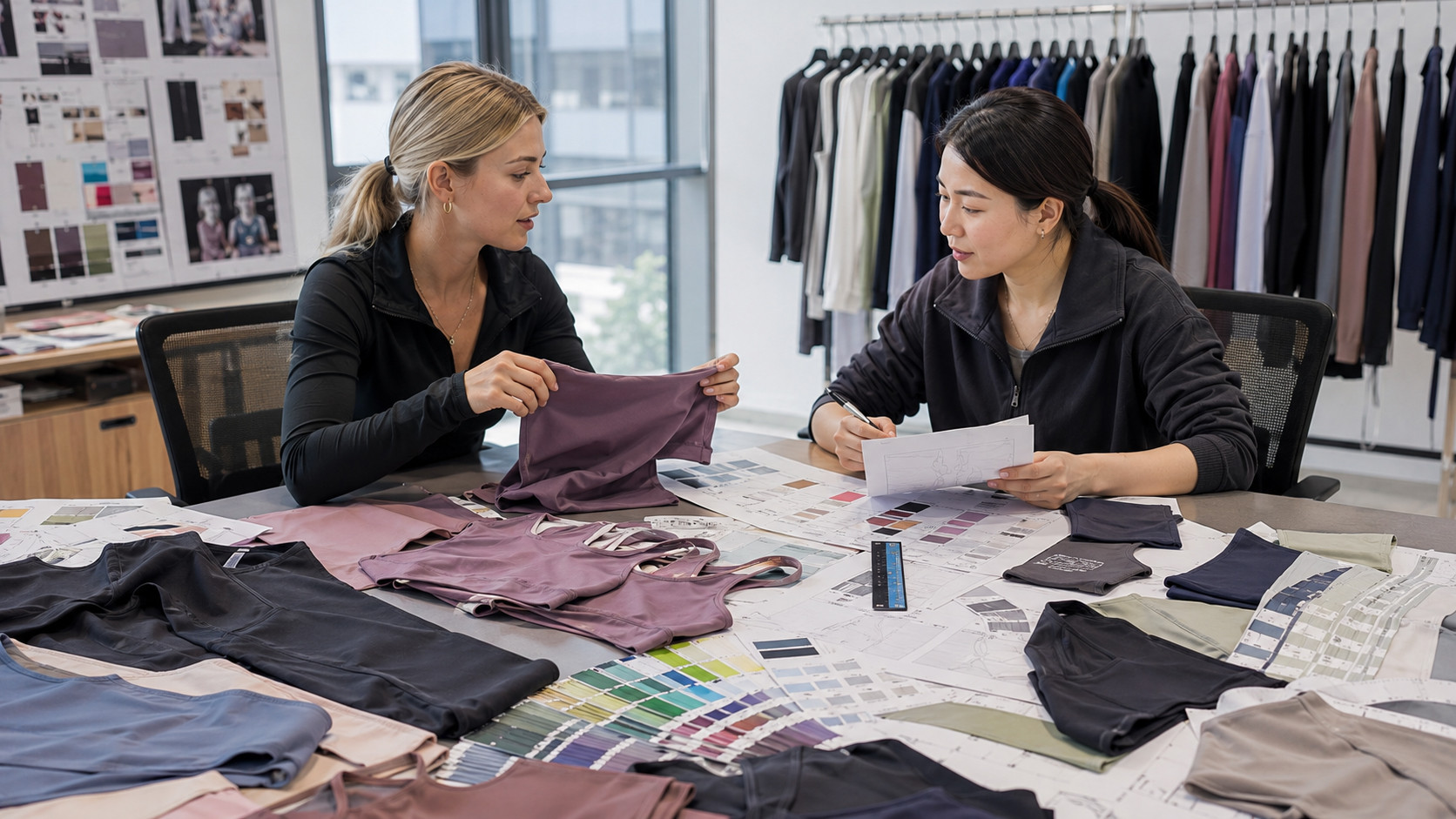
What Is the Typical MOQ for Gym Wear Sets Manufacturers?
MOQ means Minimum Order Quantity. Manufacturers use MOQ requirements to keep production efficient, reduce fabric waste and maintain stable production costs.
| Manufacturer Type | Typical MOQ | Suitable Buyer |
|---|---|---|
| Large Factory | 300 - 1000 pcs per style | Established brands and wholesalers |
| Medium Manufacturer | 100 - 300 pcs per style | Growing fitness brands |
| Startup-Friendly Factory | 50 - 100 pcs per style | New activewear brands |
| Sample Development | 1 - 5 pcs | Design confirmation and fit testing |
Why Manufacturers Set MOQ Requirements
MOQ helps factories purchase fabric efficiently, reduce material waste, optimize cutting layouts and control production costs. Low MOQ orders usually have higher unit prices because setup costs are spread across fewer garments.
How Startups Can Manage MOQ Challenges
New fitness brands can reduce inventory risk by launching fewer styles, using stock fabrics, limiting color options and testing demand before expanding the collection.
Many startups begin with leggings, sports bras and workout tops before expanding into custom tennis wear, men's sportswear or other activewear categories.
How Long Does Gym Wear Production Usually Take?
Lead time is one of the most important factors in activewear inventory planning. Many delays happen because brands only calculate sewing time and forget sample approval, fabric ordering, quality control and shipping.
Sample Development Timeline
| Stage | Estimated Time | Main Purpose |
|---|---|---|
| Tech Pack Review | 1 - 2 Days | Confirm measurements, design and construction details |
| Material Sourcing | 2 - 5 Days | Confirm fabric, color and trims |
| Pattern Development | 2 - 4 Days | Create fit and size structure |
| Sample Sewing | 2 - 4 Days | Produce the first physical sample |
| Quality Inspection | 1 Day | Check construction, measurement and finishing |
Total sample lead time is usually around 7 to 10 days. Brands without complete technical files can review the activewear manufacturing process before starting development.
Bulk Production Timeline
| Production Stage | Estimated Time | Key Focus |
|---|---|---|
| Fabric Ordering | 5 - 10 Days | Prepare approved bulk materials |
| Fabric Testing | 1 - 3 Days | Check shrinkage, color and performance |
| Cutting | 1 - 3 Days | Cut fabric according to approved patterns |
| Sewing | 10 - 20 Days | Complete garment assembly |
| QC Inspection | 2 - 5 Days | Inspect measurements, stitching and logo placement |
| Packing | 1 - 3 Days | Prepare labels, polybags and cartons |
Most gym wear set orders are completed within 25 to 35 days after final sample approval. This timeline may change during peak seasons or when custom fabrics are required.
Shipping Time Must Be Included
Many buyers only calculate factory production time. Shipping can add 3 to 7 days by express courier, 7 to 15 days by air freight or 25 to 45 days by sea freight.
For international sourcing and supply chain planning, the U.S. International Trade Administration provides useful guidance for global trade and logistics.
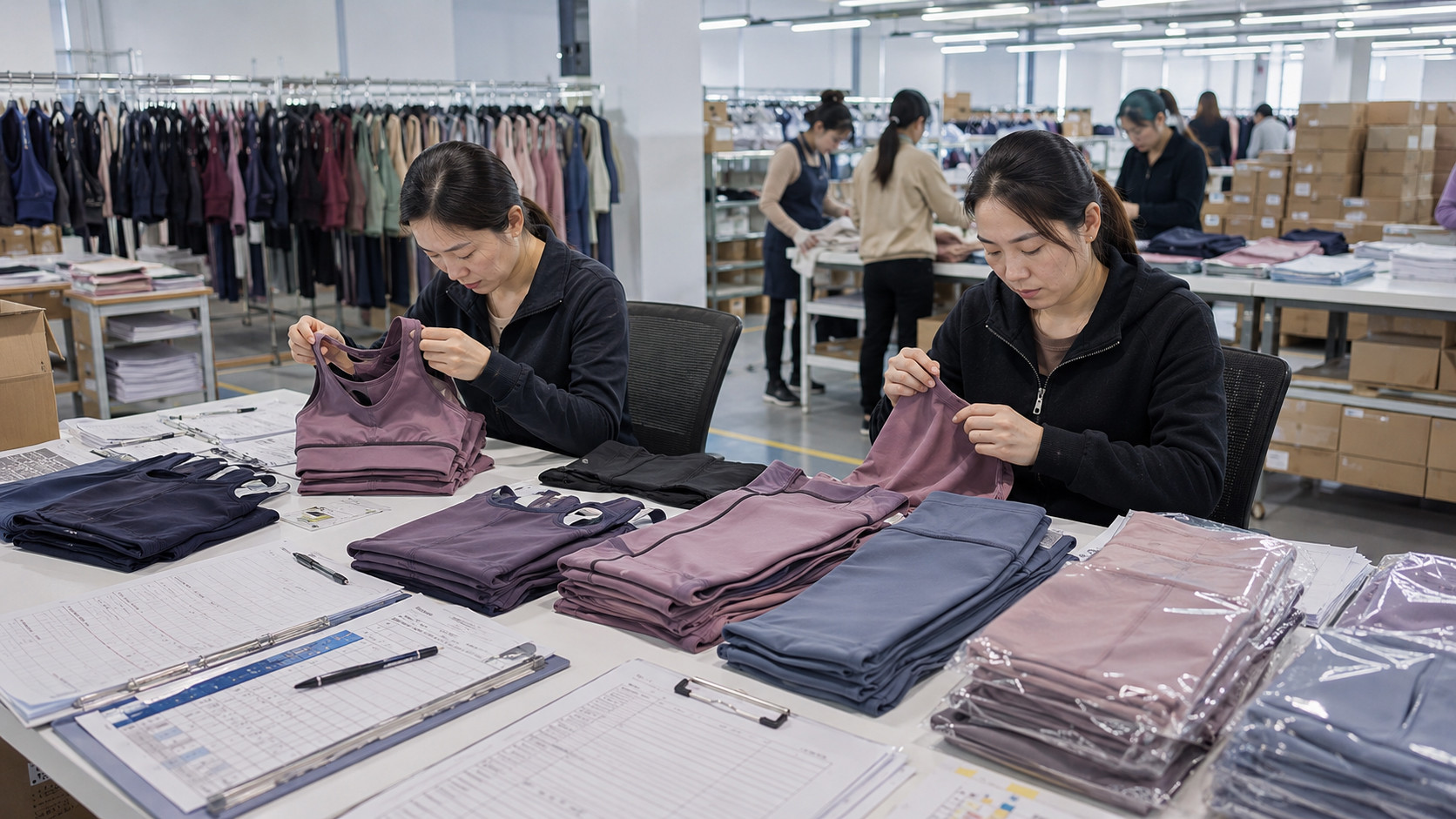
How Does Fabric Testing Affect Lead Time?
Professional manufacturers perform fabric testing before mass production. This step helps prevent shrinkage, color bleeding, poor stretch recovery and pilling problems after the garments reach customers.
Common Fabric Tests for Gym Wear Sets
- Stretch recovery testing
- Color fastness testing
- Shrinkage testing
- Pilling resistance testing
- Moisture management testing
Brands working with a manufacturer that follows a structured quality control system usually experience fewer production defects and customer returns.
The ASTM International standards organization publishes testing methods widely referenced by the textile and apparel industry.
How Can Brands Reduce Manufacturing Costs Without Sacrificing Quality?
Lower pricing should not mean lower quality. The best approach is to simplify early product planning, use materials efficiently and control unnecessary customization.
Standardize Fabrics Across Multiple Styles
Using the same fabric for leggings, sports bras and tops can improve purchasing efficiency and reduce sourcing complexity. Brands can compare material options through this fabric selection resource.
Increase Order Quantities Strategically
Larger orders usually provide better fabric pricing, lower cutting costs and more efficient production. The cost difference between 100 pieces and 500 pieces can be significant.
Simplify Early Product Collections
Successful activewear startups often begin with leggings, sports bras, tank tops and T-shirts. After market validation, they can expand into custom tank tops, performance T-shirts and custom sports hoodies.
What Questions Should You Ask a Gym Wear Sets Manufacturer?
Before placing an order, brands should ask clear questions about MOQ, pricing, lead time, quality control and communication. The answers reveal how reliable and experienced the supplier really is.
- What is your MOQ per style and color?
- What fabrics do you recommend for this product?
- How long does sample development take?
- What is your bulk production lead time?
- What quality control procedures do you follow?
- Can you support private label branding?
- What shipping methods do you offer?
- How do you manage fabric testing and inspections?
- Can you provide production updates during manufacturing?
- What happens if products fail quality checks?
Brands looking for a long-term partner should choose a custom gym wear manufacturer that can explain pricing clearly, manage quality control and support stable delivery.
Plan Your Gym Wear Sets Production With Clear Cost, MOQ and Lead Time
Understanding manufacturing cost, MOQ and lead time helps activewear brands make better sourcing decisions. Fabric selection, design complexity, branding, order quantity and quality control all affect the final result.
If you are developing leggings, sports bras, yoga wear or complete gym wear sets, work with a manufacturer that provides transparent pricing, realistic timelines and reliable production support.
Start Your Activewear Project```