How Much Does It Cost to Work with a Custom Activewear Manufacturer?
- Share
- Issue Time
- Mar 4,2026
Summary
Discover how much it costs to work with a custom activewear manufacturer. Learn pricing breakdowns, MOQ impact, sampling fees, and cost-saving strategies. Transparent manufacturing insights from ohsure.
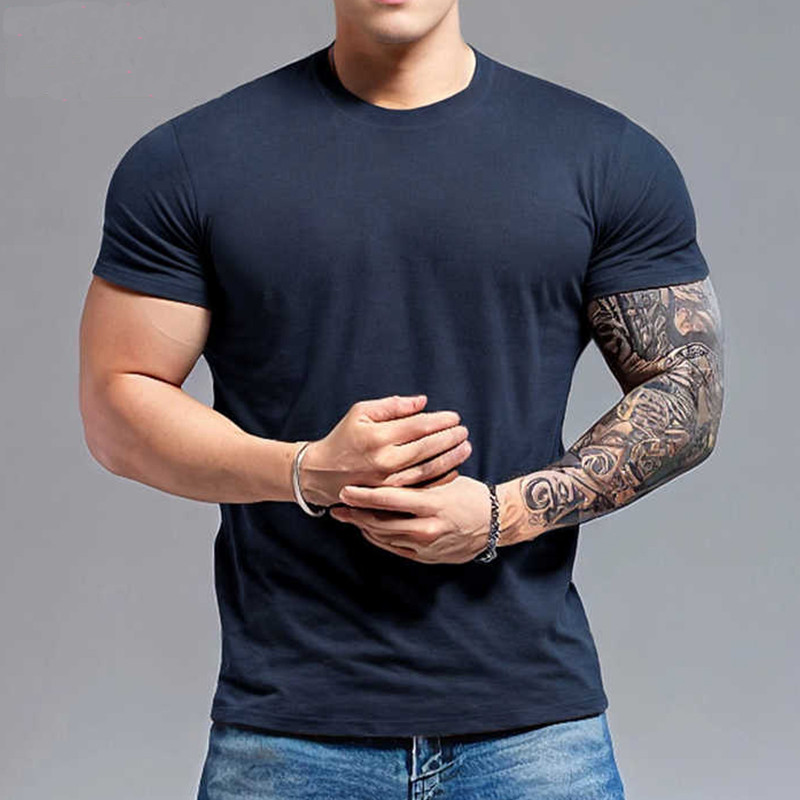
The answer isn’t a single number. Costs vary depending on fabric selection, design complexity, order quantity, customization level, and logistics. As an experienced manufacturer, ohsure has worked with startups, e-commerce brands, wholesalers, and private labels for over 15 years, and we’ve seen how understanding cost structure early helps brands avoid expensive mistakes.
In this guide, we break down real manufacturing costs, explain what affects pricing, and share practical advice to help you budget strategically.
What Factors Determine the Cost of Working with a Custom Activewear Manufacturer?
Manufacturing cost is not random. It’s the result of multiple controllable variables.
Fabric Selection and Material Grade
Fabric is usually the largest cost component.
• Basic polyester blends are more affordable.
• Nylon-spandex performance fabrics cost more but provide better stretch, durability, and hand feel.
• Recycled or sustainable fabrics (such as recycled polyester or eco-nylon) typically add 10–20% to material costs.
• High-performance features like moisture-wicking, anti-bacterial treatment, compression technology, or seamless knitting increase pricing further.
For example, a basic polyester legging may cost significantly less than a sculpted compression legging made from premium nylon-spandex fabric with brushed finishing.
At ohsure, we help brands select fabrics that balance performance and price based on target market positioning.
Design Complexity and Construction
The more complex the design, the higher the cost.
Factors that increase production cost:
• Multiple panels and seams
• Contrast stitching
• Mesh inserts
• Laser cutting
• Bonded seams
• Custom jacquard waistbands
• Built-in bras with molded cups
A simple sports bra with standard stitching costs far less than a multi-panel compression bra with removable padding and detailed branding.
Complex designs require more labor time, more skilled technicians, and stricter quality control — all of which affect unit price.
Customization Level (OEM vs ODM)
There’s a big difference between:
• Private label (adding your logo to existing styles)
• Full OEM customization (developing your own tech pack and patterns)
Full customization includes:
• Pattern development
• Fit testing
• Sample revisions
• Custom trims and packaging
• Brand-specific sizing adjustments
Naturally, the more customized the product, the higher the initial development cost. However, it also creates stronger brand differentiation.
Order Quantity (MOQ)
MOQ directly impacts per-unit price.
• Lower MOQ = higher unit cost
• Higher volume = better cost efficiency
This is because factory setup, fabric sourcing, and production planning all require fixed operational costs.
At ohsure, we offer flexible MOQ options to support growing brands while maintaining production efficiency.
What Is the Typical Cost Breakdown Per Piece?
To provide clarity, here is a realistic cost breakdown for custom activewear production:
| Cost Component | Typical Range (USD) | Notes |
Fabric & Trims | $4 – $12 | Depends on fabric quality |
Cutting & Sewing | $3 – $8 | Based on design complexity |
Printing/Branding | $1 – $5 | Screen print, heat transfer, embroidery |
| Packaging | $0.5 – $2 | Custom vs standard |
Quality Control | $0.5 – $1.5 | Inspection & finishing |
| Estimated Total | $8 – $25+ | Varies by style and quantity |
| This means a basic legging could cost around $8–12, while premium compression sets can reach $20–25 or more per piece. | ||
Sample Development Costs
Before bulk production, brands must budget for sampling.
Typical sampling costs include:
• Pattern development
• Tech pack review
• Fabric sourcing
• First sample production
• Fit adjustments
• International shipping
Sample costs usually range between $80–$250 per style, depending on complexity.
Although sampling feels expensive, it is a critical step to ensure sizing accuracy, quality standards, and production feasibility.
Logistics and Shipping Costs
Shipping can significantly affect final cost.
• Air freight: Faster but expensive.
• Sea freight: More economical for large volumes.
• DDP (Delivered Duty Paid): Includes customs and taxes.
• FOB (Free on Board): Buyer handles shipping and import clearance.
Freight costs fluctuate depending on global logistics conditions, fuel prices, and destination country.
An experienced manufacturer like ohsure can advise on the most cost-effective shipping strategy for your region.
Why Is the Cheapest Manufacturer Not Always the Best Choice?
Many new brands focus only on price — but low quotes can hide long-term risks.
Hidden Costs Behind Low Pricing
Extremely low pricing often results from:
• Lower-grade fabric substitution
• Reduced stitching density
• Weak elastic bands
• Inconsistent sizing
• Minimal quality control
These issues may not appear immediately but lead to customer complaints, high return rates, and damaged brand reputation.
Quality Directly Impacts Brand Value
Activewear is performance apparel. Customers expect:
• Durability
• Stretch recovery
• Sweat resistance
• Comfort
If leggings lose elasticity after 5 washes, the brand loses credibility.
Over 15 years, ohsure has learned that sustainable brand growth depends on stable quality, not just aggressive pricing.
Experience Reduces Risk
Working with an experienced custom activewear manufacturer offers:
• Accurate cost forecasting
• Design feasibility assessment
• Fabric performance recommendations
• Production timeline reliability
• Stable supply chain management
These reduce costly production errors and missed launch deadlines.
How Can You Reduce Manufacturing Costs Without Sacrificing Quality?
Smart brands optimize cost strategically rather than cutting corners.
Optimize Fabric Usage
• Choose efficient pattern layouts.
• Avoid excessive fabric waste.
• Standardize fabric across multiple styles.
Using one core fabric across 3–5 styles improves purchasing efficiency.
Simplify Early Collections
For new brands:
• Start with 2–3 hero products.
• Avoid overly complex construction.
• Focus on strong fit and branding.
Complex designs can be introduced once revenue stabilizes.
Plan Production in Advance
Last-minute production increases:
• Air freight costs
• Overtime labor costs
• Fabric rush charges
Early forecasting allows better cost negotiation and scheduling.
Build Long-Term Manufacturer Relationships
Long-term partnerships allow:
• Better price stability
• Priority production slots
• Flexible MOQs
• Faster development cycles
At ohsure, many clients started small and gradually scaled into larger bulk production after market validation.
What Budget Should Startups Prepare?
Here’s a realistic startup example.
If launching 3 styles with 200 pieces per style:
• Sampling: $300–$600
• Production (600 pcs × $12 avg): $7,200
• Packaging & branding: $500–$1,000
• Shipping: $800–$1,500
Estimated initial investment: $9,000–$12,000
This varies depending on product positioning and logistics strategy.
Final Thoughts: Cost Is About Strategy, Not Just Price
The cost of working with a custom activewear manufacturer depends on:
• Fabric choice
• Design complexity
• Customization level
• Order quantity
• Shipping method
More importantly, manufacturing is an investment in your brand’s reputation.
Choosing an experienced partner like ohsure ensures:
• Transparent pricing
• Stable quality standards
• Realistic production timelines
• Long-term scalability
Instead of asking, “What is the cheapest option?” the better question is:
What cost structure supports sustainable brand growth?
If you are planning to launch or scale your activewear brand, understanding these cost factors early will save you time, money, and unnecessary risk.