How Much Does OEM Activewear Manufacturing Cost?
- Share
- Issue Time
- Sep 3,2026
Summary
Learn how OEM activewear manufacturing costs are built across development, materials, production, branding, testing, inspection, freight and duties. Includes a 1,000-unit model, MOQ sensitivity table and quote checklist.
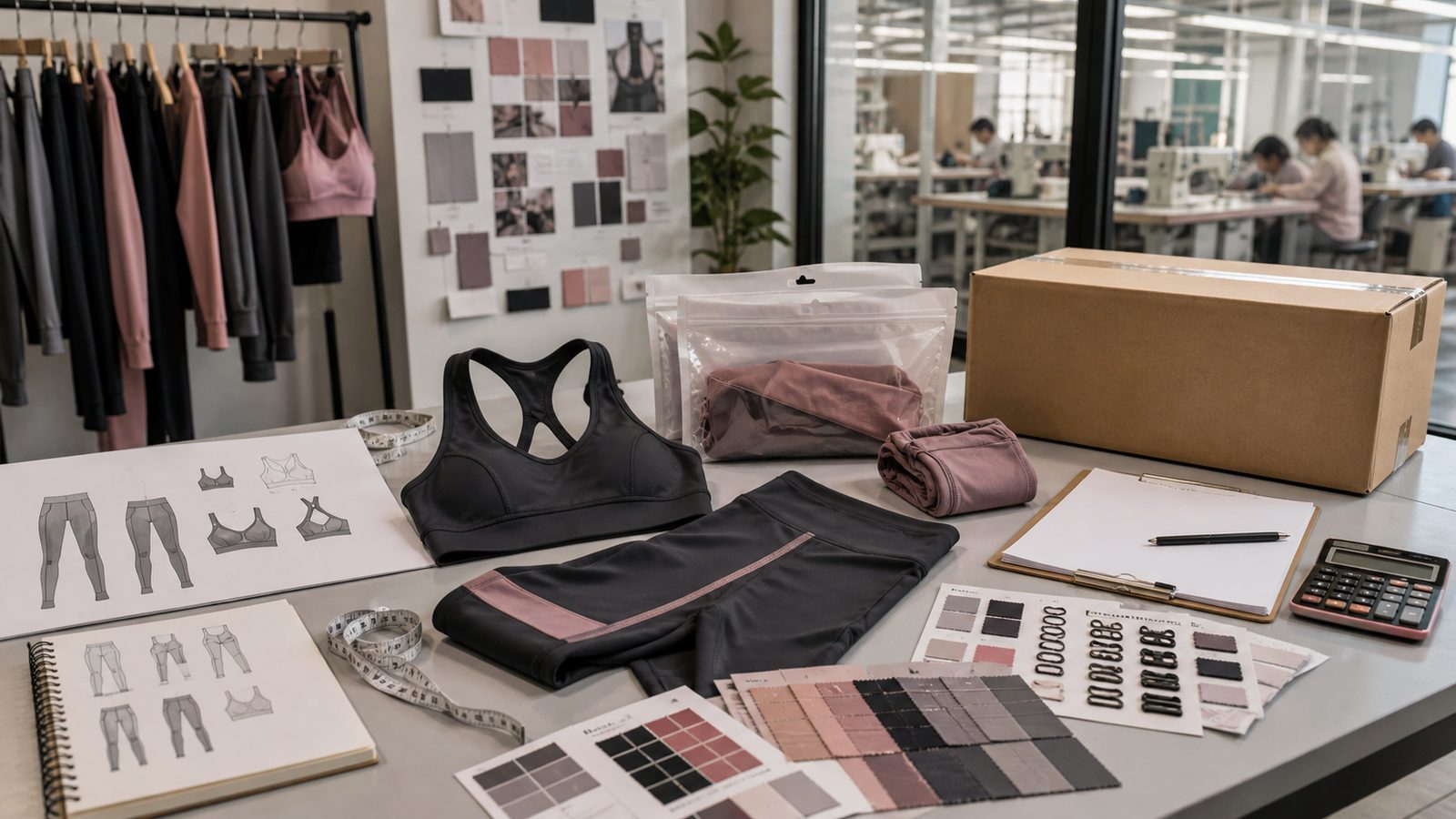
OEM activewear cost guide · Planning model · Evidence checked September 3, 2026
Direct answer: OEM activewear manufacturing cost is not one fixed price. A usable budget combines product development, samples, fabric and trims, cut-and-sew production, branding, packaging, testing, inspection, freight, duties, fees and a defect or loss allowance. The factory unit price is only one layer. For a small custom program, fixed development charges can make the first order materially more expensive per unit than a repeat order, while custom materials and low quantities can raise both minimums and production cost.
The most reliable comparison is a matched landed-cost model built from the same specification, quantity, size range, delivery term, destination and quality requirements. This guide provides a replaceable framework—not an Ohsurewear quotation or a universal market-price list.
What Is Included in OEM Activewear Cost?
Development
Design clarification, tech-pack review, pattern making, grading, marker work and sample revisions.
Product
Fabric, lining, elastic, thread, trims, cutting, sewing, finishing and production loss.
Branding
Logo application, brand labels, size and care labels, hangtags, barcodes and packaging.
Verification
Material or garment tests, measurement checks, workmanship inspection and corrective work.
Delivery
Export handling, freight, insurance, customs brokerage, duties, taxes and inbound transport.
Risk
Defects, shortages, exchange-rate movement, delays, markdowns and unsold inventory.

OEM Cost Drivers and the Evidence to Request
| Cost driver | Why it changes price | Evidence to request |
|---|---|---|
| Quantity and color split | Setup and handling are spread across fewer or more units; each color may create its own minimum. | Price ladder and MOQ by style, color and size |
| Fabric platform | Stock fabric, custom color and custom knit require different commitments and timing. | Fabric code, composition, weight, width, price basis and minimum |
| Pattern and grading | New blocks, complex fit and broad size ranges add development and validation work. | Included sizes, grading rules, fees and file ownership |
| Construction | Panels, pockets, bindings, zippers and seam types change labor and machine time. | Operation breakdown and approved construction reference |
| Logo technique | Screen, transfer, embroidery or silicone methods have different setup, unit and test costs. | Technique trial, dimensions, colors, setup and per-unit charge |
| Labels and packaging | Component minimums may exceed the garment quantity. | MOQ, unit price, setup fee and ownership of excess stock |
| Testing | Claims, destination markets and buyer specifications may require different test programs. | Test list, method, laboratory, sample quantity and pass criteria |
| Quality plan | Inspection scope and defect response affect labor and risk. | Measurement tolerances, defect list, sampling plan and remedy |
| Delivery term | The named place and Incoterms rule allocate transport tasks, costs and risks differently. | Exact rule, named place, version and excluded charges |
Fixed Costs vs Variable Costs
Fixed costs are incurred for the project or style rather than for each finished unit. Examples include pattern development, grading, artwork setup, sample rounds and some tests. Their per-unit effect falls as the order quantity rises, but total inventory exposure rises at the same time.
Variable costs rise with units. Fabric, trims, sewing, logos, packaging and some inspection or handling charges usually belong here. A quote can also contain stepped costs: a fabric price may change after a volume threshold, while an extra color can trigger a separate setup or minimum.
Per-unit factory cost
Garment and included factory processes divided by ordered units.
Landed planning cost
All project cash needed to receive usable goods divided by ordered units.
Cost per sellable unit
All project cash divided by units expected to be available for sale.
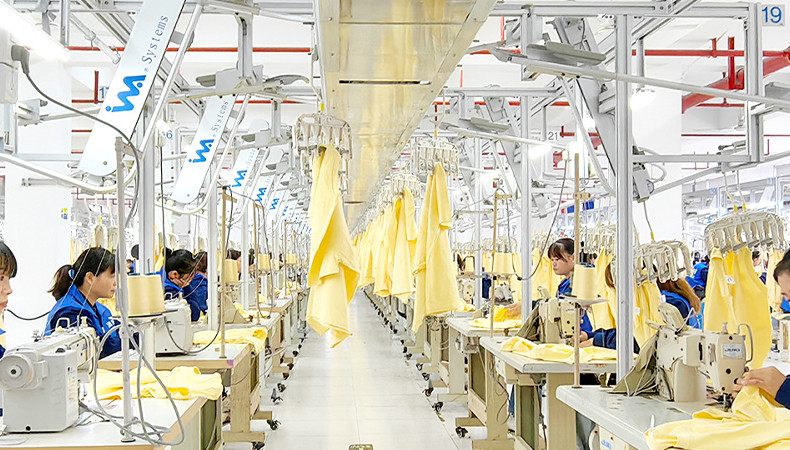
Illustrative 1,000-Unit OEM Activewear Budget
This example covers two styles in two colors, totaling 1,000 units. Every amount is hypothetical and should be replaced with current supplier, logistics, customs and service-provider quotes.
| Budget item | Example assumption | Calculation | Amount |
|---|---|---|---|
| Pattern, grading and technical setup | Two styles | Fixed project amount | $1,200 |
| Development samples | 8 samples at $85 | 8 × $85 | $680 |
| Sample courier charges | Three shipments | Illustrative fixed amount | $270 |
| Bulk garments | 1,000 units at $12.80 | 1,000 × $12.80 | $12,800 |
| Branding and packaging | 1,000 units at $1.10 | 1,000 × $1.10 | $1,100 |
| Testing | Fabric and garment checks | Illustrative program | $620 |
| Inspection | Pre-shipment service | Illustrative amount | $380 |
| Freight, insurance and destination handling | Matched delivery assumption | Illustrative amount | $2,150 |
| Duties and import fees | Placeholder pending classification | Illustrative amount | $1,050 |
| Defect and shortage allowance | Planning reserve | Illustrative amount | $500 |
| Total project cash | All items | Sum of above | $20,750 |
| Landed planning cost | 1,000 ordered units | $20,750 ÷ 1,000 | $20.75 per unit |
Convert Ordered Units Into Sellable Units
If 4% of the order is unavailable for full-price sale because of shortages, damage, defects or sample retention, 960 units must recover the same project cash:
This still excludes marketing, payment processing, warehousing, fulfillment, returns and operating overhead. A realistic retail margin model should start with expected sellable units and weighted selling price after discounts—not the best-case full-price scenario.
How Order Quantity Changes the Cost
Assume $2,770 of development, testing and setup cost before production; $13.90 of factory product and branding cost per unit; and logistics that change with the batch. The examples below show direction, not a supplier price ladder.
| Ordered units | Fixed cost per unit | Variable factory cost | Example logistics and fees per unit | Illustrative planning cost |
|---|---|---|---|---|
| 500 | $5.54 | $13.90 | $4.30 | $23.74 |
| 1,000 | $2.77 | $13.90 | $3.58 | $20.25 |
| 2,000 | $1.39 | $13.90 | $3.05 | $18.34 |
OEM Cost Timeline and Payment Gates
- 1
Feasibility and quotation
Confirm specification, quantity, material route, inclusions, exclusions, delivery term and quote validity.
- 2
Development authorization
Approve pattern, sample and testing fees only after deliverables, revisions and ownership are written.
- 3
Sample approval
Measure fit, workmanship, material behavior and branding before committing custom inputs.
- 4
Bulk commitment
Link deposits to the approved specification, material booking, production window and change rules.
- 5
Inspection and balance
Define what evidence is required before final payment or shipment release.
- 6
Import and receipt
Reconcile freight, duties, fees, shortages, defects and received quantities into the final landed cost.
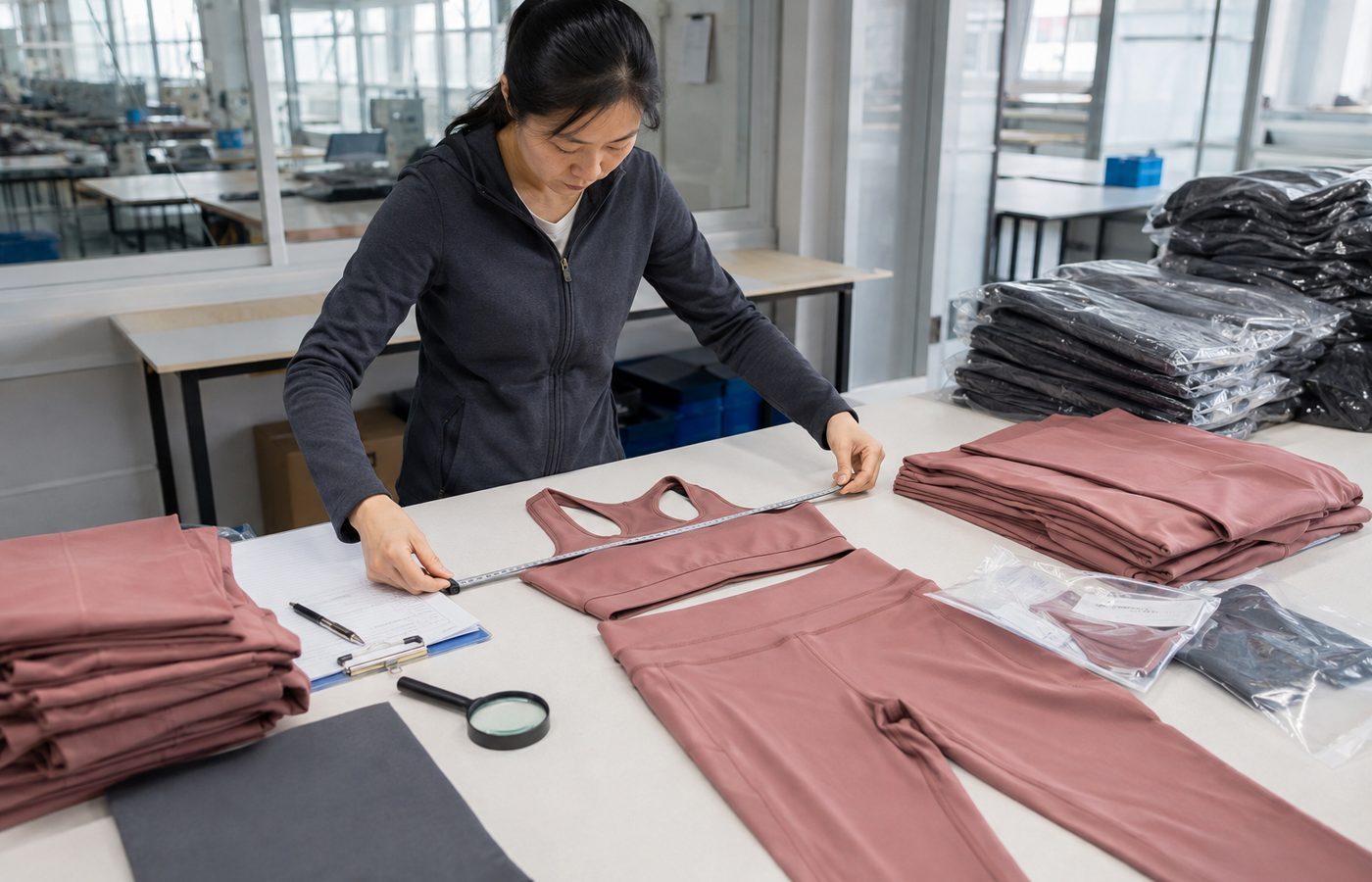
Quotation Normalization Checklist
Product basis
- Same tech pack revision
- Same fabric code and specifications
- Same colors and size range
- Same construction and trims
Commercial basis
- Same quantity split
- Same packaging
- Same sample and setup scope
- Same payment assumptions
Delivery basis
- Same Incoterms rule and named place
- Same freight mode
- Same destination
- Same duty and fee assumptions
Acceptance basis
- Same tests
- Same tolerances
- Same inspection plan
- Same defect remedies
Worked Example: Why the Cheapest Quote May Cost More
Supplier A quotes $11.90 per garment and Supplier B quotes $12.80. Supplier A's price excludes grading, logo setup, care labels, individual packaging and pre-shipment inspection. It also uses a delivery term that leaves the buyer responsible for more transport and handling. Supplier B includes those factory-side items and names the delivery point clearly.
After the brand adds the omitted charges to Supplier A, the normalized factory-side cost becomes $13.40 per unit before logistics. The original $0.90 apparent saving becomes a $0.60 disadvantage. The example does not prove that bundled pricing is always better; it shows why a quote must be normalized before suppliers are ranked.
Labels, Duties and Delivery Terms Need Current Data
For the United States, most textile products require fiber content, country of origin and responsible-business identification, while covered clothing also requires care instructions supported by a reasonable basis. Other markets differ. Label development, translation, testing and corrective replacement can therefore belong in the project budget.
Landed cost includes the product price plus freight, insurance, tariffs, taxes and other fees. Classification and origin affect duty treatment, so use a qualified customs professional and current destination-market data. Incoterms rules allocate buyer and seller obligations, costs and risk; they do not by themselves define product quality, payment or ownership.
Frequently Asked Questions
What is a typical OEM activewear unit price?
There is no reliable universal figure. Product specification, fabric, construction, quantity, colors, sizes, branding, packaging and included services must be known before a unit price is meaningful.
Why does the first OEM order cost more?
Pattern work, grading, samples, setup and testing are often concentrated in the first project. Some assets may be reusable, but this depends on ownership, material availability and the next specification.
Are samples included in bulk pricing?
Sometimes, but not automatically. Ask whether samples are charged, credited after bulk order, limited by revision count or shipped separately.
Does a higher MOQ always reduce total risk?
No. It may reduce unit cost while increasing cash commitment, storage needs and markdown exposure. Balance price efficiency with realistic demand.
Should freight and duty be included in product margin?
A commercial planning model should account for all costs needed to receive sellable goods. Accounting treatment and tax rules should be confirmed with qualified advisers.
Can an OEM quote guarantee final landed cost?
Only if every relevant scope, delivery, classification, tax, fee and currency assumption is fixed, which is uncommon early in development. Maintain a dated cost model and update it at each approval gate.
Build the Cost Model Before Approving the Order
An OEM activewear budget is dependable only when its assumptions are visible. Separate fixed and variable charges, normalize supplier quotes, calculate cost per sellable unit, and connect payments to development and quality evidence. Then stress-test quantity, freight, duty, defects and markdowns.
Ohsurewear's product catalog can support early specification research, while the industry blog explains related manufacturing decisions. Current project scope, MOQ, samples, prices, lead times, testing, ownership and delivery terms should always be confirmed in a written quotation.