How to Choose Activewear Fabric: Nylon vs Polyester vs Spandex
- Share
- publisher
- Ohsure
- Issue Time
- Nov 13,2026
Summary
Learn how activewear brands can compare nylon, polyester and spandex blends, validate finished fabrics, and avoid costly development mistakes.
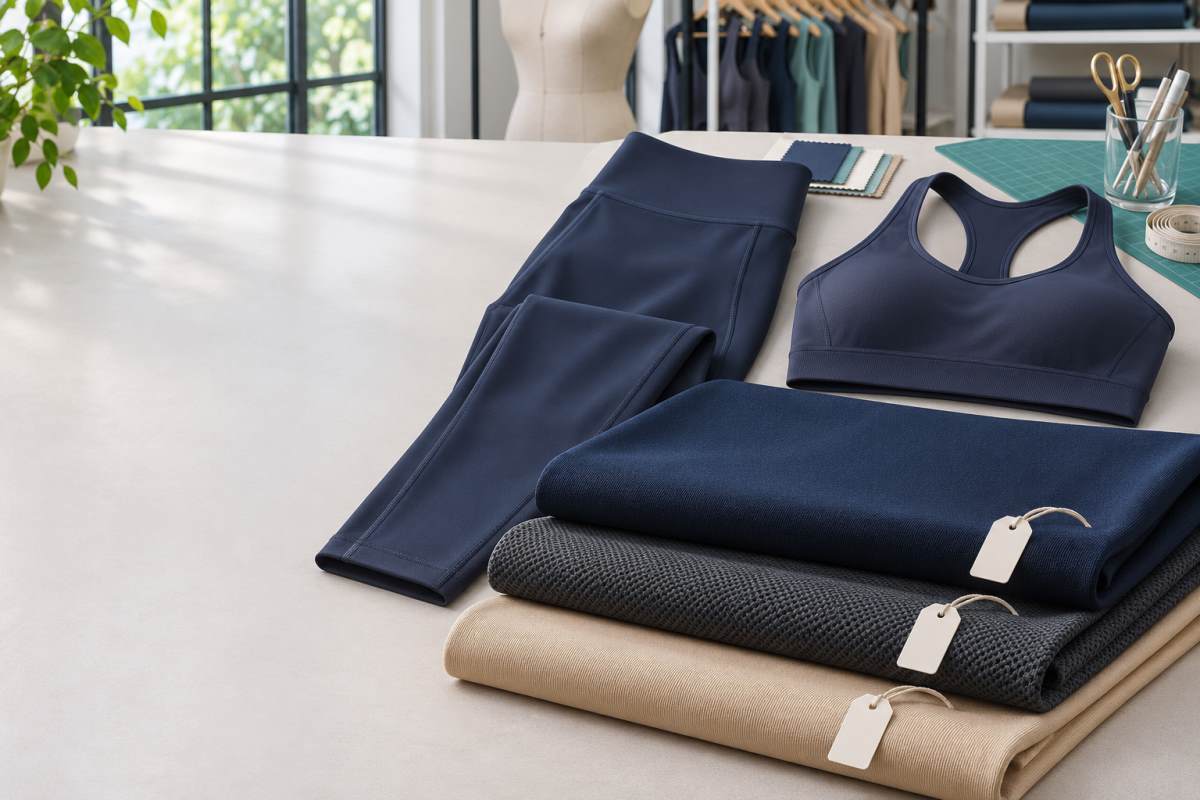
Material selection for activewear brands
Direct answer: For fitted leggings and sports bras, begin with a tested nylon–spandex or polyester–spandex knit selected for recovery, opacity and hand feel. Polyester is often practical for lightweight, quick-dry tops; nylon is commonly chosen for a smoother hand. Approve the finished fabric through a sample, wash test and movement trial before bulk production.
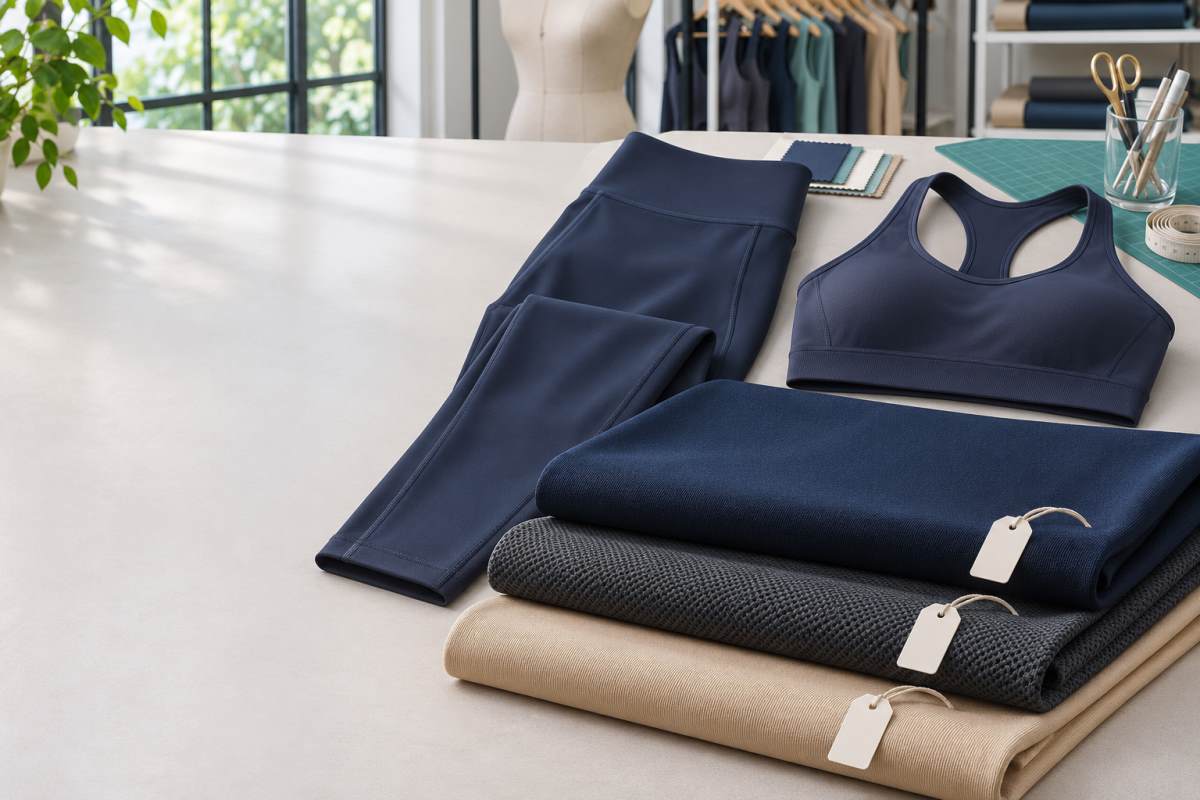
Start with the finished fabric, not the fibre label
Polyester, nylon and elastane each play different roles. Fibre content is only one part of performance: yarn texture, knit construction, weight, dyeing and finishing also influence stretch, opacity, liquid transport and hand feel.
Nylon / polyamide
Often considered for smooth, soft-feel fitted products. Confirm pilling, abrasion, colour performance and recovery on the approved fabric.
Polyester
A versatile option for tees, tanks and printed activewear. Quick-dry behaviour depends on the yarn profile, knit and finish.
Spandex / elastane
An elastic fibre blended into fabric to support stretch and recovery. It is not a complete fabric by itself.
How to choose a fabric for a new style
- Define activity, climate, silhouette, price point and target market.
- Set measurable priorities: opacity, recovery, compression, dry hand or print clarity.
- Request comparable swatches with composition, construction, finished weight, usable width and finish.
- Make a representative sample using the intended seams, waistband, lining and decoration method.
- Run movement and wash trials before freezing the approved bulk reference.
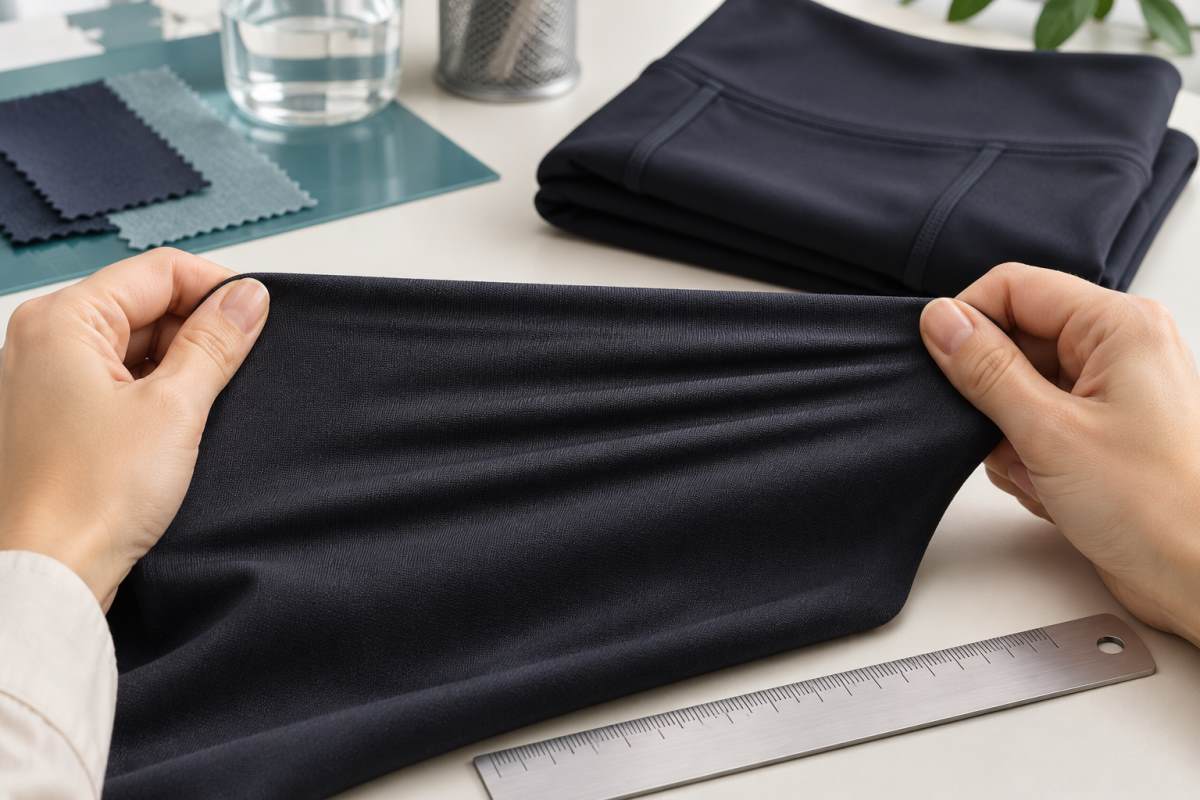
Common mistakes to avoid
| Mistake | Better practice |
|---|---|
| Choosing from composition alone | Approve the finished knit with construction, weight and finish documented. |
| Calling any stretch fabric “compression” | Define intended support and validate it through fit trials. |
| Skipping wash samples | Review shape, colour, hand feel and trims after intended care. |
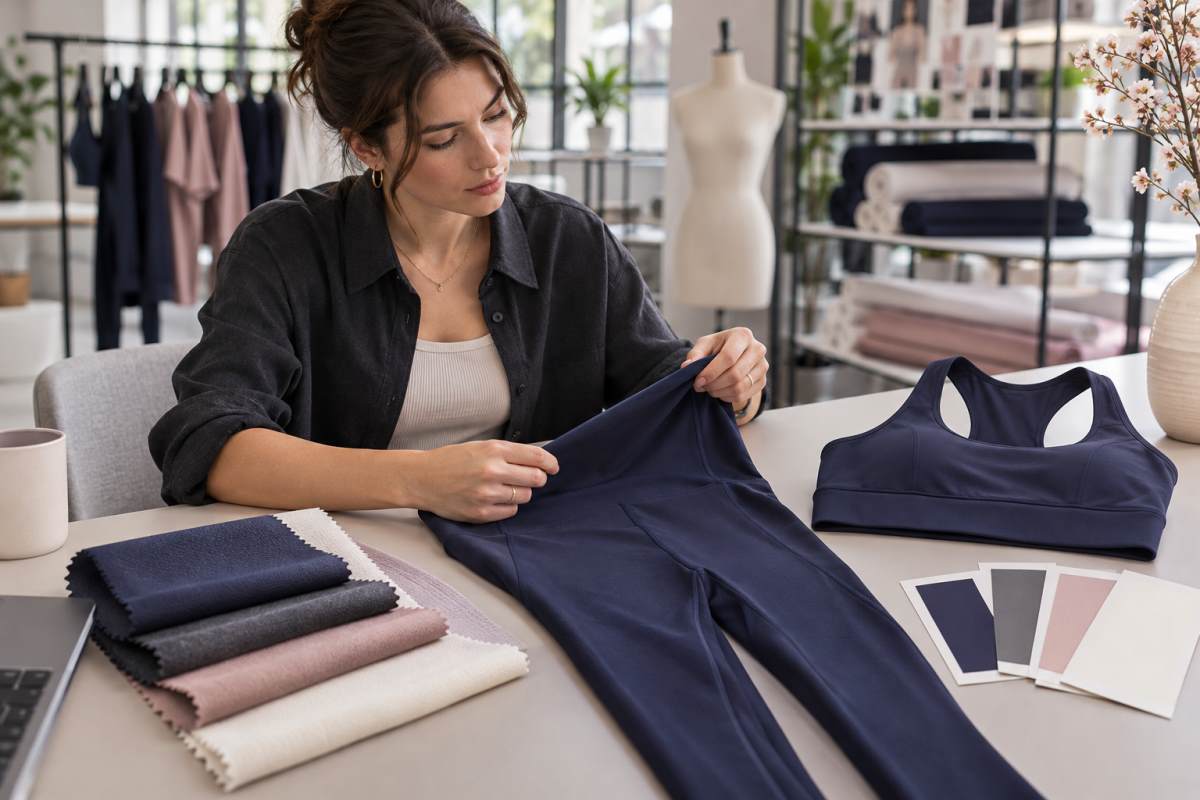
Manufacturer perspective
Two fabrics with the same nominal blend can behave very differently. Control the approved roll or hand standard, garment measurements and seam construction together. Treat claims such as “soft”, “quick dry” and “squat proof” as properties to validate on the actual colour, size and build.
Related Ohsure resources
Explore Fabric Selection, Custom Activewear Manufacturing, OEM & ODM Solutions and Contact Us for your next development project.
FAQ
Is nylon always better than polyester for leggings?
No. Either can work in a performance knit. Choose from the approved fabric’s feel, opacity, recovery, durability, colour and cost target.
What percentage of elastane should I use?
There is no universal percentage. It depends on construction, intended support, pattern and recovery requirements. Compare prototypes rather than copying a number from another style.
Does moisture wicking come from fibre alone?
Usually not. Yarn shape, fabric construction and finishes can influence liquid transport and drying. Test the intended finished fabric.