How to Choose Activewear Fabric: Performance, Weight, Stretch and Testing Guide
- Share
- publisher
- Ohsurewear
- Issue Time
- Aug 20,2026
Summary
A practical buyer's guide to choosing activewear fabric by end use, composition, GSM, stretch, recovery, opacity, moisture performance, durability, testing and bulk quality control.
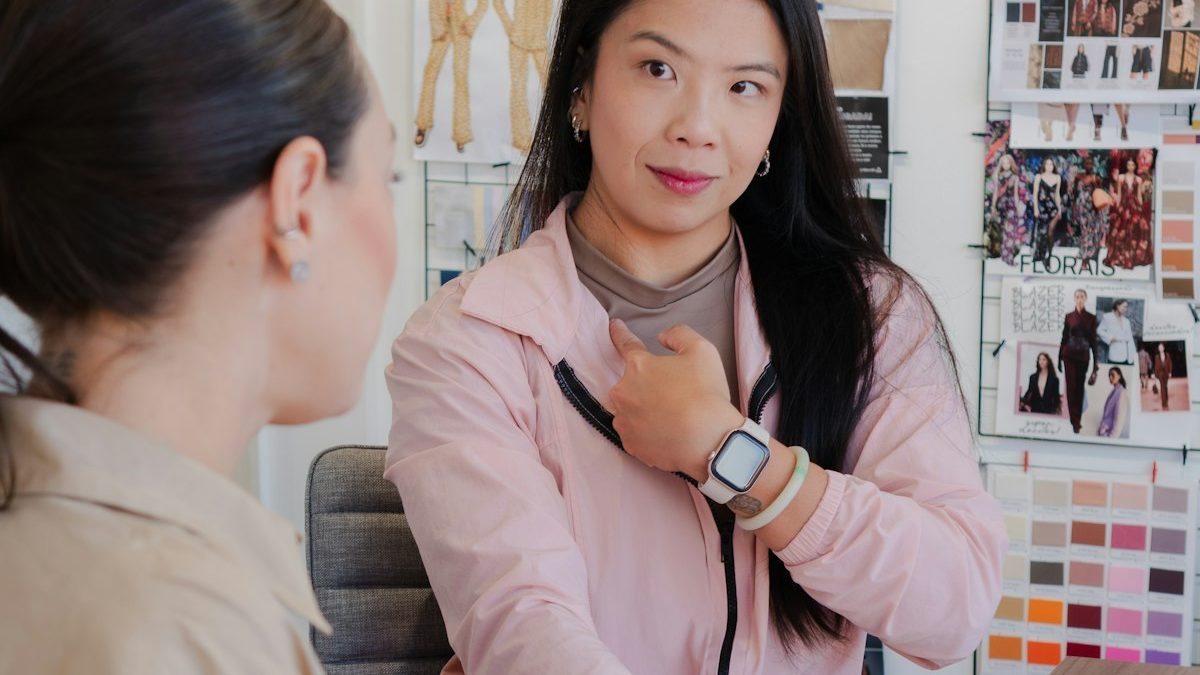
Activewear Material Guide
How to Choose Activewear Fabric
The right activewear fabric is not defined by fiber content alone. Buyers need to match fabric weight, stretch, recovery, moisture management, opacity, hand feel, durability and care performance to the garment's intended activity, fit and price position.
Direct answer
Choose activewear fabric by first defining the garment's use and support level, then specifying composition, GSM, stretch percentage and direction, recovery, opacity, moisture and drying performance, abrasion and pilling resistance, colorfastness, shrinkage and required certifications. Approve the fabric only after lab tests and a finished-garment wear test.
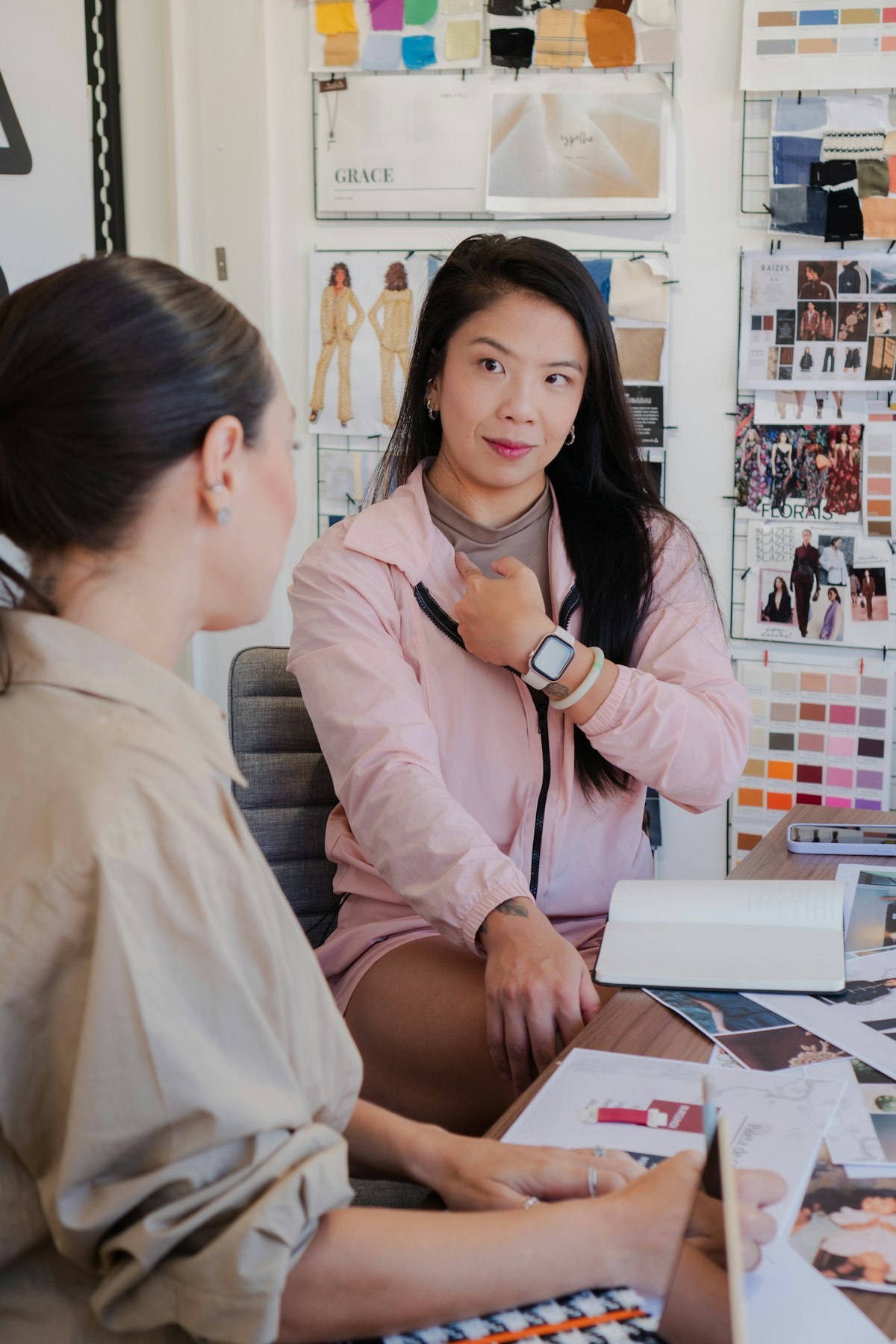
Start with the Garment, Not a Fabric Trend
A fabric that works for a relaxed training top may fail in compression leggings or a supportive sports bra. Before requesting swatches, define the activity, climate, silhouette, body zones, expected support, skin contact, retail price and care conditions. These decisions establish which properties matter most.
Yoga and studio wear
Prioritize soft hand feel, four-way stretch, recovery, opacity and low-friction comfort through deep movement.
Running and training
Prioritize low weight, moisture transport, fast drying, abrasion resistance and stable recovery under repeated movement.
Compression garments
Prioritize controlled stretch, high recovery, consistent power, seam compatibility and comfort without restricting circulation.
Outdoor activewear
Consider thermal balance, wind or water resistance, UV exposure, snagging, colorfastness and layering requirements.
Core Fabric Specifications Buyers Should Define
| Specification | What it tells you | Buyer check |
|---|---|---|
| Fiber composition | The percentage of polyester, nylon, elastane or other fibers. | Confirm the final tested composition, not only the supplier's working description. |
| Fabric construction | Knit type and structure influence stretch, surface, stability and cost. | Record construction or a traceable supplier quality code in the bill of materials. |
| GSM | Grams per square meter indicates mass, but not automatically thickness or quality. | Set an approved target and tolerance after testing the actual quality. |
| Stretch | The percentage the material extends lengthwise and crosswise. | State the test method, direction, load and whether the result is two-way or four-way. |
| Recovery | How closely the fabric returns to its original dimensions after extension. | Evaluate repeated cycles, not only one manual pull. |
| Width and usable width | Controls marker efficiency, consumption and potential edge waste. | Use usable width for costing and cutting plans. |
| Finish | Brushing, wicking, antimicrobial, water-repellent or other treatments change performance. | Confirm durability after the required number of washes. |

Nylon, Polyester and Elastane: What Changes?
Nylon blends are often selected for a smooth, soft hand and abrasion performance. Polyester blends can offer efficient moisture management, color options and broad sourcing availability. Elastane supplies stretch and recovery, but a higher percentage does not by itself guarantee better compression or durability. Yarn, knit construction, finishing and heat-setting all affect the result.
Do not approve by composition alone
Two fabrics labeled 75% nylon and 25% elastane can feel, stretch, recover and wear very differently. Compare physical samples, supplier specifications and test results under the same methods.
How Much GSM Does Activewear Need?
GSM is useful for controlling a chosen fabric, but it is not a universal performance score. A lighter engineered knit may provide better opacity or recovery than a heavier but loosely constructed material. Use GSM as one part of the specification and evaluate the finished garment.
- Lightweight fabrics: suitable for breathable tops, linings and warm-weather layers when opacity and durability remain acceptable.
- Midweight fabrics: commonly considered for versatile leggings, shorts, bras and training pieces.
- Heavier fabrics: may support compression, coverage or structure, but can increase heat retention, drying time and material cost.
Performance Tests to Request
- 01
Dimensional stability
Measure shrinkage or growth after the specified wash and drying cycle. Test the finished garment when seams, elastic and panels may react differently.
- 02
Colorfastness
Check washing, perspiration, rubbing and light exposure as relevant. Dark activewear should also be reviewed for staining adjacent light fabrics.
- 03
Pilling and abrasion
Match the method and acceptance level to repeated friction from equipment, bags, seats and body movement.
- 04
Stretch and recovery
Test both directions and after repeated extension. Poor recovery can create bagging at knees, seats, elbows or waistbands.
- 05
Moisture and drying
Define a repeatable method when wicking or quick-dry performance is a product claim. A hand splash test is not sufficient evidence.
- 06
Opacity and wear testing
Review the fabric under stretch, movement and realistic lighting, then test a finished garment for coverage, comfort and seam interaction.
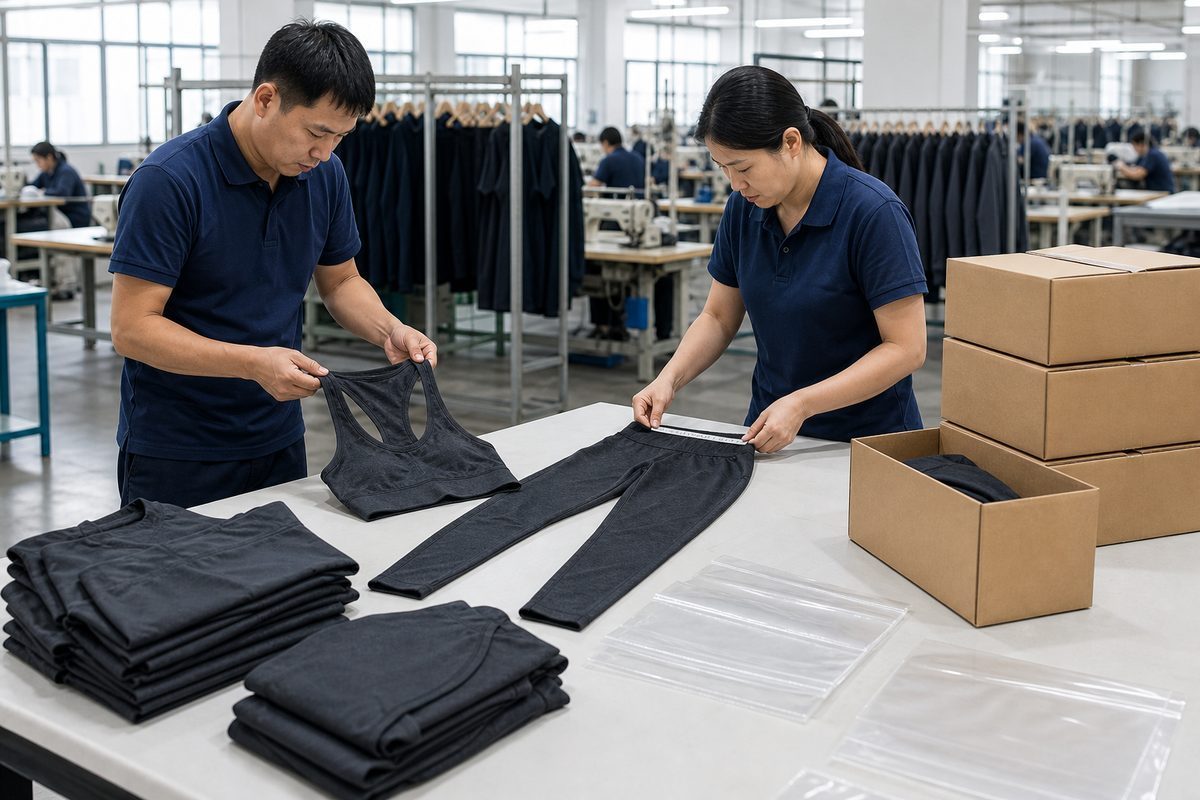
Control Fabric from Lab Dip to Bulk Cutting
Approval should move through a controlled sequence: initial swatch, selected quality, lab dip or strike-off, sample yardage, test report, finished sample and bulk lot. Record each approval with a date, supplier reference and revision. Before cutting, compare bulk rolls with the approved standard for shade, width, GSM, defects and performance.
Ask the supplier
- Is the quality stock-supported or made to order?
- What is the material MOQ and lead time?
- Can future lots reproduce the same quality?
- Which tests and certifications are available?
Record in the tech pack
- Supplier and quality code
- Composition, construction, GSM and width
- Color reference and approved finish
- Test standards, tolerances and approval date
Activewear Fabric FAQs
Is nylon always better than polyester for activewear?
No. The best choice depends on the garment, construction, finish, target cost and required performance. Test candidate fabrics against the same specification.
Does more elastane mean more compression?
Not necessarily. Compression depends on elastane content, yarn, knit structure, fabric power, pattern reduction and garment construction.
How can buyers avoid see-through leggings?
Evaluate opacity at the intended color, size and stretch level under strong lighting. A squat and movement test on the finished garment is more useful than viewing a relaxed swatch.
Should recycled activewear fabric be tested differently?
It should meet the same product performance requirements. Buyers should also define how recycled content is verified and which transaction or certification documents are required.
Build a Material Standard the Factory Can Repeat
A strong fabric decision combines product intent with measurable requirements. Select by end use, compare actual qualities, test the properties that support your claims and retain an approved reference for bulk control. Then carry the exact fabric code, test criteria and tolerances into the tech pack and purchase documents.
Continue with Ohsurewear's activewear manufacturing guides to connect material approval with sampling, quality control and bulk production.