How to Choose the Best Custom Fitness Apparel Manufacturer for Your Brand in 2026
- Share
- Issue Time
- Jun 8,2026
Summary
Learn how to choose the best custom fitness apparel manufacturer in 2026. Compare OEM services, private label solutions, fabric sourcing, quality control, MOQ, pricing, and production capabilities for your activewear brand.
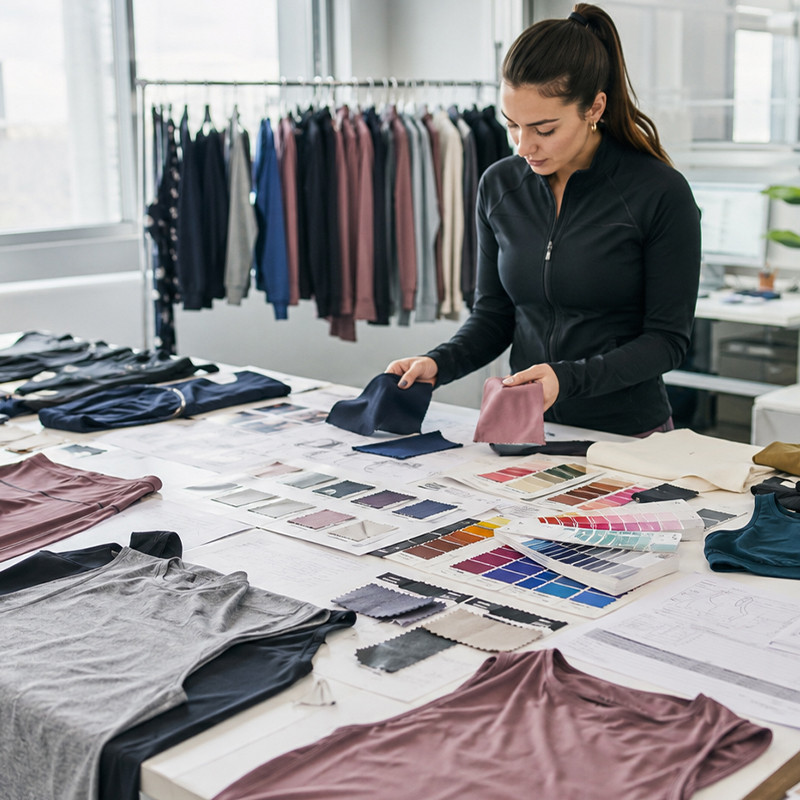
Choosing the best custom fitness apparel manufacturer in 2026 is not about finding the cheapest supplier. The right partner should provide reliable product development, stable fabric sourcing, accurate sampling, strict quality control, private label branding, and scalable bulk production. Brands that only compare unit price often face delayed shipments, poor fit consistency, fabric problems, and expensive production mistakes.
What Makes a Great Custom Fitness Apparel Manufacturer?
A great custom fitness apparel manufacturer does more than produce garments. It helps your brand turn product ideas into market-ready activewear with fewer development risks.
The right supplier should support fabric sourcing, pattern making, sampling, bulk production, quality control, custom branding, packaging, and international delivery.
If your brand needs one-stop support, working with a full-service custom activewear manufacturer can make the development process faster and more organized.
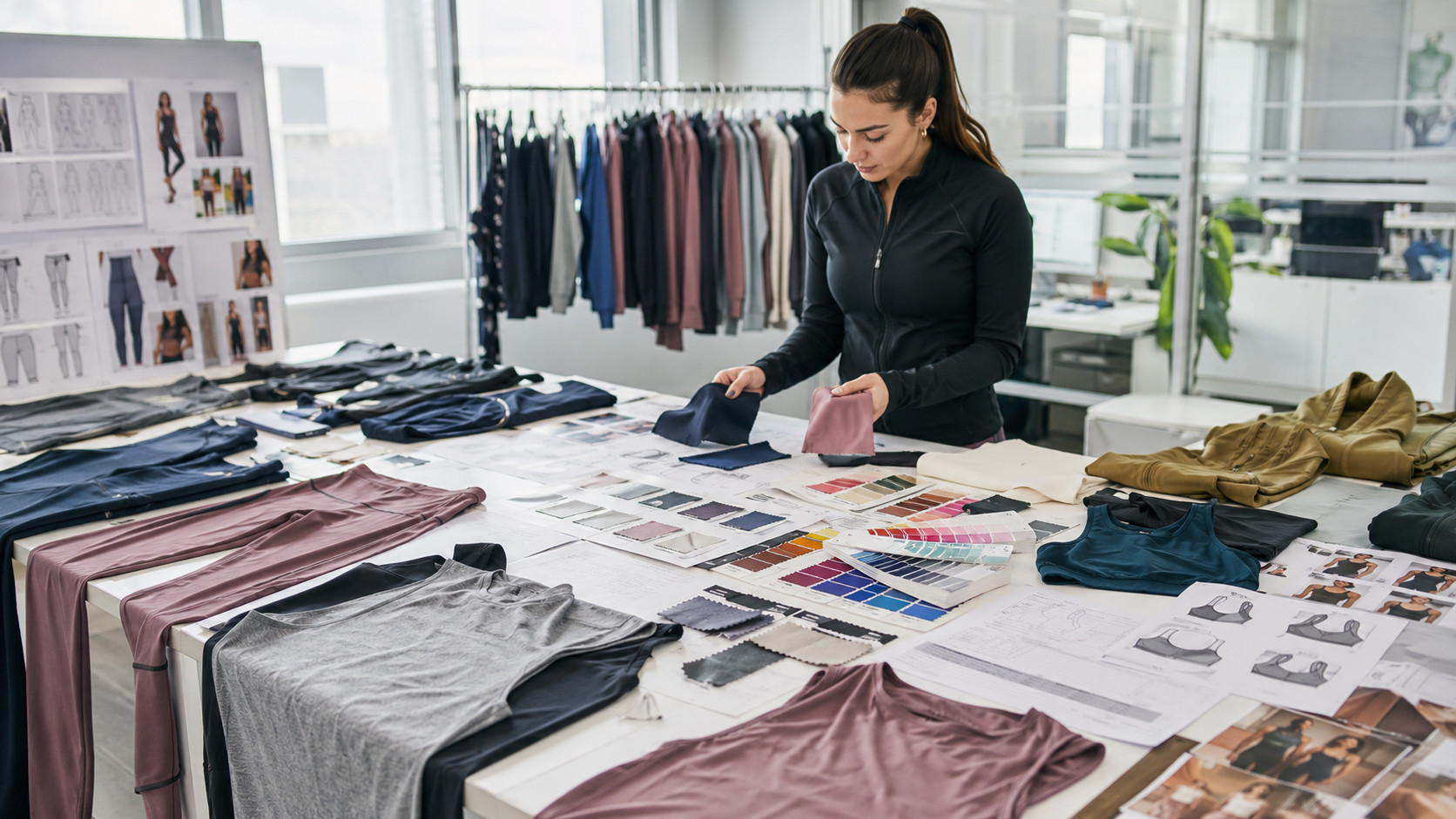
Why Is Manufacturing Experience More Important Than Low Pricing?
Low pricing can look attractive at the beginning, but poor manufacturing experience often creates higher costs later.
An experienced manufacturer understands stretch fabric behavior, activewear fit, seam durability, compression levels, shrinkage control, and performance fabric testing.
Quality management matters because consistent production reduces defects and improves product reliability. The International Organization for Standardization provides globally recognized quality management standards that many professional manufacturers use as a reference.
The best supplier is not always the cheapest supplier. The best supplier is the one that can produce consistent products, solve development problems early, and protect your brand reputation.
How Can You Evaluate Product Development Capability?
Product development capability determines whether your final collection looks professional, fits correctly, and performs well during real training.
Fabric Selection
Different fitness products require different fabric structures. Leggings need stretch recovery and squat-proof coverage. Sports bras need compression and support. Hoodies need comfort, stability, and shape retention.
A professional supplier should guide your brand through fabric options using a clear activewear fabric guide.
| Fabric Type | Main Benefits | Best For |
|---|---|---|
| Nylon Spandex | Soft hand feel, high stretch, strong recovery | Leggings, yoga sets, sports bras |
| Polyester Spandex | Durable, moisture-wicking, cost-effective | Training tops, gym wear, running apparel |
| Recycled Polyester | Sustainable option with good performance | Eco-conscious activewear collections |
| Ribbed Fabric | Premium texture, strong visual appeal | Yoga wear and lifestyle activewear |
| Bamboo Blends | Soft, breathable, comfortable | Loungewear and light activewear |
Pattern Development
A reliable manufacturer should develop patterns based on your measurements, target market, and fit requirements instead of using generic templates.
Sample Development
Sampling helps your brand confirm fit, fabric, logo placement, stitching, color, and finishing before bulk production.
You can also review the complete fitness apparel manufacturing process before starting production.
What Quality Control Systems Should a Manufacturer Have?
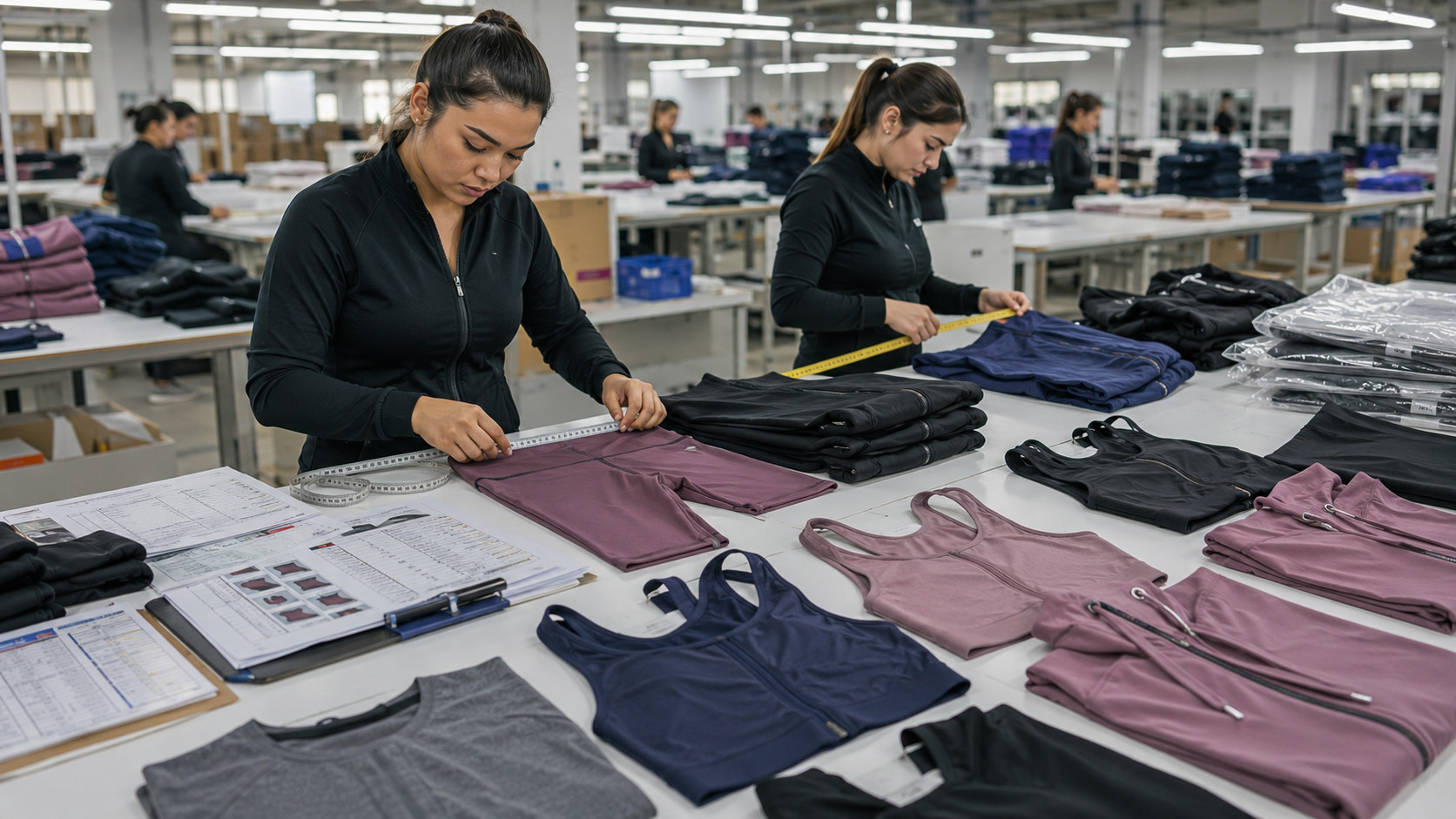
Quality control should happen before production, during production, and after production. Final inspection alone is not enough.
Raw Material Inspection
Fabric weight, color consistency, stretch performance, shrinkage, stains, and surface defects should be checked before cutting.
In-Line Inspection
Sewing quality, seam strength, measurements, logo placement, and workmanship should be checked during production.
Final Inspection
Finished garments should be checked for measurements, stitching, labels, packaging, stains, loose threads, and carton details.
Packaging Check
Polybags, hang tags, size labels, carton marks, and packing quantity should match the approved order details.
A clear quality control system helps reduce the risk of sample-to-bulk inconsistency.
For additional reference, ASTM International publishes recognized standards used across materials, textiles, testing, and product quality fields.
How Important Is Fabric Expertise in Fitness Apparel Manufacturing?
Fabric quality often determines whether customers reorder your products.
Performance fabrics affect comfort, stretch, recovery, compression, opacity, breathability, durability, and washing stability.
Before confirming bulk production, brands should review fabric selection options and test fabric performance based on the product category.
Key Fabric Questions to Ask
- Is the fabric squat-proof?
- Does the fabric pass stretch recovery testing?
- How much shrinkage occurs after washing?
- Can the supplier match Pantone colors?
- Is the fabric suitable for high-intensity training?
Sustainability is also becoming more important in activewear sourcing. Textile Exchange provides industry information related to preferred fibers, recycled materials, and responsible textile sourcing.
Can the Manufacturer Support Private Label Branding?
Private label branding helps your products look professional and increases customer recognition.
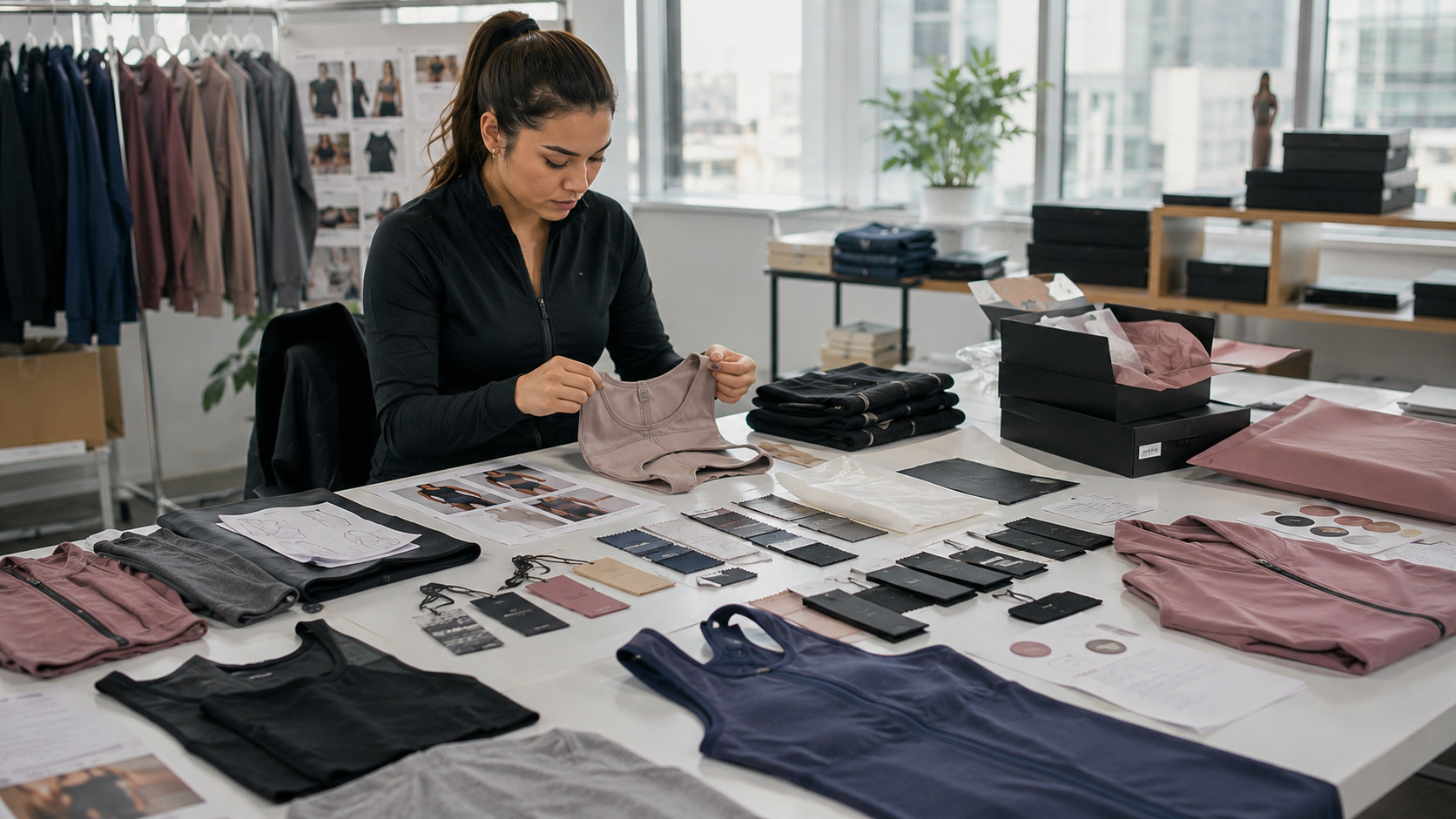
A capable supplier should provide woven labels, heat transfer labels, satin labels, hang tags, custom packaging, polybags, stickers, tissue paper, and shipping preparation.
Brands that need complete identity development should work with a manufacturer offering private label activewear solutions.
What Minimum Order Quantity Is Best for Growing Brands?
MOQ affects cash flow, inventory pressure, and product testing flexibility.
Startup brands usually need lower MOQ to test the market. Established brands may accept higher MOQ to reduce unit cost.
| Brand Stage | Suggested MOQ Range | Main Goal |
|---|---|---|
| Startup Brand | 50-100 pcs | Test product demand with lower inventory risk |
| Growing Brand | 100-300 pcs | Improve cost control and launch more styles |
| Established Brand | 300+ pcs | Scale production and improve pricing efficiency |
Extremely low MOQ may increase unit cost, so the best choice depends on your budget, sales plan, and launch strategy.
Which Product Categories Should a Manufacturer Be Able to Produce?
A manufacturer with multiple category capabilities helps your brand build a consistent collection without changing suppliers.
Women's Activewear
Women’s collections often include leggings, sports bras, yoga sets, crop tops, tank tops, jackets, and training apparel.
Men's Fitness Apparel
Men’s collections often include gym t-shirts, tank tops, shorts, hoodies, joggers, track pants, and training tops.
Yoga and Leggings
Yoga and leggings require strong fabric recovery, smooth seams, compression control, and squat-proof performance.
Explore custom yoga wear and custom leggings manufacturing.
Sports Bras and Training Tops
Sports bras require support, elastic stability, lining structure, and accurate sizing.
Explore custom sports bras and custom tank tops.
You can also review the full fitness apparel product range to plan a complete collection.
How Can You Assess Supply Chain Reliability?
Supply chain reliability affects delivery time, production stability, fabric availability, and customer satisfaction.
A dependable manufacturer should have backup material sources, organized production planning, clear shipment options, and transparent delay management.
Professional supply chain management is especially important during peak season, product launches, and repeat orders.
Questions to Ask Before Ordering
- Where are the main fabrics sourced?
- Are backup fabric suppliers available?
- How are production delays handled?
- What shipping methods are available?
- Can the supplier support repeat orders?
Red Flags to Avoid When Selecting a Custom Fitness Apparel Manufacturer
Choosing the wrong supplier can damage your launch timeline, product quality, customer reviews, and cash flow.
Unrealistically Low Pricing
Very low pricing may indicate poor fabric quality, weak stitching, limited QC, or hidden costs.
No Sampling Process
Skipping samples increases the risk of wrong sizing, poor fit, incorrect logo placement, and fabric problems.
Poor Communication
Slow replies before payment often become bigger problems during production.
No Quality Documentation
A professional supplier should explain inspection steps, measurement tolerance, packaging checks, and defect handling.
No Production Transparency
Reliable manufacturers are willing to explain their production process, factory capabilities, and order workflow.
Final Thoughts
The best custom fitness apparel manufacturer in 2026 should combine product development, fabric knowledge, sampling accuracy, quality control, private label branding, and reliable supply chain management.
Brands that evaluate suppliers based on long-term reliability instead of short-term pricing usually achieve better product quality, stronger customer retention, and more sustainable growth.
Before placing your first order, review the manufacturer’s development process, quality control system, fabric sourcing capability, branding services, and production communication.
Start Your Custom Fitness Apparel Project
If you are building a fitness apparel brand, choose a manufacturer that can support your products from fabric selection and sampling to private label packaging and bulk production.
Visit Ohsurewear```