How to Choose the Best Custom Gym Clothing Manufacturer for Your Activewear Brand
- Share
- Issue Time
- Jun 3,2026
Summary
Learn how to select the best custom gym clothing manufacturer for your activewear brand. Discover tips on fabric expertise, product customization, quality control, MOQ, supply chain reliability, and communication.
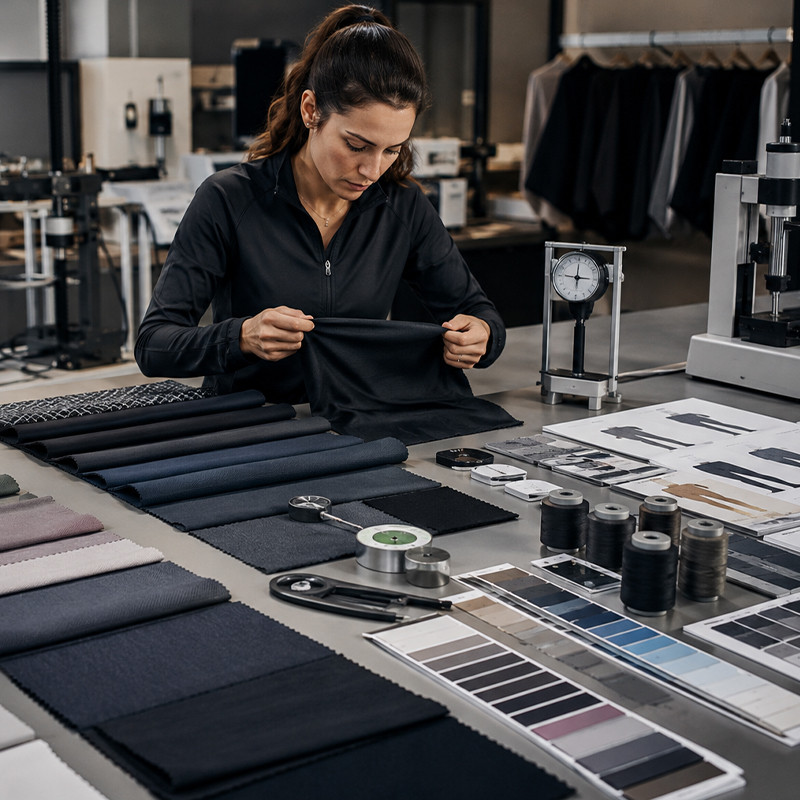
Choosing the best custom gym clothing manufacturer comes down to five factors: product quality, fabric expertise, customization capabilities, production reliability, and communication efficiency.
The right manufacturing partner helps you create high-quality activewear, maintain consistent product standards, scale production smoothly, and protect your brand reputation. The wrong partner can lead to delayed shipments, inconsistent sizing, poor fabric performance, and unhappy customers.
If you are launching or scaling an activewear brand, this guide will show you exactly what to evaluate before selecting a custom gym clothing manufacturer.
Why Does Choosing the Right Custom Gym Clothing Manufacturer Matter?
A manufacturer is more than a supplier. They directly influence your product quality, customer satisfaction, and long-term profitability.
For activewear brands, performance expectations are high. Customers expect:
- Comfortable fit
- Durable stitching
- Moisture-wicking fabrics
- Stretch and recovery performance
- Consistent sizing
- Professional branding
A manufacturing mistake can damage customer trust and increase return rates.
According to Google's guidance on creating helpful content, businesses should prioritize expertise, experience, and reliability when evaluating service providers and content sources. You can review Google's recommendations in its Helpful Content Guidelines.
What Manufacturing Experience Should You Look For?
Not every apparel factory understands activewear production.
Look for Activewear-Specific Experience
Ask potential manufacturers:
- How many years have they produced activewear?
- Which activewear categories do they manufacture?
- Have they worked with startup brands?
- Do they produce for established fitness brands?
A specialized Custom Activewear Manufacturer will typically have more experience with performance fabrics and technical garment construction.
Review Previous Projects
Request examples of gym leggings, sports bras, compression tops, tank tops, gym hoodies, and training shorts. A manufacturer's portfolio often reveals their actual capabilities.
Can the Manufacturer Support Full Product Customization?
Customization is what separates your brand from competitors.
OEM Manufacturing
OEM production allows you to manufacture products based on your own designs and tech packs. This option is ideal for brands seeking complete control over product development. Learn more about OEM activewear manufacturing solutions.
Private Label Services
Private label manufacturing allows brands to customize existing products with logos, labels, hang tags, and packaging. A reliable Private Label Activewear Manufacturer can simplify product launches.
Branding Capabilities Checklist
| Feature | Importance |
|---|---|
| Woven Labels | Brand identity |
| Heat Transfer Logos | Professional appearance |
| Custom Hang Tags | Retail presentation |
| Packaging | Customer experience |
| Care Labels | Compliance requirements |
How Important Is Fabric Expertise?
Fabric quality often determines whether customers reorder or request refunds. For activewear, fabric performance is critical.
Evaluate Fabric Knowledge
A professional manufacturer should understand nylon-spandex blends, polyester-spandex blends, compression fabrics, moisture-wicking fabrics, four-way stretch materials, and recycled fabrics. Review their Fabric Guide.
Ask About Fabric Testing
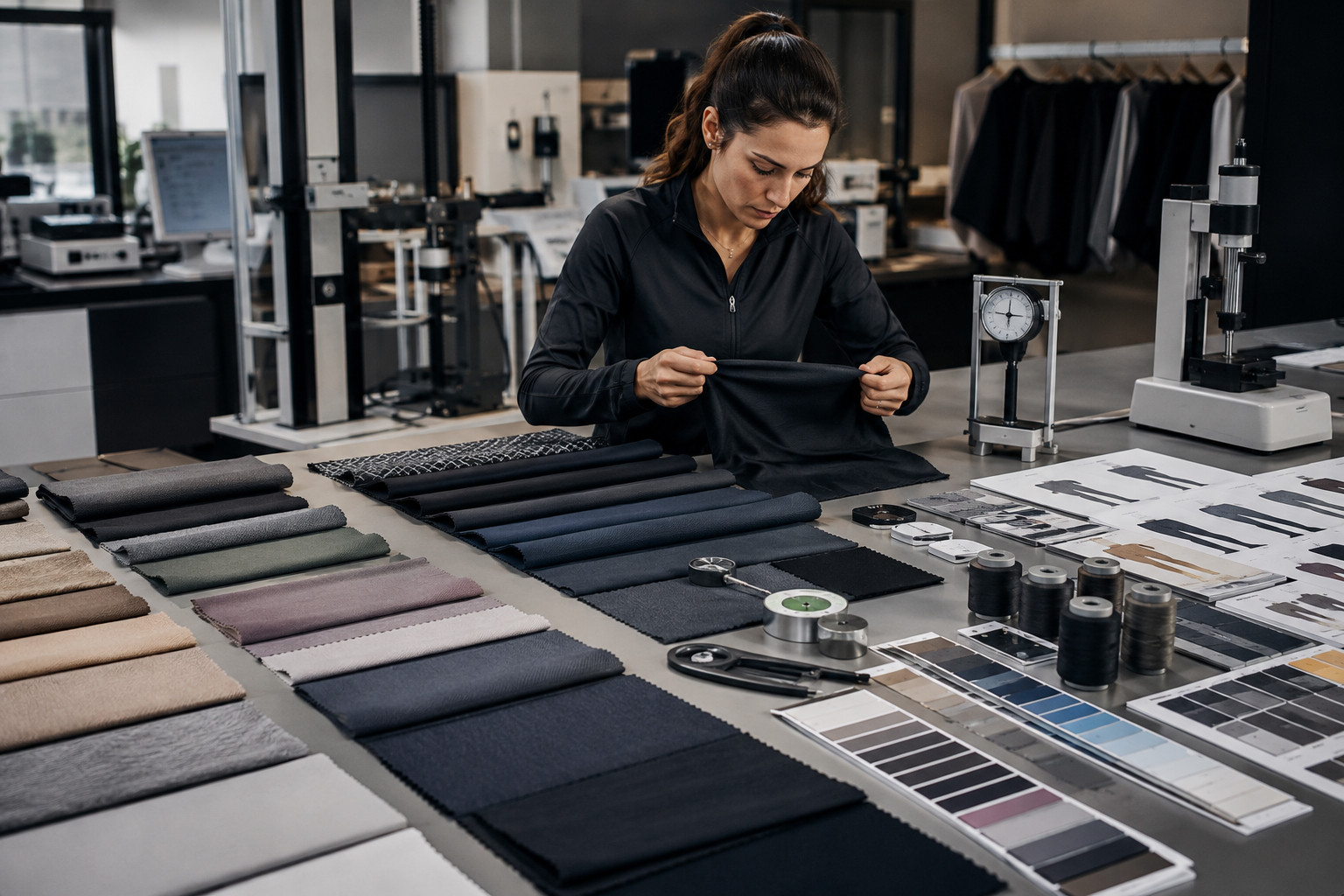
Quality manufacturers should test stretch recovery, color fastness, shrinkage, pilling resistance, and moisture management. Industry standards such as those published by ASTM International provide recognized benchmarks.
Does the Manufacturer Have Strong Quality Control Systems?
Quality control is one of the most overlooked factors when selecting a gym clothing manufacturer. Many production issues originate from weak inspection procedures.
Evaluate Their QC Process
Fabric Inspection
Checks: Fabric defects, color consistency, fabric weight, material composition.
In-Line Production Inspection
Checks: Stitch quality, construction accuracy, measurement consistency.
Final Inspection
Checks: Logo placement, packaging accuracy, product measurements, appearance standards.
Review the manufacturer's Quality Control Process.
| Inspection Stage | Purpose |
|---|---|
| Fabric Inspection | Prevent material defects |
| In-Line Inspection | Catch issues early |
| Final Inspection | Ensure shipment quality |
| Packaging Inspection | Reduce fulfillment errors |
Can the Manufacturer Handle Your Product Categories?
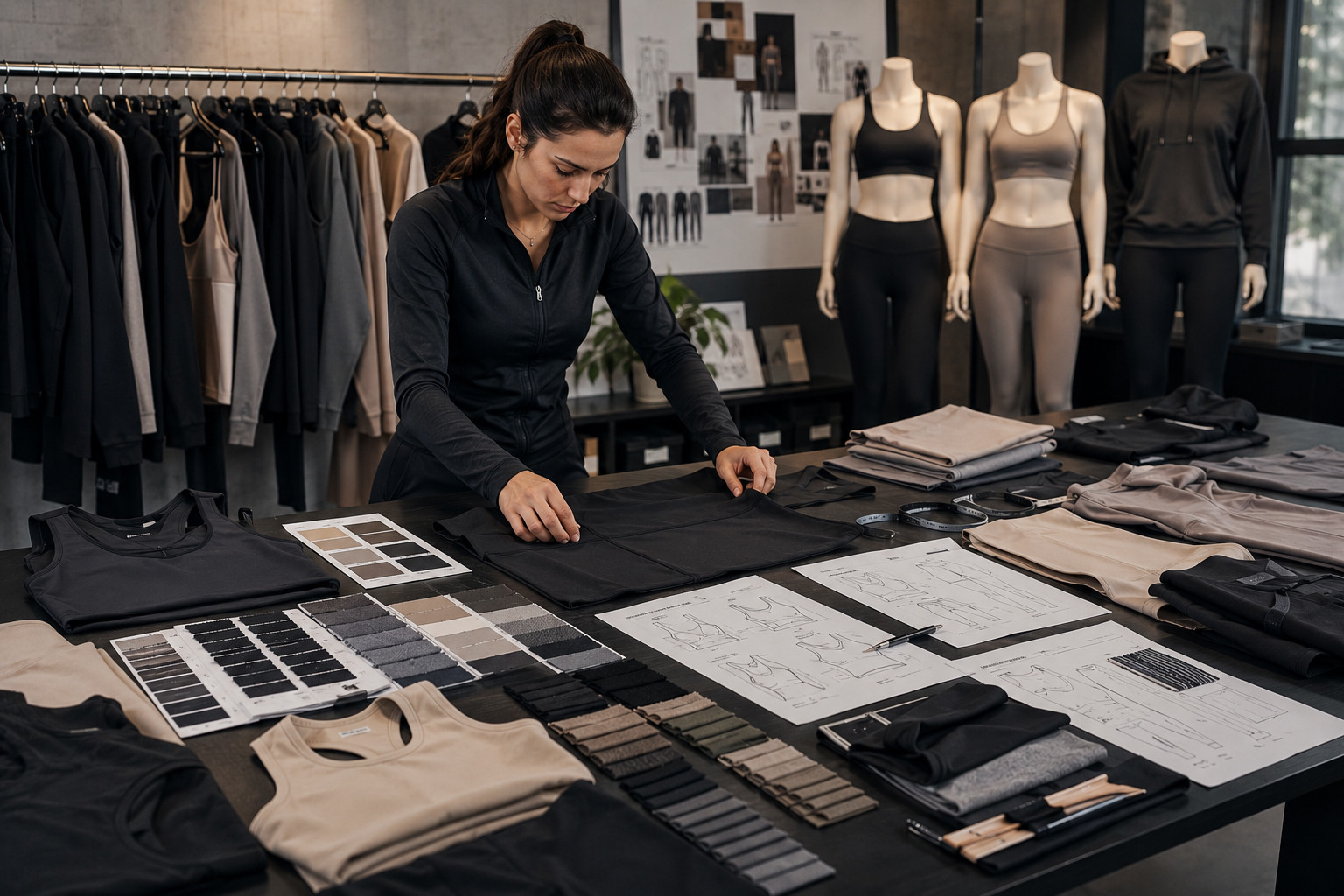
Many factories specialize in specific activewear categories. Choose a partner capable of supporting future product expansion.
- Custom Gym Wear
- Custom Leggings
- Custom Sports Bras
- Custom Tank Tops
- Custom T-Shirts
- Custom Hoodies
- Custom Track Pants
What Are the Manufacturer's MOQ and Production Lead Times?
MOQ and lead time directly affect inventory planning and cash flow.
Minimum Order Quantity (MOQ)
Ask about MOQ per style, mixed sizes, mixed colors, and sample orders. Startups benefit from lower MOQs.
Production Lead Times
| Production Stage | Typical Lead Time |
|---|---|
| Sampling | 7-14 Days |
| Material Preparation | 7-10 Days |
| Bulk Production | 25-45 Days |
| Shipping | 5-35 Days |
How Important Is Supply Chain Stability?
Reliable supply chains help avoid fabric shortages, delayed production, shipping disruptions, and inventory gaps.
Questions to Ask
- Do they have long-term fabric suppliers?
- Can they source specialty fabrics?
- How do they handle material shortages?
- What shipping methods do they offer?
Review the manufacturer's Supply Chain Management Process.
How Can You Evaluate Communication and Customer Support?
Poor communication is a common reason brands switch manufacturers.
- Response speed
- Technical knowledge
- Problem-solving ability
- Transparency
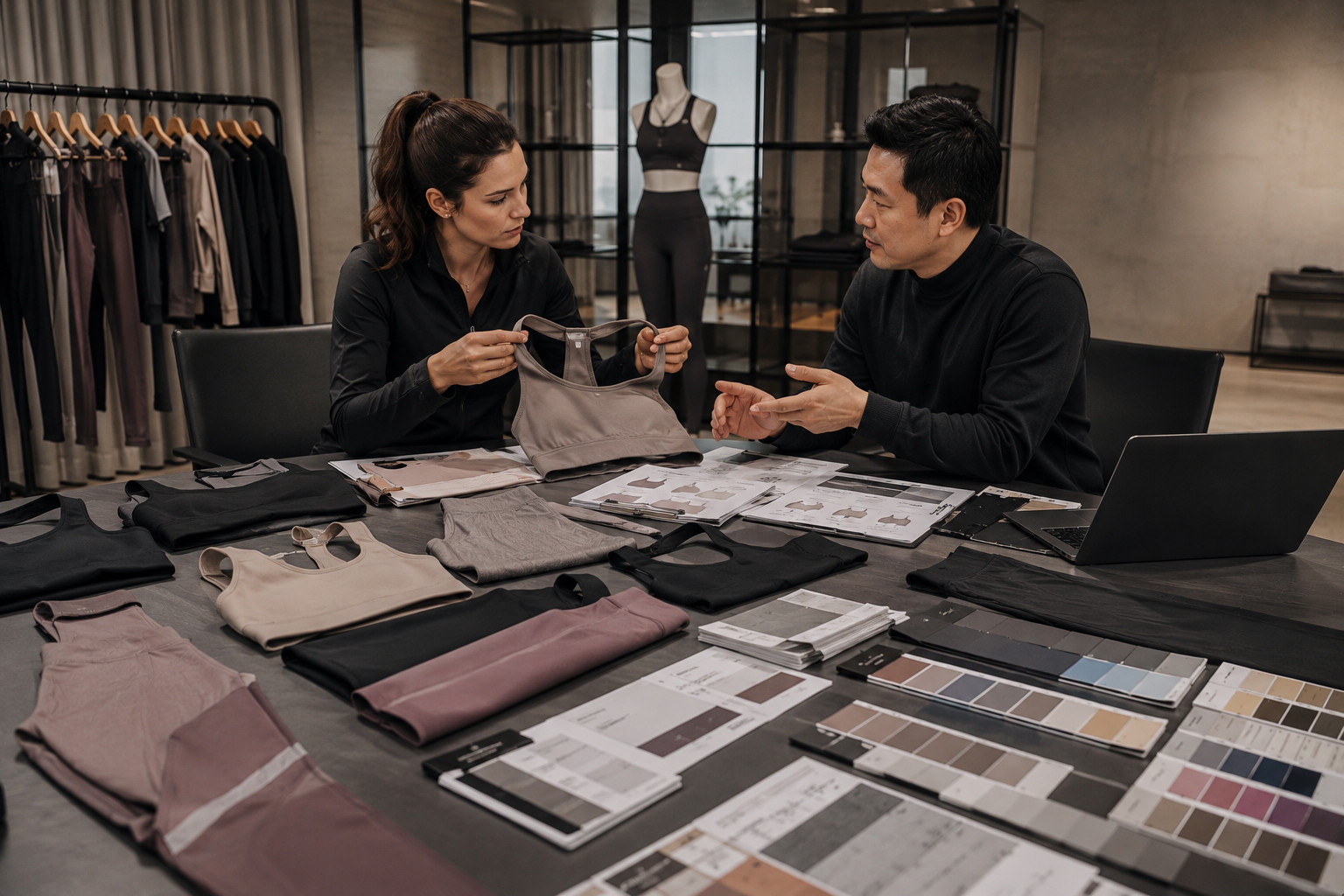
Reliable manufacturers provide updates during sampling, production, QC, and shipment preparation. Look for development support such as fabric recommendations, fit adjustments, and cost optimization.
What Red Flags Should You Avoid?
Avoid manufacturers that refuse audits, cannot provide production photos, have inconsistent communication, lack QC procedures, offer unrealistically low prices, or cannot explain their process.
Should You Request Samples Before Bulk Production?
Yes. Never place a bulk order without approving a production sample.
Sample Evaluation Checklist
- Fabric quality
- Stretch performance
- Stitching durability
- Fit consistency
- Logo quality
- Packaging presentation
For additional testing recommendations, see AATCC textile testing standards.
Final Thoughts
The best custom gym clothing manufacturer is not necessarily the cheapest. The right partner delivers quality, reliable communication, fabric expertise, customization flexibility, and scalable production support.
Before deciding, evaluate: activewear manufacturing experience, fabric expertise, QC systems, customization capabilities, MOQ, supply chain stability, communication quality, and sample accuracy.
Taking time to assess these factors will help build a stronger activewear brand and avoid costly manufacturing mistakes.