How to Choose the Right Tank T Shirt Manufacturer for Your Clothing Brand
- Share
- Issue Time
- Jul 16,2026
Summary
Learn how to choose the right tank T shirt manufacturer for your clothing brand. Compare fabric sourcing, MOQ, sampling, quality control, OEM, private label services, production capacity and supply chain reliability.
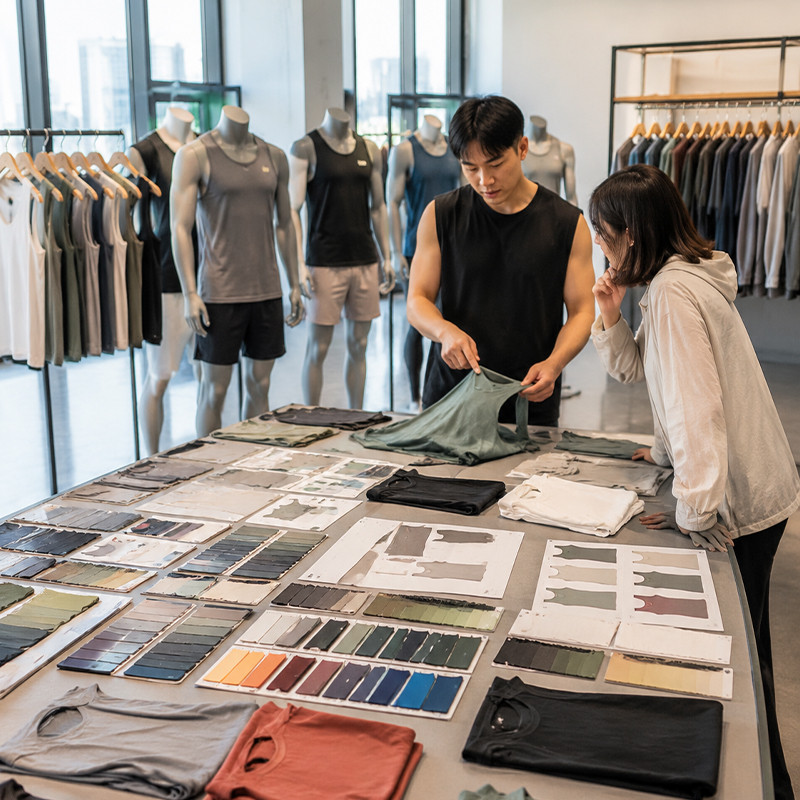
Launching a successful clothing brand starts with choosing the right manufacturing partner. Whether you are creating fitness apparel, casual basics or a private label collection, your tank T shirt manufacturer will directly affect product quality, production efficiency, customer satisfaction and long-term profitability.
Not every supplier provides the same level of product development, fabric sourcing, quality control or production flexibility. This guide explains what clothing brands should evaluate before selecting a tank top manufacturing partner and how to avoid common sourcing mistakes.
What Does a Tank T Shirt Manufacturer Do?
A professional tank T shirt manufacturer produces sleeveless garments for clothing brands, wholesalers, retailers, gyms and e-commerce businesses. The supplier may manufacture casual cotton tanks, gym tank tops, performance training tops and private label fashion basics.
Experienced manufacturers do more than sew finished garments. They help brands convert ideas, reference samples or technical documents into products that can be manufactured consistently at scale.
Product Development
Design support, technical specification review, pattern development and sample creation.
Fabric Sourcing
Material recommendations, fabric swatches, color matching and performance fabric selection.
Custom Branding
Logo printing, embroidery, woven labels, hang tags and customized packaging.
Bulk Manufacturing
Material purchasing, cutting, sewing, inspection, packing and international delivery.
A full-service supplier may also provide size grading, measurement charts, packaging development, quality inspection and export support. This allows brands to manage development and manufacturing through one production partner.
Define Your Product Before Contacting Manufacturers
Manufacturers can provide more accurate prices, lead times and development recommendations when your product requirements are clearly defined. A vague request such as “I need custom tank tops” leaves important variables unanswered.
Before contacting a supplier, prepare information about the intended customer, garment use, fabric, fit, quantity, color, branding and packaging. These details help the factory determine whether it has the correct materials, machinery and production experience.
Identify the Target Market
The intended wearer influences nearly every development decision. A performance tank top for runners requires different material and construction than a heavyweight cotton tank designed for a streetwear collection.
- Gym and fitness customers
- Yoga and studio training customers
- Running and outdoor sports customers
- Streetwear and lifestyle customers
- Fashion retail and e-commerce buyers
Determine the Fabric Requirements
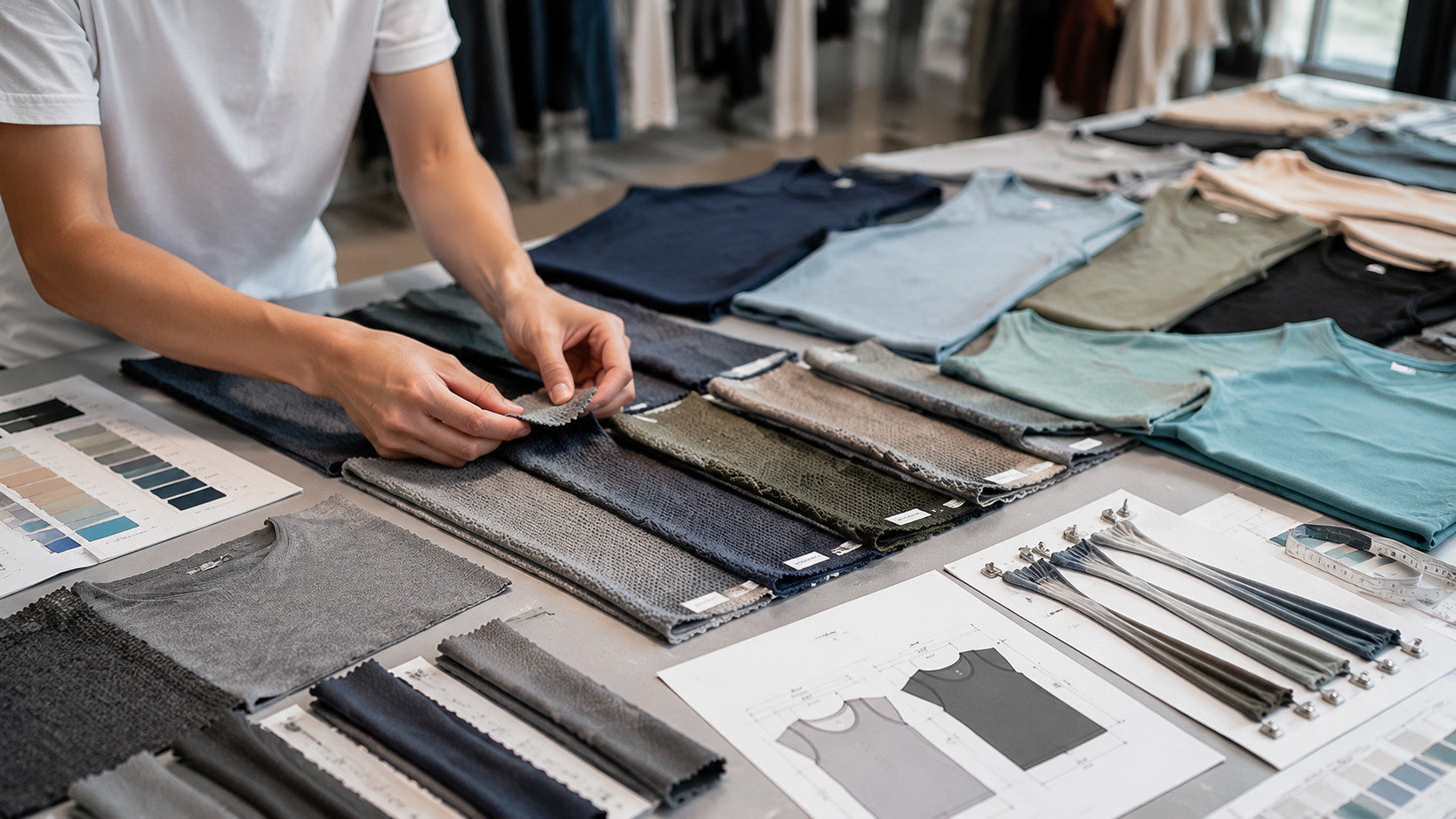
Fabric composition, weight and stretch affect the appearance, comfort and performance of the final garment. The manufacturer should explain how each material behaves rather than simply offering the cheapest available option.
| Fabric | Best Application | Main Characteristics |
|---|---|---|
| Cotton | Casual tank tops | Soft, breathable and suitable for everyday collections |
| Cotton Spandex | Fitted lifestyle tanks | Natural hand feel with improved stretch and recovery |
| Polyester | Sports and training tops | Lightweight, quick drying and durable |
| Recycled Polyester | Sustainable activewear | Performance properties with recycled content options |
| Nylon Spandex | Premium activewear | Smooth hand feel, strong stretch and good shape retention |
| Bamboo Blend | Soft lifestyle apparel | Soft touch, fluid drape and comfortable wear |
Clothing brands can review the activewear fabric guide and fabric selection service before confirming materials for sample development.
Evaluate the Manufacturer's Production Experience
Manufacturing experience influences fit consistency, sewing quality, problem-solving and production reliability. A factory that regularly manufactures performance tank tops will usually understand stretch materials and activewear construction better than a general garment supplier.
Ask the manufacturer whether it has produced similar silhouettes, fabrics and order volumes. Relevant experience is more valuable than a broad claim that the factory can manufacture every type of garment.
Questions to Ask the Manufacturer
- How many years have you manufactured tank tops or activewear?
- Have you produced similar styles for international clothing brands?
- Can you provide photos or videos of your production facility?
- Can you show comparable fabric, stitching or sample examples?
- Do you manufacture the garments directly or outsource production?
- How many production lines and workers are available?
Activewear production may require flatlock stitching, coverstitch construction, stretch thread, moisture-wicking materials and precise measurement control. A specialized supplier is more likely to understand these requirements.
Review the factory's manufacturing process and production capabilities before submitting a sample or bulk order.
Check the Manufacturer's Fabric Sourcing Capabilities
Fabric sourcing is one of the most important parts of tank top development. Even a well-designed pattern cannot produce a successful garment when the fabric has poor recovery, inconsistent color, excessive shrinkage or the wrong weight.
Reliable manufacturers maintain relationships with textile mills and material suppliers. These relationships help the factory source suitable materials, obtain more stable pricing and replace unavailable fabrics when necessary.
Useful Fabric Services
- Stock fabric recommendations
- Fabric swatches and sample yardage
- Pantone color matching
- Custom fabric dyeing
- Recycled and sustainable material sourcing
- Moisture-wicking and quick-dry finishes
- Fabric weight, shrinkage and colorfastness testing
A manufacturer should explain how fabric MOQ, color MOQ and custom dyeing affect the total order quantity. This information helps the brand avoid unexpected material costs after sample approval.
Understand the Sampling Process Before Bulk Production
Sampling allows the brand and manufacturer to confirm the fit, fabric, workmanship, color and branding before bulk production begins. Sample development is therefore a risk-control process rather than an unnecessary extra cost.
A professional manufacturer should clearly explain the sample fee, development timeline, revision policy and approval process. The brand should not approve bulk production until all important details have been confirmed.
Typical Sample Development Stages
- Review the tech pack, reference sample or product concept.
- Select fabric, color, trims and branding methods.
- Develop or adjust the garment pattern.
- Produce the first prototype or fit sample.
- Review measurements, fit and construction.
- Revise the pattern or workmanship when required.
- Approve the final pre-production sample.
Clear product specifications also help search users and buyers understand what a business provides. The Google Search product documentation explains how complete product information can help search engines interpret commercial pages.
Review the Manufacturer's Quality Control Procedures
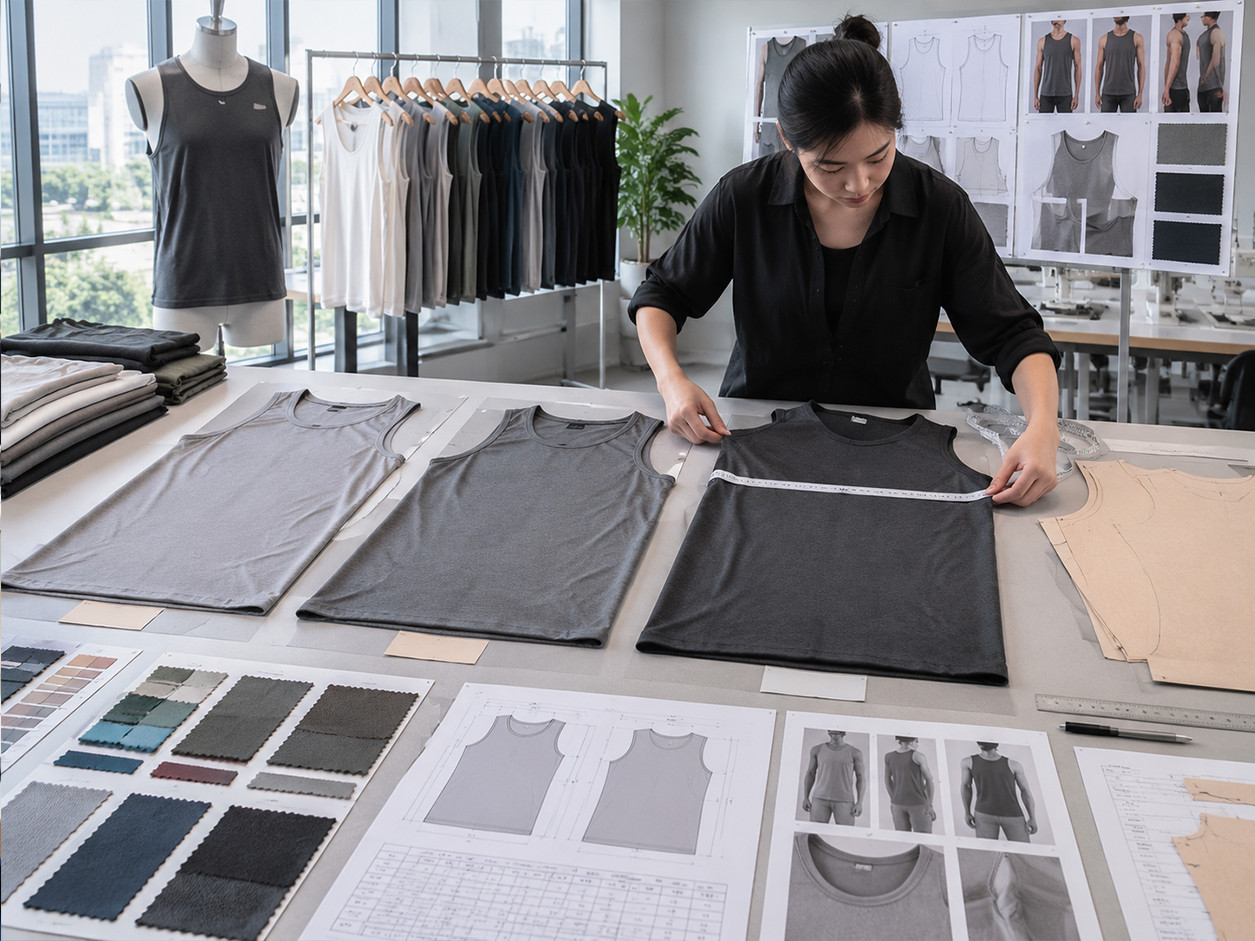
Quality inspection should happen throughout production instead of being delayed until all garments are finished. Detecting a measurement or stitching problem during sewing is less expensive than discovering it after the full order has been packed.
Incoming Fabric Inspection
The factory should inspect fabric color, visible defects, weight, width, shrinkage and quantity before cutting. Fabric rolls should also be separated when noticeable shade differences exist.
In-Line Production Inspection
In-line inspection checks stitching, measurements, seam construction, logo placement and workmanship while the order is being produced. Corrective action can then be taken before the same issue affects the entire order.
Final Inspection
Finished garments should be checked for measurements, stains, loose threads, skipped stitches, incorrect labels and packaging mistakes. The inspection standard should be agreed upon before production.
The ISO 9001 quality management framework provides internationally recognized principles for process control and continual improvement. Brands can also review Ohsurewear's garment quality control process.
Ask About Minimum Order Quantity and Pricing
Minimum order quantity, commonly called MOQ, determines the smallest production quantity a manufacturer will accept. MOQ may be calculated by style, color, fabric or total order quantity.
Startups often prefer lower MOQs because smaller orders reduce inventory exposure. However, very small production runs may have higher unit costs because fabric purchasing, pattern development, cutting and setup expenses are spread across fewer garments.
| Brand Stage | Example Order Size | Main Objective |
|---|---|---|
| Startup Brand | Approximately 100 pieces | Test demand and reduce initial inventory risk |
| Growing Brand | Approximately 300–500 pieces | Improve unit pricing and maintain regular stock |
| Established Retailer | 1,000 pieces or more | Support broader distribution and larger sales volume |
Ask whether the MOQ can be divided across sizes and whether different colors require separate fabric quantities. These details can significantly change the total order requirement.
Brands seeking faster development and flexible branding can review private label activewear services.
Compare OEM and Private Label Manufacturing
OEM and private label manufacturing support different product strategies. The right option depends on the brand's development budget, launch schedule, design requirements and desired level of exclusivity.
| Private Label Manufacturing | OEM Manufacturing |
|---|---|
| Uses existing or previously developed styles | Develops products according to custom specifications |
| Usually provides a faster launch process | Usually requires more sample development |
| Lower development cost | Higher development investment |
| Suitable for startups and market testing | Suitable for distinctive or proprietary designs |
| Branding and packaging can still be customized | Fabric, fit, construction and details can be customized |
Many new brands begin with private label products to enter the market more quickly. As the business grows, the brand may move toward OEM development to create more distinctive fits, materials and construction details.
Learn more about working with a custom activewear manufacturer for OEM, ODM and private label production.
Evaluate Supply Chain Stability and Production Capacity
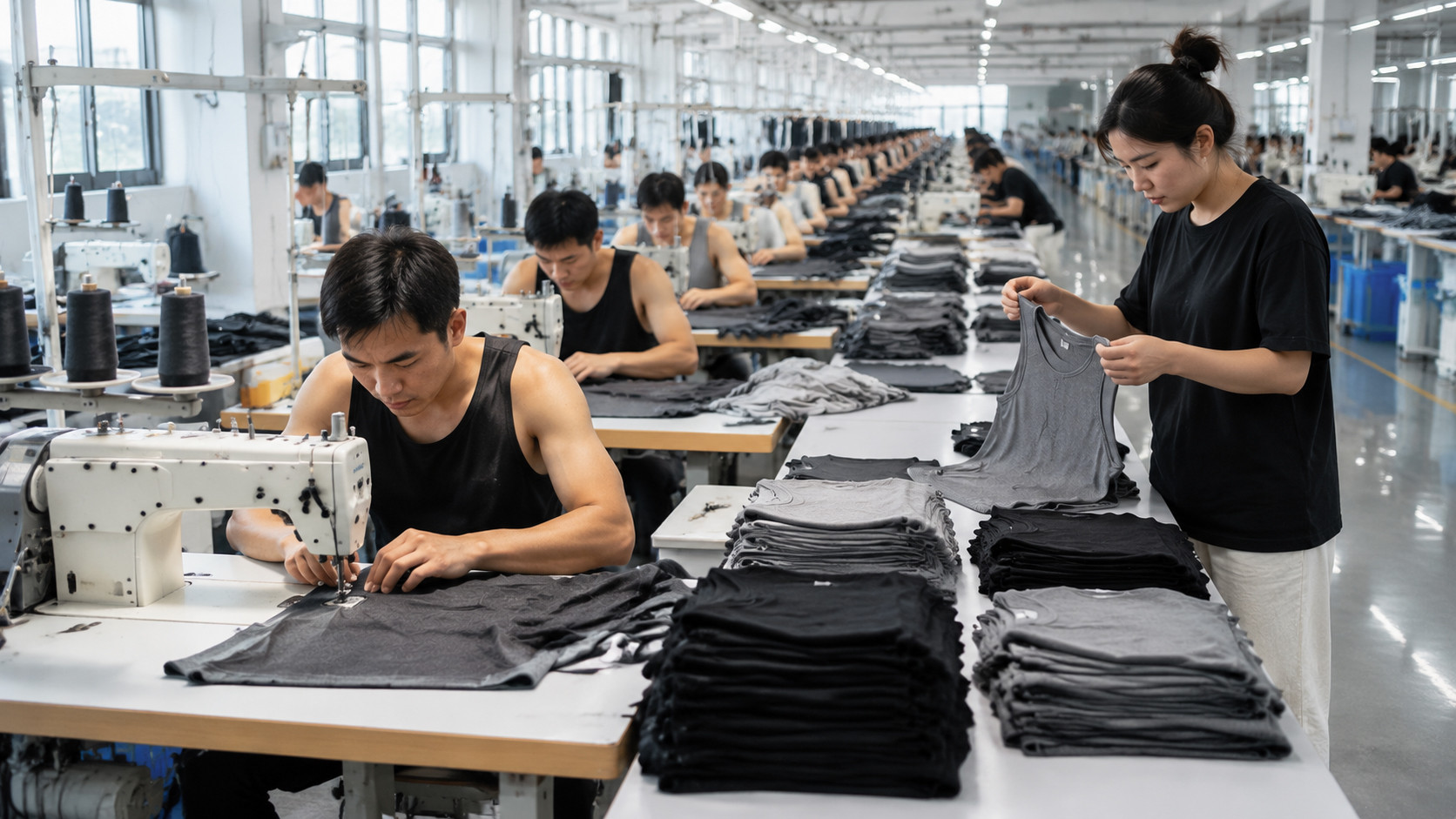
A reliable supply chain helps reduce fabric shortages, production delays and inconsistent quality. The manufacturer should have established sources for fabric, thread, elastic, labels, packaging and other trims used in the order.
Production capacity should also match the brand's expected growth. A supplier may be suitable for an initial order but unable to support seasonal demand or larger repeat orders.
Supply Chain Questions to Ask
- Does the company operate its own production facility?
- Which processes are completed in-house?
- How many sewing lines are available?
- Are common activewear fabrics regularly available?
- Does the factory have alternative fabric and trim suppliers?
- How does the factory manage peak-season production?
- What delivery methods and trade terms are available?
Review the manufacturer's activewear supply chain management to understand how materials, production and delivery are coordinated.
Choose a Manufacturer That Can Support Product Expansion
A clothing brand may begin with tank tops and later expand into sports bras, leggings, T-shirts, hoodies or complete activewear sets. Working with a manufacturer that supports several categories can simplify future development.
Using one production partner can also make it easier to coordinate fabrics, colors, labels, packaging and quality standards across a complete collection.
What Red Flags Should Clothing Brands Avoid?
Price should not be the only factor used to select a tank T shirt manufacturer. An unusually low quotation may exclude fabric quality, packaging, testing, quality inspection or important construction details.
Communication during the inquiry and sample stage often predicts how the supplier will manage bulk production. A reliable manufacturer should provide clear answers, realistic timelines and written confirmation of important product details.
Frequently Asked Questions
What is a suitable MOQ for a startup clothing brand?
An MOQ of approximately 100 pieces per color and style can help a startup test demand without carrying excessive inventory. The exact requirement depends on fabric availability, custom dyeing, construction and branding.
How long does tank top sampling usually take?
A standard sample may require approximately 7–15 days after fabric and specifications are confirmed. Complex patterns, custom fabrics, special trims or several revisions may extend the development timeline.
How long does bulk manufacturing take?
Bulk production commonly takes approximately 25–40 days after the pre-production sample, fabric and order details are approved. The actual timeline depends on quantity, season, material availability and construction complexity.
Can one manufacturer produce several activewear categories?
Yes. A full-service activewear manufacturer may produce tank tops, T-shirts, sports bras, leggings, hoodies, shorts, jackets and track pants. This can help brands maintain consistent colors, materials and quality standards.
Is private label better than OEM manufacturing?
Private label is often suitable for startups that need a faster launch with lower development costs. OEM manufacturing is generally more appropriate when the brand requires an original pattern, exclusive construction or fully customized product.
What information should I send when requesting a quotation?
Send a tech pack, reference images or garment sample together with the required fabric, quantity, colors, size range, logo method, packaging and target delivery date. Complete information allows the manufacturer to provide a more accurate quotation.
Choose a Manufacturing Partner That Supports Long-Term Growth
Choosing the right tank T shirt manufacturer involves more than comparing unit prices. The best production partner should provide suitable fabric options, reliable sample development, transparent communication, consistent quality control and enough production capacity to support future growth.
By evaluating factory experience, fabric sourcing, MOQ, sampling, quality systems and supply chain stability, clothing brands can reduce production risk and build a stronger foundation for a successful product collection.