How to Find the Best Private Label Yoga Leggings Manufacturer for Your Brand
- Share
- Issue Time
- May 13,2026
Summary
Learn how to choose the best private label yoga leggings manufacturer for your brand. Compare MOQ, fabrics, quality control, OEM vs ODM, production timelines, and activewear manufacturing expertise for scalable growth.
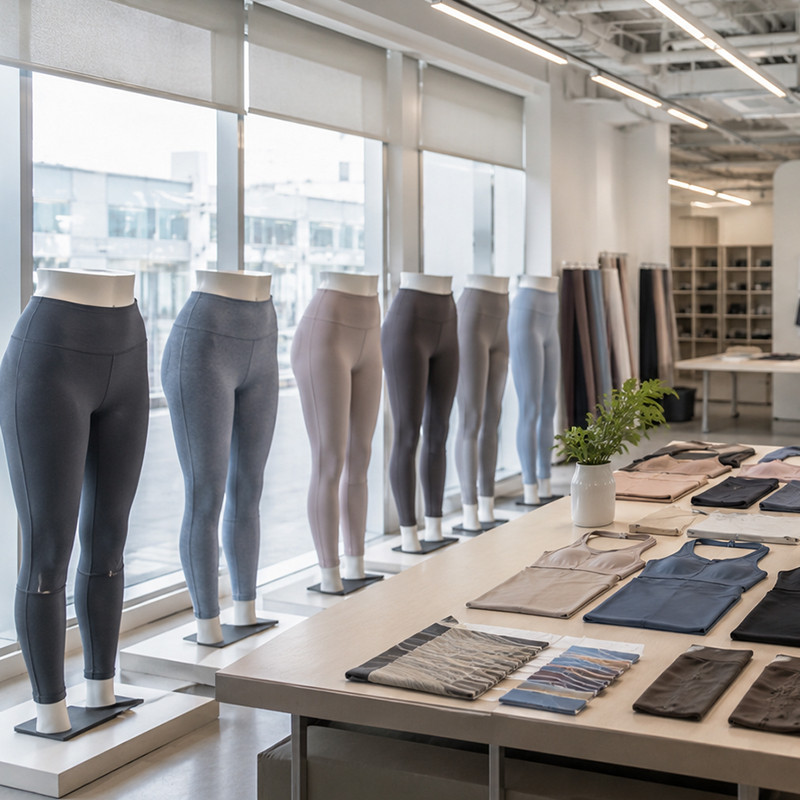
The global activewear market continues to grow rapidly, and yoga leggings remain one of the highest-demand categories in women’s sportswear. However, many startup and scaling brands struggle with unreliable suppliers, inconsistent quality, delayed production, and leggings that fail wear tests after bulk manufacturing.
Choosing the right private label yoga leggings manufacturer directly affects:
• Product quality
• Customer retention
• Brand reputation
• Inventory risk
• Profit margins
• Production scalability
This guide explains how to evaluate, compare, and select a reliable yoga leggings manufacturing partner for long-term brand growth.
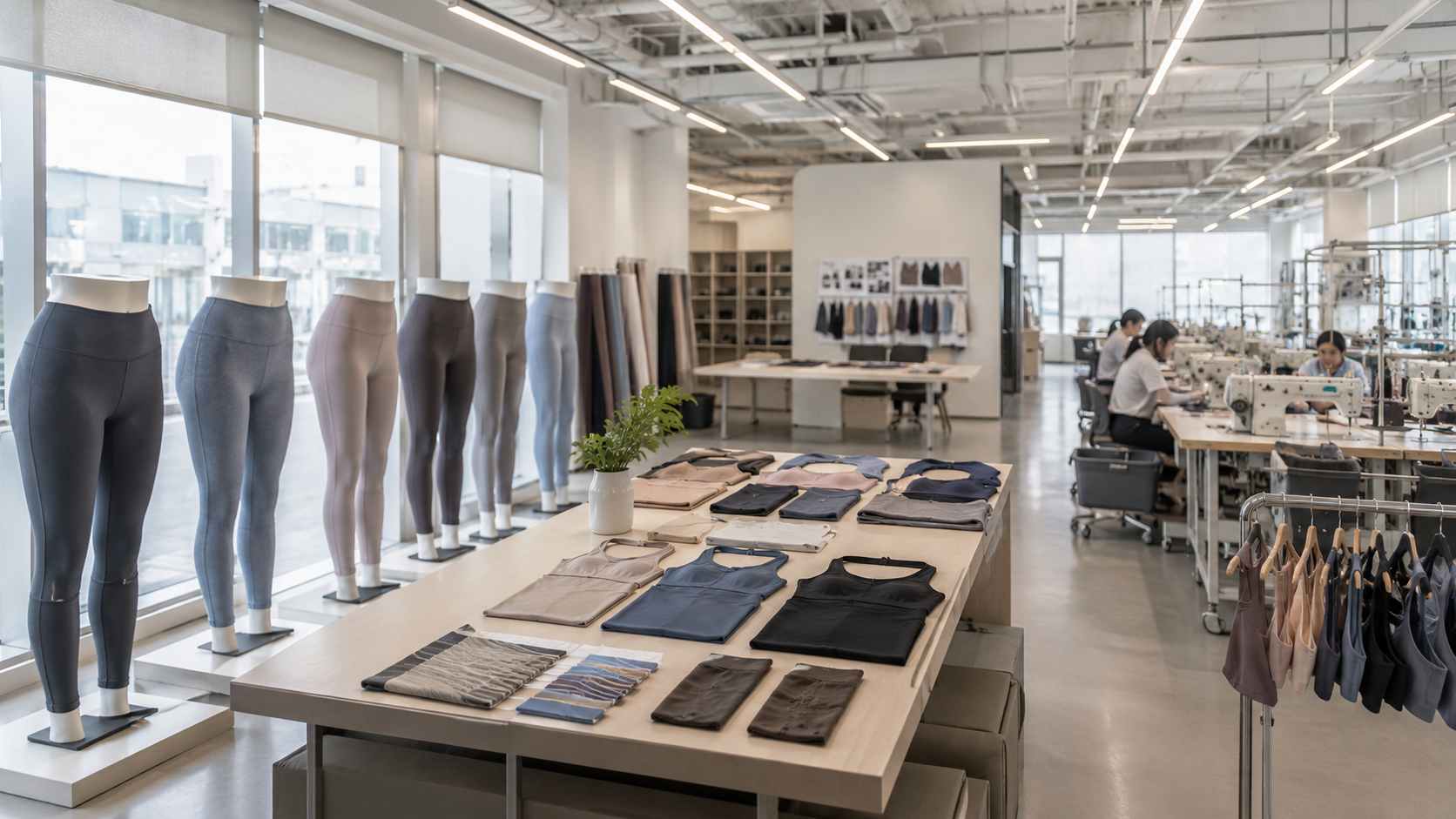
What Does a Private Label Yoga Leggings Manufacturer Actually Do?
A private label yoga leggings manufacturer develops and produces leggings that carry your brand label instead of the factory’s branding.
Most professional manufacturers provide:
• Fabric sourcing
• Pattern development
• Sampling
• Custom dyeing
• Logo application
• Packaging
• Size grading
• Bulk production
• Quality control
• Global shipping support
Unlike wholesalers, private label manufacturers allow brands to customize products based on:
Customization Area | Available Options |
Fabric | Nylon/spandex, polyester/spandex, brushed fabric, seamless fabric |
| Fit | High-waist, scrunch butt, compression, flare leggings |
Branding | Silicone logo, heat transfer, woven labels |
| Colors | Pantone color matching |
| Stitching | Flatlock seams, reinforced seams |
| Packaging | Polybags, custom boxes, hangtags |
Brands looking for full OEM/ODM support often work with specialized Custom Activewear Manufacturer partners instead of generic apparel suppliers.
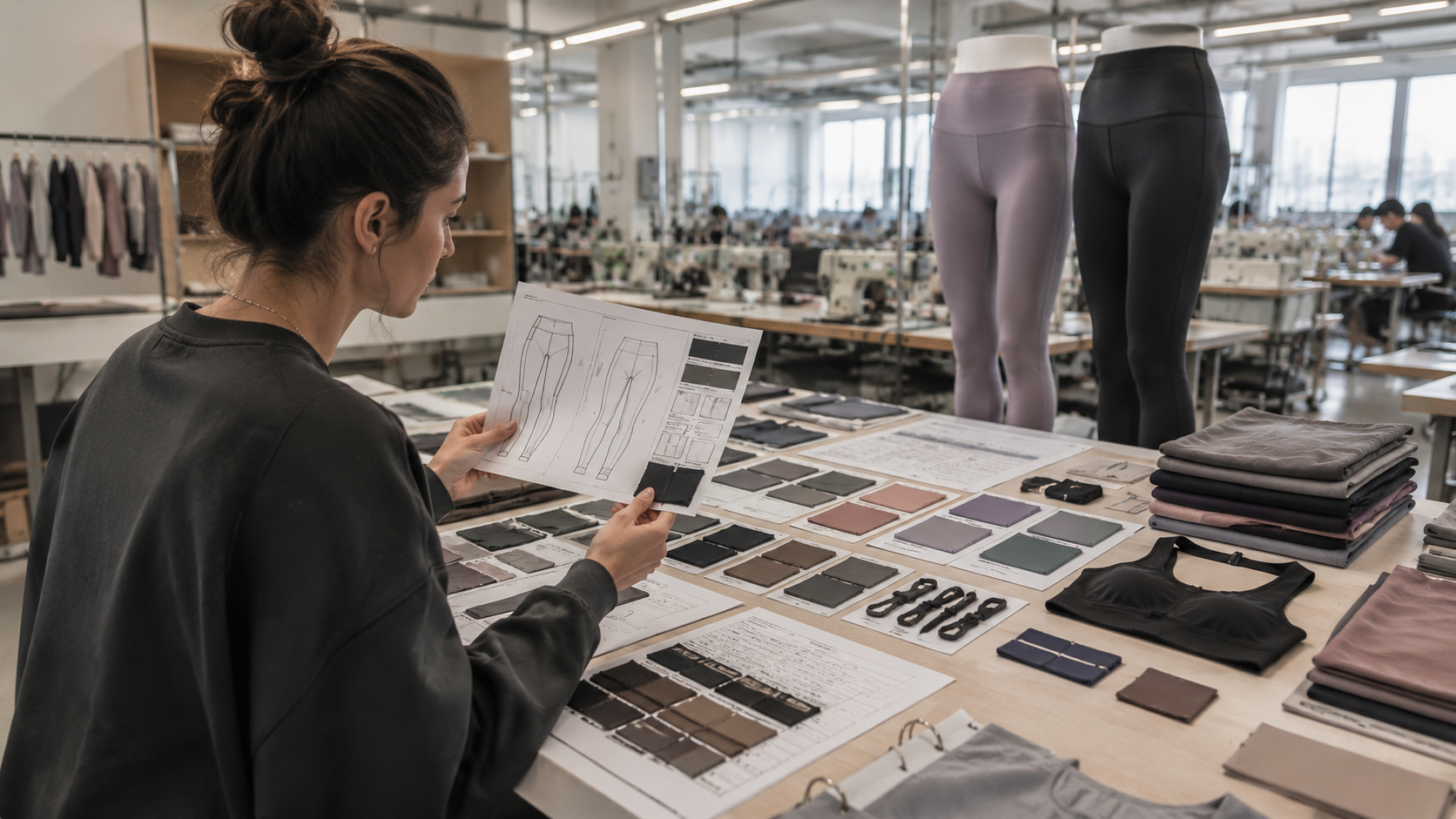
Why Is Choosing the Right Yoga Leggings Manufacturer So Important?
The wrong manufacturer can create expensive operational problems that damage a clothing brand.
The most common manufacturing problems include:
• Sample quality different from bulk production
• Fabric becoming see-through during stretching
• Inconsistent sizing
• Delayed shipping timelines
• Weak stitching failures
• Poor communication
• High defect rates
• Color inconsistency between batches
Professional yoga leggings manufacturers reduce these risks through:
• Technical fabric testing
• Controlled production workflows
• Multi-stage QC systems
• Fit development
• Performance fabric expertise
A strong manufacturing partner improves:
• Customer satisfaction
• Product reviews
• Repeat purchases
• Return rates
• Brand trust
What Features Should High-Quality Yoga Leggings Have?
High-quality yoga leggings combine performance fabrics, accurate fit development, and durable construction.
The best leggings manufacturers usually focus on:
Fabric Performance
Key fabric characteristics include:
• 4-way stretch
• Moisture-wicking
• Squat-proof opacity
• Quick-dry performance
• Anti-pilling resistance
• Soft handfeel
• Compression support
Many premium leggings use blends such as:
| Fabric Composition | Common Use |
75% Nylon / 25% Spandex | Premium gym leggings |
| 78% Polyamide / 22% Elastane | Luxury yoga sets |
| Polyester / Spandex | Budget activewear |
| Seamless knit fabric | Compression leggings |
You can explore more material information in this Fabric Guide.
Construction Quality
Professional construction standards include:
• Flatlock stitching
• Gusset crotch panels
• Reinforced waistband seams
• High-stretch thread
• Shape retention testing
Fit Development
Fit consistency is critical for activewear brands.
Professional factories develop leggings using:
• US/EU size grading
• Stretch recovery testing
• Wear testing
• Movement-focused patterns
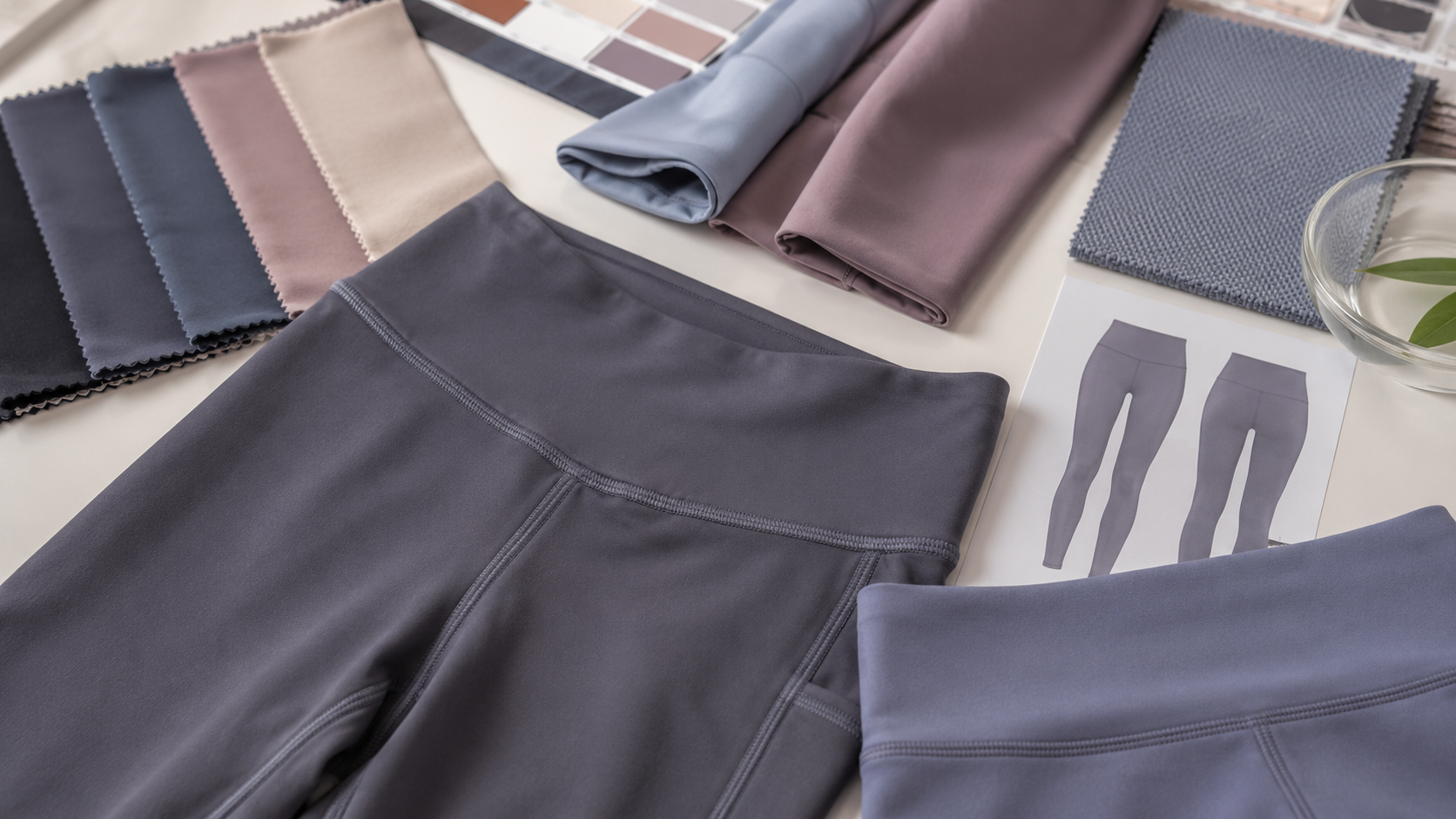
How Can Brands Evaluate a Yoga Leggings Manufacturer?
Brands should evaluate manufacturers using technical, operational, and communication standards instead of pricing alone.
Step-by-Step Manufacturer Evaluation Process
Step 1: Review Product Specialization
Choose factories specializing in activewear instead of general fashion apparel.
Specialized manufacturers better understand:
• Compression fabrics
• Seamless construction
• Athletic fit development
• Stretch sewing techniques
Examples include:
Step 2: Request Fabric Information
Ask for:
• GSM details
• Fabric composition
• Stretch ratio
• Colorfastness test results
• Pilling resistance data
Professional suppliers should explain fabric performance clearly.
You can also review professional Fabric Selection processes.
Step 3: Analyze Sample Quality | |
Check samples carefully for: | |
Inspection Area | What to Check |
| Stitching | Loose threads, seam tension |
Fabric | Opacity, recovery, softness |
| Fit | Waist stability, squat performance |
| Logo | Peeling or cracking |
| Measurements | Tolerance accuracy |
Most reliable manufacturers provide samples within:
• 7–10 days for basic styles
• 7–10 days for basic styles
• 10–14 days for custom developments
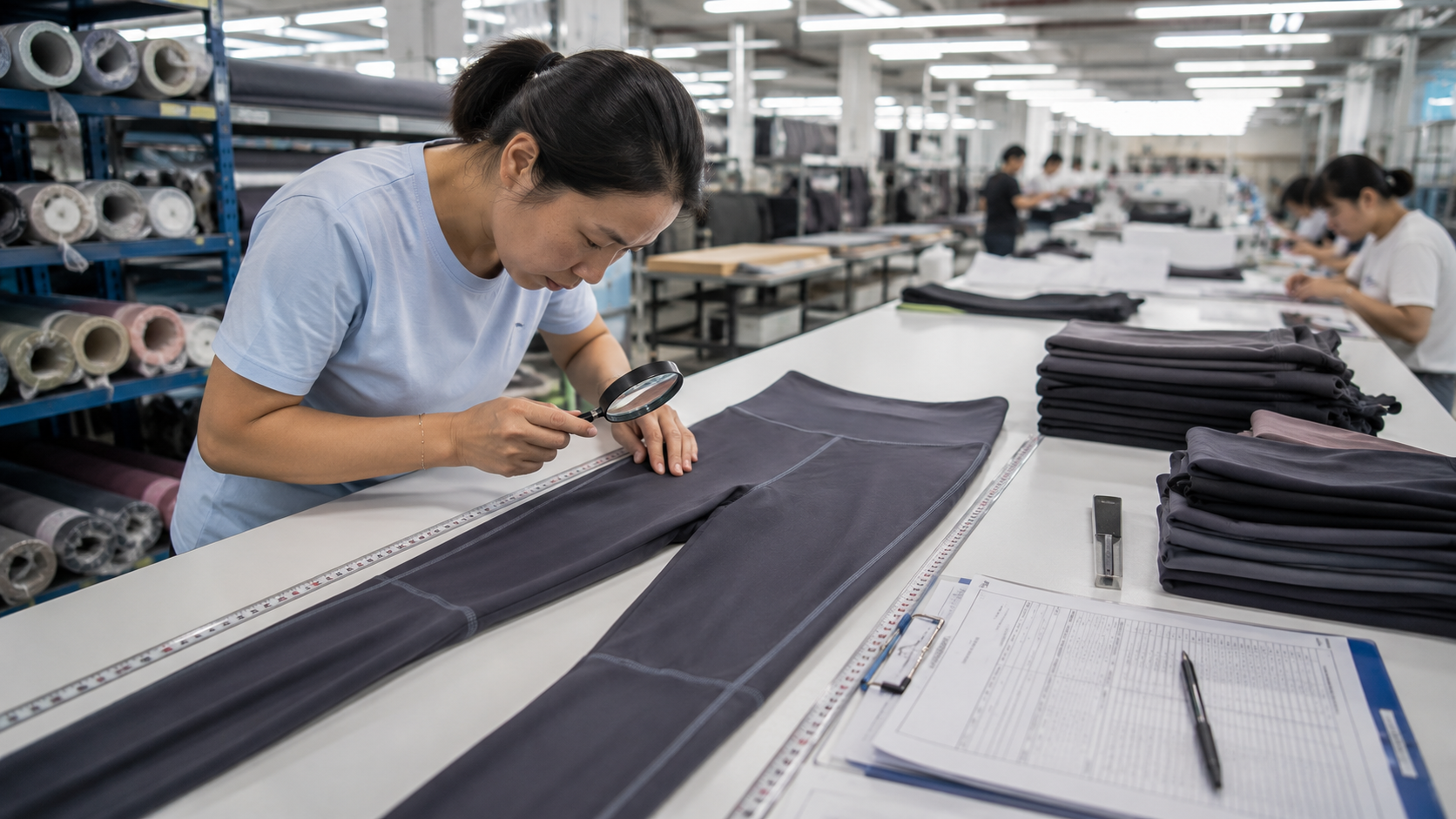
Step 4: Verify Quality Control Systems
Reliable manufacturers should have documented QC systems.
Professional activewear QC commonly includes:
• Fabric inspection
• Cutting inspection
• Inline production checks
• Final inspection
Detailed manufacturing quality workflows can be reviewed here:
Step 5: Evaluate Communication Speed
Communication directly affects production efficiency.
Reliable factories usually provide:
• 24–48 hour response times
• Dedicated merchandisers
• Production updates
• Technical clarification support
Poor communication is often an early warning sign for production problems.
What Is the Difference Between OEM and ODM Yoga Leggings Manufacturing?
| OEM and ODM manufacturing models serve different brand needs. | ||
Manufacturing Model | Definition | Best For |
| OEM | Brand provides design specifications | Established brands |
| ODM | Factory provides existing base designs | Startups |
| Private Label | Factory products customized with brand identity | Growing activewear brands |
OEM manufacturing provides:
• More originality
• Full customization
• Better brand differentiation
ODM manufacturing provides:
• Faster launch timelines
• Lower development costs
• Easier market testing
Many growing brands combine both approaches during scaling stages.
Why Do Many Brands Choose China for Yoga Leggings Manufacturing?
China remains one of the largest activewear manufacturing hubs because of supply chain efficiency and technical production capacity.
Key advantages include:
Integrated Supply Chain
China offers:
• Fabric mills
• Dyeing factories
• Trim suppliers
• Packaging suppliers
• Logistics infrastructure
This reduces production delays.
Lower Development Costs | ||
| Compared with USA or Europe manufacturing: | ||
Region | Typical MOQ | Production Cost |
| China | 100–300 pcs | Competitive |
| USA | 300–1000 pcs | High |
| Europe | 500+ pcs | Premium |
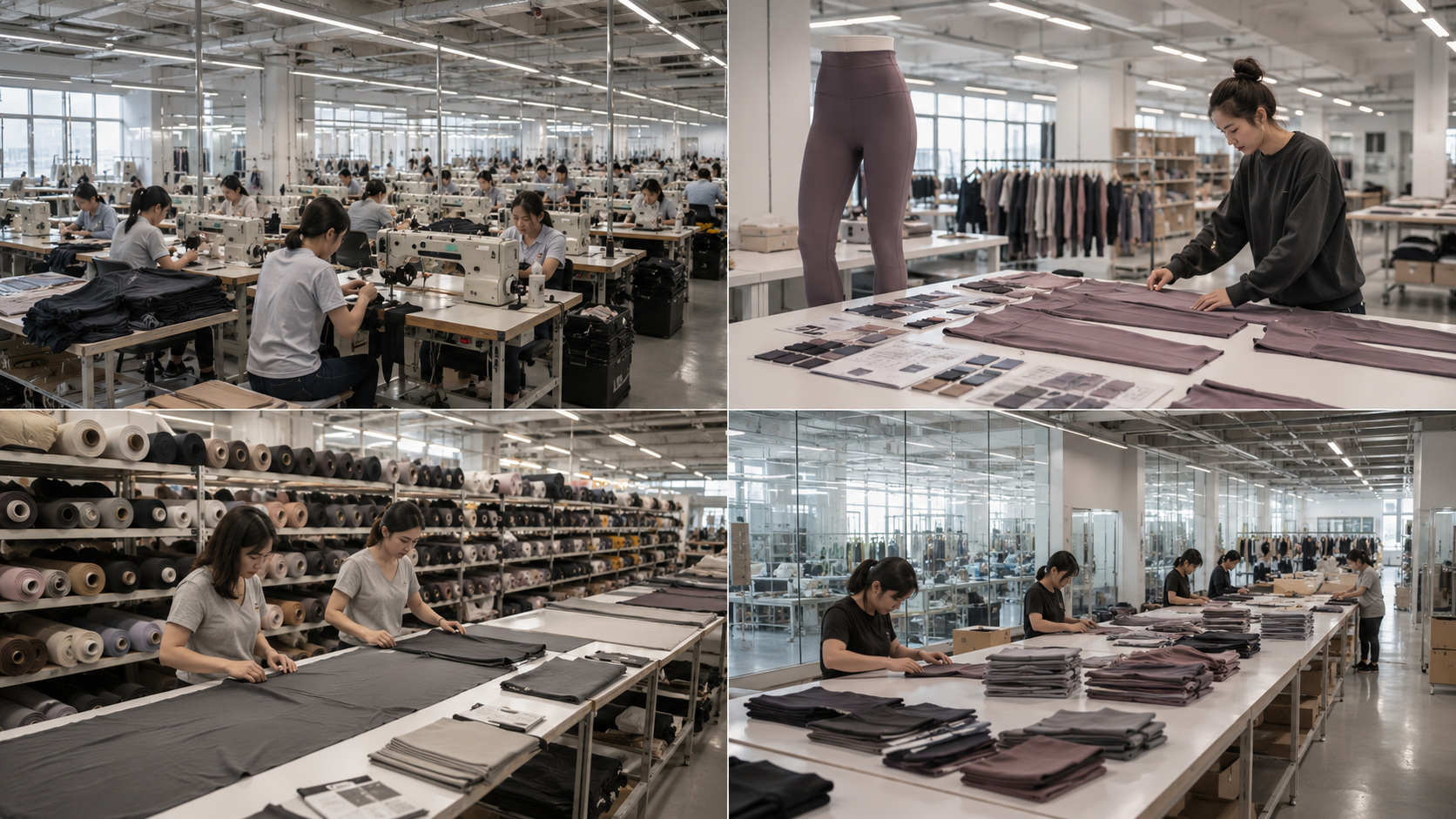
Advanced Activewear Expertise
Professional activewear factories often specialize in:
• Seamless knitting
• Compression apparel
• Performance fabrics
• Yoga sets
• Sports bras
• Gym wear
Related product categories include:
How Important Is MOQ When Choosing a Manufacturer?
MOQ directly affects inventory risk and startup costs.
Low MOQ manufacturers help brands:
• Test new products
• Reduce inventory pressure
• Launch faster
• Validate market demand
| Typical MOQ ranges: | |
| Product Type | Typical MOQ |
| Standard leggings | 100 pcs |
Seamless leggings | 200–300 pcs |
| Fully custom dye fabrics | 500+ pcs |
Startups usually benefit from manufacturers offering:
• Flexible MOQ
• Mixed-size production
• Color variation support
What Questions Should Brands Ask Before Starting Production?
Brands should ask direct technical and operational questions before placing orders.
Important Manufacturer Questions
• What fabrics are recommended for squat-proof leggings?
• What is the sample turnaround time?
• What is the bulk lead time?
• What is the defect rate policy?
• Can the factory provide Pantone color matching?
• What logo applications are available?
• Can the manufacturer support custom packaging?
• Does the factory specialize in activewear?
Additional supply chain considerations can be reviewed here:
What Are the Most Common Mistakes Brands Make When Choosing Manufacturers?
Many brands focus only on low pricing instead of manufacturing capability.
• Transparent
Common Mistakes
Choosing Generic Clothing Factories
Generic fashion factories often lack:
• Stretch sewing expertise
• Compression fabric knowledge
• Activewear QC standards
Ignoring Fit Development
Poor fit development leads to:
• High return rates
• Negative reviews
• Low customer retention
Skipping Fabric Testing
Without testing, leggings may become:
• Transparent
• Loose after washing
• Prone to pilling
Not Checking Production Capacity
Factories with unstable capacity may cause:
• Delayed shipments
• Quality inconsistency
• Communication problems
How Long Does Yoga Leggings Manufacturing Usually Take?
Production timelines depend on customization complexity and order quantity. | |
Typical timelines: | |
Stage | Estimated Timeline |
Tech pack review | 1–3 days |
Fabric sourcing | 3–7 days |
| Sample development | 7–10 days |
Sample revisions | 3–7 days |
| Bulk production | 20–35 days |
| QC and packing | 3–5 days |
| Complex developments require additional testing time. | |
How Can Brands Build Long-Term Relationships With Manufacturers?
Long-term factory relationships improve production stability and pricing consistency.
Successful brand-manufacturer partnerships usually include:
• Clear communication
• Stable reorder planning
• Technical documentation
• Forecast visibility
• Structured approval systems
Experienced manufacturers often prioritize repeat clients with:
• Faster production scheduling
• Better fabric reservation
• Lower operational risk
What Product Categories Can Be Developed Alongside Yoga Leggings?
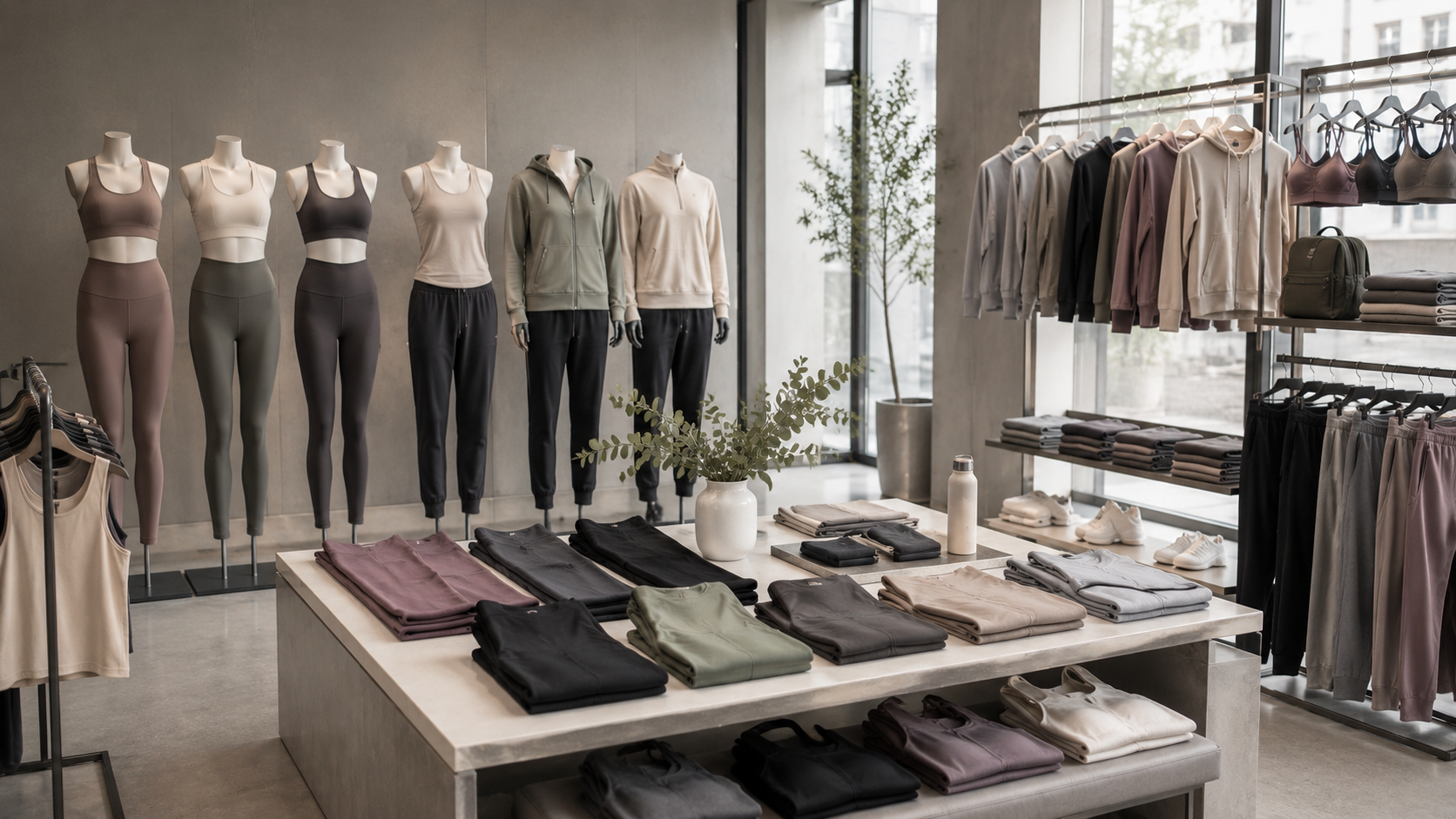
Many activewear brands expand beyond leggings into full collections.
Popular expansion categories include:
Product Category
Many brands eventually develop complete coordinated activewear collections.
Key Takeaways
• Specialized activewear manufacturers usually outperform generic apparel suppliers.
Fabric quality directly affects customer retention and product reviews.
Low MOQ support helps startups reduce inventory risk.
Professional QC systems reduce defect rates and production inconsistency.
China remains a leading activewear manufacturing hub because of supply chain integration and technical expertise.
Sampling quality should closely match bulk production quality.
Strong communication systems improve manufacturing reliability.
FAQ About Private Label Yoga Leggings Manufacturing
What is the best fabric for yoga leggings?
Nylon/spandex blends are commonly considered the best option because they provide softness, stretch recovery, moisture management, and compression performance.
What is the average MOQ for private label yoga leggings?
Most professional manufacturers offer MOQs between 100–300 pieces depending on fabric complexity and customization requirements.
How long does custom yoga leggings production take?
Most projects require approximately 30–45 days including sampling and bulk production.
Can startups work with private label manufacturers?
Yes. Many activewear manufacturers now support low MOQ programs specifically designed for startups and growing brands.
What printing methods work best for leggings logos?
Popular options include:
• Silicone heat transfer
• Reflective logos
• Screen printing
• Embroidery
• TPU logo applications
Why is fit development important for leggings?
Poor fit causes high return rates and negative customer reviews. Professional fit development improves comfort, movement, and body shaping performance.
Final Thoughts
Finding the best private label yoga leggings manufacturer requires more than comparing pricing sheets. Brands should evaluate fabric expertise, activewear specialization, QC systems, communication quality, and long-term production reliability.
The best manufacturing partnerships combine:
• Technical product knowledge
• Stable production workflows
• Transparent communication
• Consistent quality standards
• Scalable manufacturing support
Brands planning long-term growth should prioritize manufacturers with proven activewear experience and structured quality management systems rather than short-term low-cost sourcing decisions.