How to Test Activewear Fabric for Pilling, Shrinkage and Colorfastness
- Share
- publisher
- Ohsure
- Issue Time
- Sep 29,2026
Summary
Plan activewear pilling, shrinkage and colorfastness tests with method comparisons, a dimensional-change example and a blank supplier approval record.
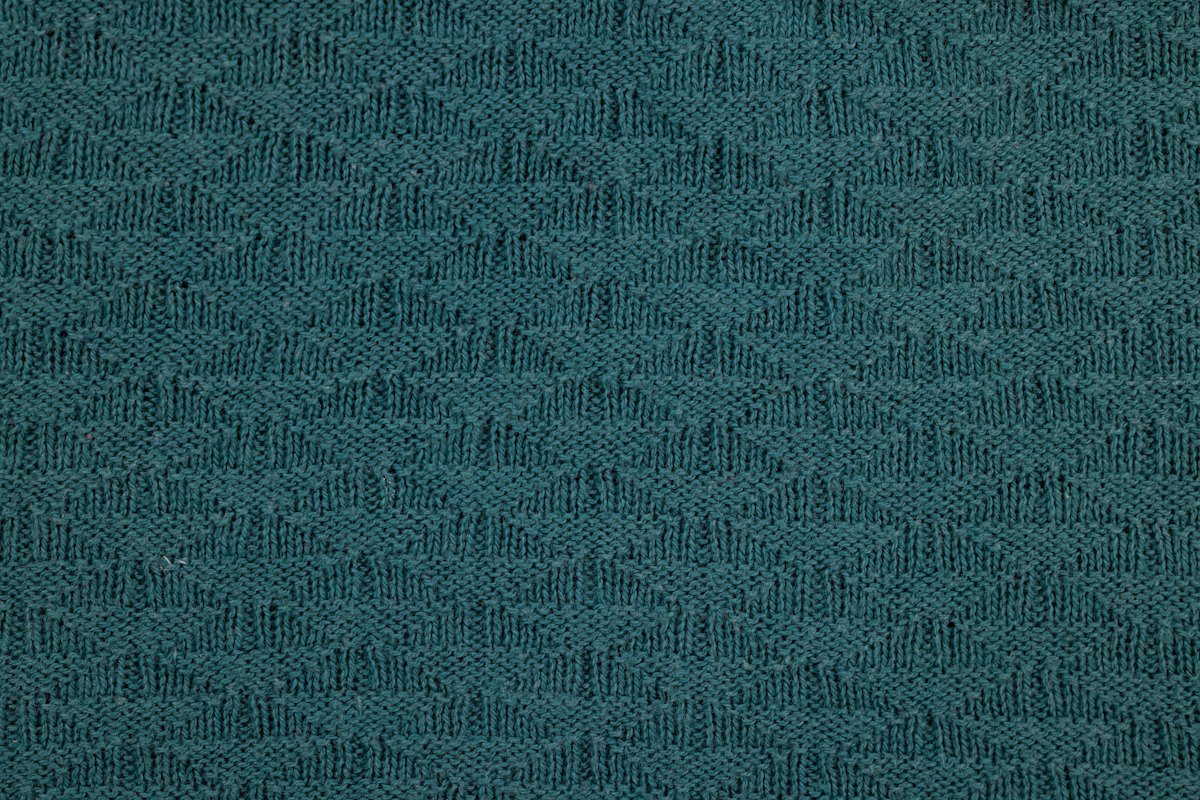
Activewear fabric testing
Test activewear fabric with separate methods for pilling, dimensional change and colorfastness. Identify the fabric, color and lot, agree the method and acceptance limits before testing, and record preparation, exposure and individual results. Evaluate washed garments as well as fabric where fit or contrasting panels matter. One passing result cannot establish overall durability.
1. Turn Three Quality Risks into Separate Requirements
For a legging or training top, a smooth new swatch answers only part of the purchasing question. The buyer also needs to know how appearance, dimensions and color behave under defined exposure. Start with the product brief: activity, contact with equipment, colors, panel combinations and intended care.
Pilling concerns small fiber entanglements on the surface. Dimensional change concerns differences in measured length or width after a specified care process. Colorfastness concerns resistance to a particular exposure, such as rubbing, laundering or perspiration. These properties need separate evidence and separate acceptance decisions.
| Risk | What to request | What a pass does not prove |
|---|---|---|
| Visible pills or surface fuzz | Named pilling method, exposure endpoint and appearance grade | Freedom from every abrasion or snagging problem |
| Garment becomes shorter or wider | Dimensional change by direction and laundering condition | Correct fit across all sizes |
| Color transfers or fades | Exposure-specific color change and/or staining results | Resistance to every other exposure |
Use the activewear fabric guide for the wider specification. The workflow below is a buyer’s commissioning and review guide. Laboratories need the complete applicable standards to perform the tests.
2. Choose Methods Before Comparing Suppliers
The AATCC directory identifies separate methods for fabric and garment dimensional change, crocking, accelerated laundering and perspiration. ASTM lists Martindale pilling and abrasion as different methods. Ask the laboratory to confirm the full designation and edition; a machine name alone is insufficient.
| Property | Method family to discuss | Essential report detail |
|---|---|---|
| Pilling | ASTM D4970/D4970M, Martindale pilling | Preparation, exposure endpoint, rating and reference scale |
| Pilling, alternative | ASTM D3512/D3512M, random tumble | Duration, surface rating and method suitability limitations |
| Fabric dimensions | AATCC TM135 | Length/width change; wash, dry and cycle conditions |
| Finished garment dimensions | AATCC TM150 | Defined garment measurement points and care conditions |
| Rubbing transfer | AATCC TM8 | Dry and wet results identified separately |
| Laundering colorfastness | AATCC TM61 | Selected test option and separate color-change/staining outputs |
| Perspiration colorfastness | AATCC TM15 | Acid perspiration exposure and evaluated materials |
Method numbers here identify the relevant families; the purchase specification should include the actual edition used. Do not silently substitute another standard or test option. If a customer specifies an ISO method, align the work to that requirement with the laboratory rather than relabeling an AATCC or ASTM result.
ASTM’s public D3512/D3512M scope cautions against using that method for acceptance testing and discusses laboratory bias. It also identifies a limitation with some silicone-resin-treated fabrics. Resolve suitability and any buyer–supplier comparison procedure with the laboratory before relying on this route for approval.
3. Create a Traceable Sample and Parameter Sheet
Assign a sample ID before cutting specimens. A report for a similar blend or an earlier development color does not automatically represent the production lot. Keep an untested reference with its identity intact and record who selected the submitted material.
| Field | Record in the test request |
|---|---|
| Sample identity | Fabric code, composition, construction, GSM, finish, color, lot and roll |
| Sampling basis | Roll locations, selected colors, number of specimens and selection responsibility |
| Preparation | As received or pre-laundered; conditioning and relevant face/direction |
| Exposure | Method edition, option, duration or cycles, and relevant instrument settings |
| Care procedure | Wash program, detergent, additives, load and drying procedure as applicable |
| Evaluation | Scale, lighting/viewing requirements, individual readings and reporting precision |
| Acceptance | Limit for each metric, treatment of borderline results, and retest rule |
| Traceability | Laboratory, report ID, dates, deviations and reviewer |
Have the laboratory set numerical operating parameters and specimen counts from the selected method. Do not copy settings from a different instrument or use one convenient specimen for every test. Testing can alter a specimen, so allocate material deliberately and document any required pre-treatment sequence.
For multiple colors, agree which shades and combinations need testing. A dark body fabric beside a pale panel raises a different transfer question from an all-dark garment. Any grouping of colors under one approval needs a documented justification; color names alone do not establish equivalence.
4. Review Pilling as an Appearance Result
ASTM’s random-tumble method summary describes a five-level pilling scale, from 5 for no pilling to 1 for very severe pilling. It also explains that construction, finishing and use affect behavior. Preserve the method and exposure beside the grade: “grade 4” alone is not a reproducible specification.
Request the original specimen ratings and, where appropriate, comparison photographs taken under consistent conditions. Photographs support the record but do not replace the prescribed assessment. Ask whether the report also notes fuzzing or other surface changes that could matter to the intended appearance.
A comparison between suppliers is useful only when preparation, exposure, evaluation and sample identity align. A higher grade after a shorter exposure cannot simply be called the better fabric. Keep a retained approved sample for future investigations and agree what changes require a new test.
Use wear observations to investigate likely friction areas such as inner thighs or contact with bags, while keeping those observations separate from laboratory ratings. Do not convert a laboratory endpoint into a promised number of months of use. Pilling evidence also does not establish stretch recovery; assess that separately with the stretch recovery testing guide.
5. Calculate Shrinkage Without Losing Direction
AATCC TM135 addresses fabric length and width changes after home laundering and provides washing and drying options. Select the procedure that matches the agreed evaluation. Record the drying process as carefully as the wash, and measure conditioned specimens according to the method rather than pulling them back to their original marks.
Using this convention, a negative value indicates shrinkage and a positive value indicates growth. State the convention alongside the result.
Worked calculation: hypothetical values
| Direction | Before | After | Signed change | Interpretation |
|---|---|---|---|---|
| Length | 500 mm | 485 mm | −3.0% | 3.0% shrinkage |
| Width | 500 mm | 505 mm | +1.0% | 1.0% growth |
For the length example, (485 − 500) ÷ 500 × 100 = −3.0%. These numbers explain the arithmetic only. They are not Ohsure measurements, standard specimen dimensions, or recommended acceptance limits.
Keep length and width as separate decisions. Averaging −3% and +1% into a single number hides two different changes. Retain individual measurements, the calculation basis and the required reporting precision. If a report expresses shrinkage as a positive number, clarify its convention before comparing it with signed data.
For finished garments, specify relevant measurement points and discuss AATCC TM150 with the laboratory. Review the washed garment against the size specification, including assembly and trims. A fabric result cannot by itself establish the post-wash fit of a waistband, seam or lined panel.
6. Separate Fading from Color Transfer
A fabric may retain its own appearance while staining a contacting textile. Ask for color change and staining separately wherever the chosen method evaluates both. Preserve the individual adjacent-material results instead of reducing the report to a single unexplained “colorfastness grade.”
AATCC’s guidance on reading methods explains crocking as controlled rubbing against a test cloth and emphasizes the meaning of the reporting scale. For TM8, identify wet and dry conditions separately. Do not use a dry result to support a wet-transfer claim.
AATCC TM15’s public scope covers acid perspiration and evaluates both the specimen’s color change and transfer to contacting materials. It does not establish the outcome for every perspiration chemistry or for unrelated exposure to sunlight or pool water.
For TM61, ask for the actual accelerated-laundering option used. Keep that designation with the results and avoid translating it into a broad lifetime-wash guarantee. Light exposure and chlorinated-water exposure require their own assessment when relevant to the product brief.
Evaluate the proposed color combinations, prints and trims as part of garment development. If a pale binding stains beside a dark body panel, document the combination and exposure, then investigate the specific materials. Do not treat a passing report for another colorway as a resolution.
7. Make the Approval Decision Explicit
Agree limits before receiving the results. The tables in this guide intentionally provide no universal “grade 4 and 3%” rule: acceptable performance depends on the garment, customer specification, selected method and conditions. Use one decision row for each required property.
| Finding | Recommended buyer action |
|---|---|
| Method, option or sample identity missing | Request a corrected report before comparing candidates |
| Required metric outside its agreed limit | Hold approval; investigate the affected material or process |
| Result close to a limit | Apply the agreed precision and decision rule; discuss uncertainty with the lab |
| Large specimen-to-specimen variation | Review sampling and raw results before accepting the average |
| Different methods used for two suppliers | Align methods or describe why direct ranking is invalid |
| Material, finish or color changed after approval | Assess the change and define relevant retesting before release |
A good retest records what changed, which samples represent the revision and why the repeat was commissioned. Do not keep retesting unchanged material until one favorable report appears, or discard earlier failures without explanation. Preserve the disposition and the person responsible for approval.
Keep the scope narrow: an approved sample supports the documented fabric, color, lot and conditions. It does not establish every future delivery. Agree incoming checks and substitution controls separately. Moisture claims also remain independent; see the moisture-wicking test guide for that evidence.
8. Use a Blank Test Record for Your Ohsure Brief
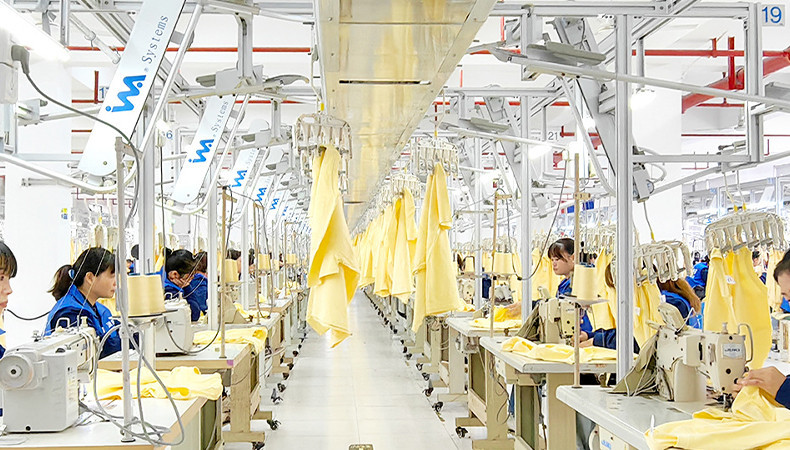
For an Ohsure sportswear manufacturing project, provide the garment drawings, color combinations, target size measurements, care instructions, reference sample and required claims. Ask who will commission testing, which laboratory and methods will be used, and how test timing fits the sample approval schedule.
This is a proposed procurement workflow, not a claim that the pictured factory owns specific laboratory equipment or that testing has already been completed. Request a report tied to the actual submitted samples.
| Approval record | Entry |
|---|---|
| Fabric / garment ID; color; lot | ___ |
| Method / edition / test option / lab | ___ |
| Preparation / conditioning / exposure | ___ |
| Wash / dry procedure / cycle count | ___ |
| Specimen count / raw-data attachment | ___ |
| Pilling: exposure + individual grades | ___ |
| Dimensions: length and width change, with sign convention | ___ |
| Color: exposure + change / staining / wet / dry outputs as applicable | ___ |
| Agreed limit for each metric | ___ |
| Deviations / uncertainty / limitations | ___ |
| Report ID / reviewer / date / approval decision | ___ |
No original laboratory results were supplied for this article. The record remains blank. Populate it from a traceable report before presenting a tested product claim or a comparison between actual fabrics.
Frequently Asked Questions
Can a wash test replace a pilling test?
No. A care trial can reveal appearance changes, but it does not produce a result under a named pilling method unless that method was actually followed.
Is grade 4 always a pass?
No. The agreed requirement must identify the property, method, exposure and scale. Decide the limit before reviewing results.
Why can length shrink while width grows?
They are different measurement directions. Report each observed change separately and investigate the material and care process rather than averaging them into one result.
Does good wash colorfastness prove good rubbing resistance?
No. Laundering and rubbing are different exposures. Request the relevant results separately, including wet and dry rubbing where specified.
Should every color be tested?
Agree a color sampling plan with the laboratory and buyer. Any grouping needs justification, and high-contrast garment combinations need particular attention.
Can a supplier report replace testing our finished garment?
A matching fabric report can support material selection. Finished construction, trims and fit can add questions, so define garment-level checks for the actual design and care instructions.
Sources and Scope
The linked ASTM and AATCC public descriptions support method selection and interpretation. Obtain the complete standards through the relevant standards organization for laboratory execution. This article’s sampling checklist, decision matrix and blank record are editorial tools, not accredited test reports.