How to Test Whether Legging Fabric Is Squat-Proof
- Share
- publisher
- Ohsure
- Issue Time
- Sep 24,2026
Summary
Assess legging coverage with controlled fabric extension, lighting and garment fit. Includes an internal test protocol, decision matrix and blank report.
Leggings quality control
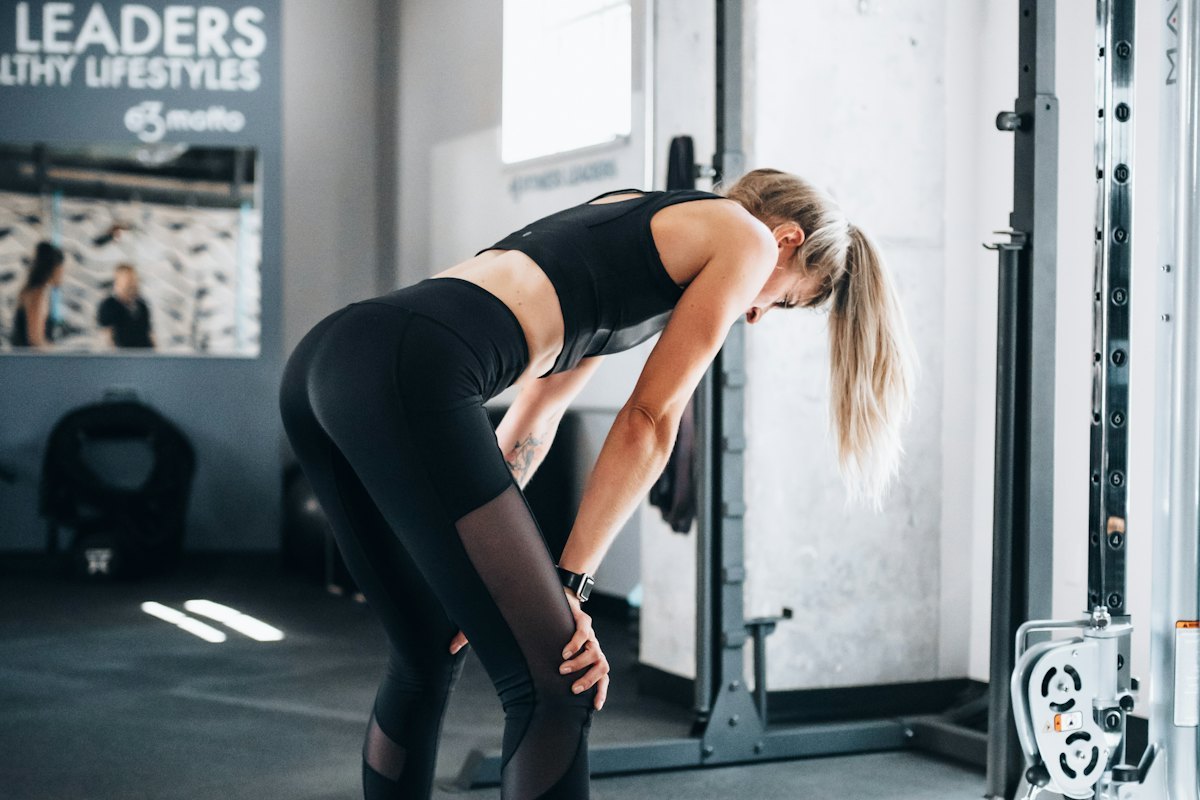
Test squat-proof performance on both stretched fabric and finished leggings. Fix the lighting, backing color, extension, viewing distance and garment size, then check coverage during a squat and other intended movements. Repeat across relevant colors, sizes and care conditions. Approve only the tested combination; an opaque relaxed swatch does not establish garment coverage.
This guide proposes an internal development protocol and blank report. It does not present completed Ohsure testing, a certified method or a universal pass threshold.
1. Define What “Squat-Proof” Means
For this protocol, squat-proof means that the selected underlying color or pattern is not visibly discernible through the intended coverage panels during the agreed movements and viewing conditions. The claim must identify its boundaries: colorway, fit range, dry or damp state, care history and assessment setup.
Separate optical transparency from a visible underwear seam or raised edge. A ridge may show through opaque fabric because it changes the surface shape. Conversely, a smooth surface can still reveal a contrasting backing color. Record these as different observations so the corrective action addresses the actual problem.
Weight, fiber content and the phrase “four-way stretch” are not opacity measurements. Use the GSM guide for fabric weight decisions and the activewear fabric guide for broader material selection. Coverage approval still requires the proposed color and garment.
Use standards only within their scope
AATCC TM203-2021 measures light blocking spectrophotometrically and is intended for window-covering textiles. Its published scope does not establish a squat-proof legging certification. A laboratory may help develop an appropriate optical comparison, but the report must explain the fixture, fabric strain and relationship to wearer assessment. Do not label a modified internal check as compliance with an unrelated standard.
2. Lock the Conditions Before Comparing Fabrics
| Control | What to specify and record | Reason |
|---|---|---|
| Sample identity | Fabric code, knit construction, finish, color, lot, roll and garment version | Keeps the result traceable to the actual proposed material |
| Light | Source, direction, distance, measured illuminance at sample, and ambient light | A comparison loses meaning when the scene changes |
| Backing | Named matte light, dark and contrasting patterned backing; fixed contact or gap | Different contrast can reveal different coverage problems |
| Extension | Marked gauge length in each direction and target dimensions under load | Hand pulling cannot reproduce a defined strain |
| Observation | Viewing distance, angle, observer and pre-agreed reference samples | Reduces subjective differences between sessions |
| Garment fit | Size label, wearer measurements, pattern version and fit position within the size chart | The same textile can experience different strain in different fits |
| Condition | Dry baseline; separately defined damp or washed condition when relevant | Findings apply only to states actually checked |
| Replication | Specimen count, sampled locations, repeats and retained raw observations | One favorable image does not characterize a lot |
Use the same setup for candidate and approved reference. Agree the minimum conditions and acceptance rule before seeing results. Include a foreseeable demanding lighting condition as well as the intended use setting; a phone flashlight held against the fabric should not become the sole basis for a consumer claim.
3. Screen Swatches Under Controlled Extension
- Identify and prepare specimens. Record the fabric direction and sample location. As an internal development starting point, compare at least three separate specimens per candidate color. This is a proposed screening count, not a statistical lot-release plan or standard requirement.
- Mark a central gauge area. Keep clamps outside the viewing area. Record relaxed distances along the fabric width and length without prestretching. Use a fixture that holds the target dimensions consistently.
- Select relevant strain. Estimate the intended garment strain from marked development samples or a documented fitting study. Test relaxed fabric and the agreed extended state. Where both directions extend in use, reproduce both; a one-direction strip test does not reproduce biaxial deformation.
- Control backing and light. Keep the chosen backing at the recorded position, set the source and viewing geometry, and check the reference sample before each session.
- Observe and record. Assess whether the backing color or pattern can be distinguished. Note local openings, streaks and uneven extension separately. Photograph each condition without changing exposure to make one candidate look better.
- Repeat and retain evidence. Keep every specimen observation, including unfavorable ones. Rerun an invalid slipped or wrinkled specimen with the reason documented. Do not average a clearly transparent specimen into an overall pass.
A 100 mm gauge held at 130 mm has 30% extension in that direction. This is an arithmetic illustration only. It is not a recommended universal test strain, an opacity result or an Ohsure measurement.
Stretch recovery is a separate requirement. Follow the stretch recovery testing guide to assess return after unloading; a material can recover well and still reveal the backing while extended.
4. Verify the Sewn Leggings Across the Intended Fit
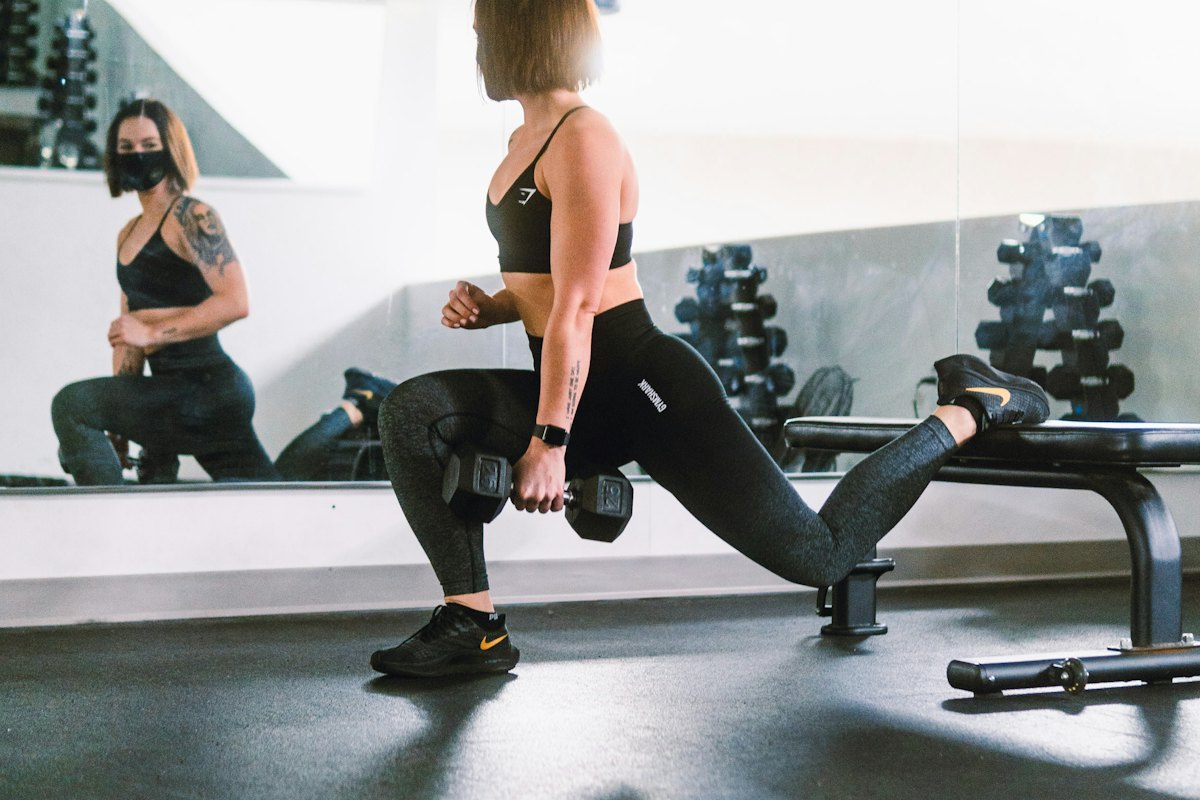
Use finished samples in the actual fabric, color, pattern, seams and lining. Fit each participant according to the intended size chart and record measurements with consent. Start with development sizes representing the planned range and fit boundaries, then expand coverage to support the claimed size range. A pass on one wearer cannot establish performance for every size.
- Inspect standing coverage and confirm the leggings are positioned as intended.
- Perform a comfortable squat, hip hinge and lunge suited to the product. Fix the agreed depth, repetitions and observation hold time across candidates.
- Inspect the seat, upper thigh, crotch-adjacent coverage panels and strained seams from the agreed viewing angles. Avoid asking participants to exceed comfortable movement.
- Repeat under the defined lighting and agreed underlayer conditions. Keep underlayer color and construction recorded rather than changing them silently between samples.
- Recheck after movement for fabric displacement or bagging. If the product claim includes use after laundering or in damp conditions, assess those states as separate report entries.
For a damp check, define the liquid, application amount, distribution, waiting time and wet pickup measurement. A casual water spray is not a controlled sweat simulation. For laundering, record the care program, detergent, drying procedure and cycle count, then repeat the same opacity setup.
Photographs support a report; they do not replace the check
Use a fixed camera position and locked exposure and white balance where available. Disable beautification and document HDR or other processing. Keep original files. Lens, display and processing differences can change apparent coverage, so use direct observation and references alongside images. Obtain permission for wearer photography and crop to the relevant garment area.
5. Use a Decision Matrix With Explicit Limits
| Observation under the agreed conditions | Disposition | Next action |
|---|---|---|
| Backing not discernible in every required specimen and garment check | Candidate for approval within tested scope | Sign the report and retain the reference sample |
| Observers disagree or backing is intermittently discernible | Hold for review | Repeat with the same setup and resolve the disagreement before approval |
| Backing clearly discernible in any required coverage panel | Does not meet the proposed coverage criterion | Revise material, pattern tension, color or lining and retest |
| Clamping slips, light changes or the wrong size is used | Invalid run | Correct the setup and repeat; keep the invalid-run note |
| Pass dry but fail in a required damp or after-care state | Fails the broader stated requirement | Revise the design or narrow the claim to evidence actually supported |
This matrix is an editorial proposal for buyer–supplier agreement, not an established industry grading scale. A result should read “Backing not discernible in the listed checks under protocol revision X,” followed by the tested scope. Avoid “100% squat-proof in all conditions.”
If coverage fails, change one variable at a time where practical. Check pattern strain and size grading, compare knit constructions and yarn coverage, review color effects, and evaluate lining if suitable. Increasing GSM may alter comfort and drying without solving the underlying fit issue.
6. Copy This Test Record Into Your Approval File
| Field | Entry to complete |
|---|---|
| Report / method | ID: ___; internal protocol revision: ___; test date: ___; operator: ___ |
| Material / product | Fabric code: ___; lot/roll: ___; color: ___; garment/pattern revision: ___ |
| Scope / sampling | Colors: ___; sizes: ___; specimen count and locations: ___; repeat count: ___ |
| Light / backing | Source and geometry: ___; illuminance: ___; backing ID and gap: ___ |
| Strain / fit | Relaxed and held dimensions in both directions: ___; wearer fit position: ___ |
| Condition / movement | Dry/damp/care details: ___; movements, depth, repetitions and hold: ___ |
| Evidence | Specimen-level observations: ___; photo IDs: ___; invalid runs and reasons: ___ |
| Decision / limitations | Criterion: ___; result by condition: ___; exclusions: ___; reviewer and date: ___ |
Results status: No completed specimen records accompany this guide. The fields above remain unfilled so readers can record real measurements and observations. Approval requires actual evidence, an identified reviewer and a retained sample.
For an Ohsure custom sportswear project, provide the intended activity, colors, size chart, target fit, reference garment, care expectations and proposed coverage claim. Request a written testing plan and sample-level records tied to the proposed production material. Confirm what can be tested internally and what needs an external laboratory before treating any result as a purchasing specification.
Frequently Asked Questions
Can a hand stretch check prove leggings are squat-proof?
It can flag obvious transparency, but it cannot reproduce a known strain or finished-garment fit. Use it for early screening and confirm the result with a documented fixture and garment assessment.
Is a higher GSM always more opaque?
No guaranteed GSM cutoff establishes coverage. Construction, yarn, color, finish and garment strain can change the result. Compare the actual candidates under the same conditions.
Must every color be checked?
Include every color covered by the claim or use a documented, justified sampling strategy. A black sample does not establish the performance of a pale color made from the same base fabric.
Is a visible underwear line a failed opacity test?
A raised seam or edge is a surface-shape issue. Record it separately from seeing the underlayer color or pattern through the fabric. Both may matter to the product brief, but they need different diagnoses.
Can I publish a percentage opacity score from phone images?
Do not convert ordinary photographs into an unsupported percentage. A quantitative metric needs a defined optical method, calibration, analysis procedure and demonstrated relationship to the claim.
When should the test be repeated?
Reassess when material, color, finish, supplier, pattern, size grading or care instructions change in a way that may affect coverage. Define bulk sampling and change-control requirements in the purchasing specification.
Evidence and Editorial Notes
The linked AATCC scope supports the distinction between window-textile light blocking and garment coverage. The workflow, sampling starting point, decision matrix and record template here are proposed internal development tools. No customer outcome, laboratory result or certification is claimed.