Inline Inspection vs Final Inspection: What Clothing Brands Should Know
- Share
- Issue Time
- Oct 12,2026
Summary
Learn how inline and final garment inspections differ, what to check at each stage, how to specify AQL sampling, and which records support a clear lot-release decision.
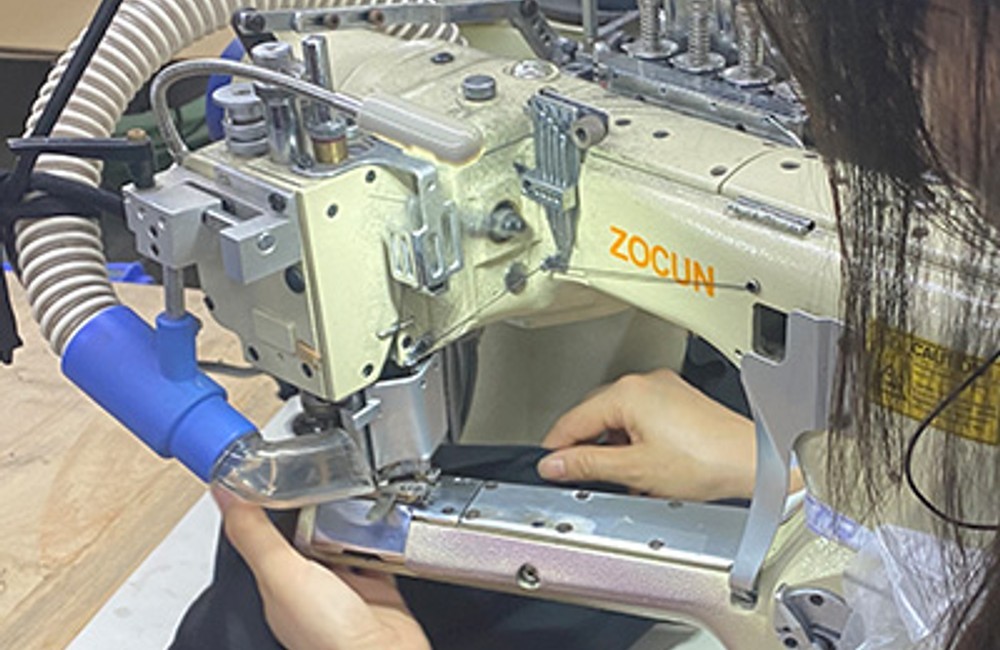
Apparel quality control · Inspection planning
Inline inspection checks garments while production is running; final inspection checks a finished, packed lot before release. Inline checks help teams find and correct process defects early. Final inspection provides a documented release decision against the agreed specification and sampling plan. Clothing brands usually need both controls because one examines the process and the other evaluates the completed lot.
Neither inspection replaces a clear tech pack, approved reference sample, in-process records or agreed defect definitions. Set the timing, scope, sample method and decision authority before production begins.
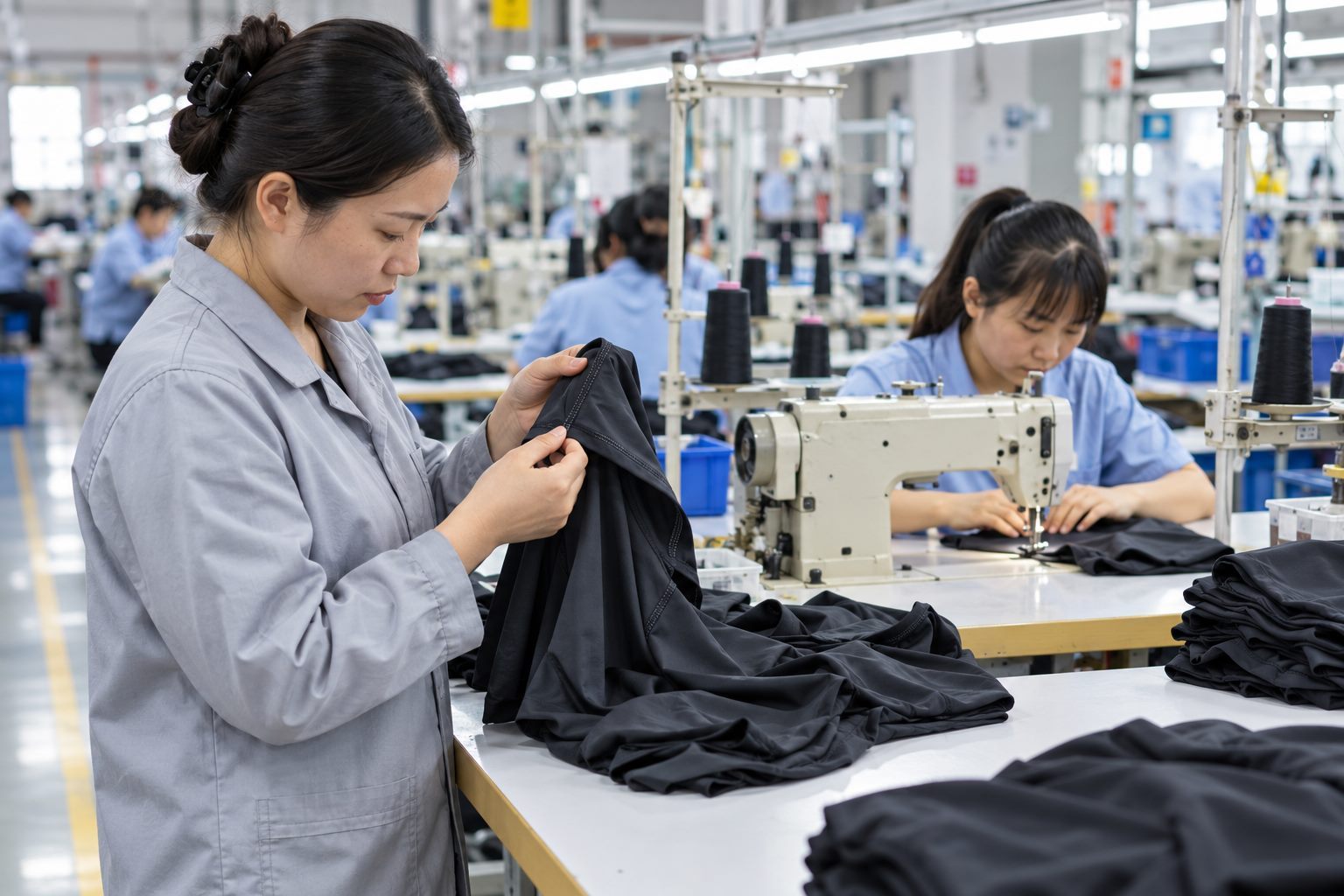
Inline Inspection vs. Final Inspection
“Inline” describes a check during production. “Final” describes a check after the order is substantially complete and garments are packed or ready for packing. Factories may also use end-line checks at individual sewing lines or 100% checks for selected operations. Agree on the exact terms in the purchase order or inspection plan.
| Decision point | Inline inspection | Final inspection |
|---|---|---|
| When | At agreed production milestones while units are still being made. | After the lot is complete and the agreed proportion is packed or presented for inspection. |
| Main purpose | Find process drift early and contain affected work before it spreads. | Assess whether the presented lot meets agreed acceptance criteria. |
| Typical focus | Construction method, seam appearance, measurements, workmanship, operation-specific risks and consistency with the approved sample. | Finished appearance, workmanship, measurements, labeling, packing, assortment and order-specific requirements. |
| What it can do | Trigger correction at the source, rework of affected units, operator coaching or a pause for investigation. | Support a lot disposition such as accept, reject, rework or reinspect, according to the agreed plan. |
| What it cannot prove alone | That every finished unit will conform or that the completed lot passes its release plan. | That the production process was stable or that every unit in the lot is defect-free. |
Sampling at final inspection is a decision method, not a guarantee that every item is perfect. If the buyer and supplier use acceptance sampling, identify the standard edition, inspection level, lot definition, defect classes and acceptance numbers in the contract. As of October 2026, the current published edition is ISO 2859-1:2026, Edition 3, published in January 2026. It defines AQL-indexed schemes for lot-by-lot inspection. AQL is an index for a sampling plan, not a promise that the same percentage of defects will be present in every accepted lot. See the ISO 2859-1:2026 listing. Identify the governing edition and agreed plan in the order documents.
What to Check During Production
Choose inline checkpoints based on when a defect can still be contained or corrected. For activewear, useful checks may include:
- First-off or early-line units: compare workmanship, construction and key measurements with the approved sample and current specification.
- High-risk operations: review waistband attachment, seam intersections, elastic insertion, bonding, printing or other features that are difficult to repair later.
- Measurement and fit-critical points: use the specified measuring method, garment condition and tolerance. Record actual values rather than writing only “OK.”
- Material and component identity: verify the fabric, shade, trim, label and artwork against approved references and lot records.
- Repeat defects: track the defect location, operation, line or bundle so the team can check whether the same cause affects more units.
Define a response before checking starts. For a critical safety or regulatory concern, follow the order’s escalation and stop-work rules. For other defects, identify affected units, contain the issue, agree on correction and record verification after the corrective action.
Illustrative Defect Record
The examples below show how to make a finding actionable. They are illustrative only; classify severity using the buyer and supplier defect standard for the order.
| Observation | Record | Possible response |
|---|---|---|
| Skipped stitches at a side seam on early units | Operation, line, bundle, affected quantity, photo and applicable workmanship criterion | Contain the affected bundle, check the machine setup, correct affected units and verify the next units. |
| Care label does not match the approved artwork | Label version, garment count, carton or bundle IDs and approved artwork revision | Hold affected units, reconcile the approved version and document replacement or disposition. |
Do not assign a universal major or minor classification from a photo alone. The contract defect definitions and product risk determine the class.
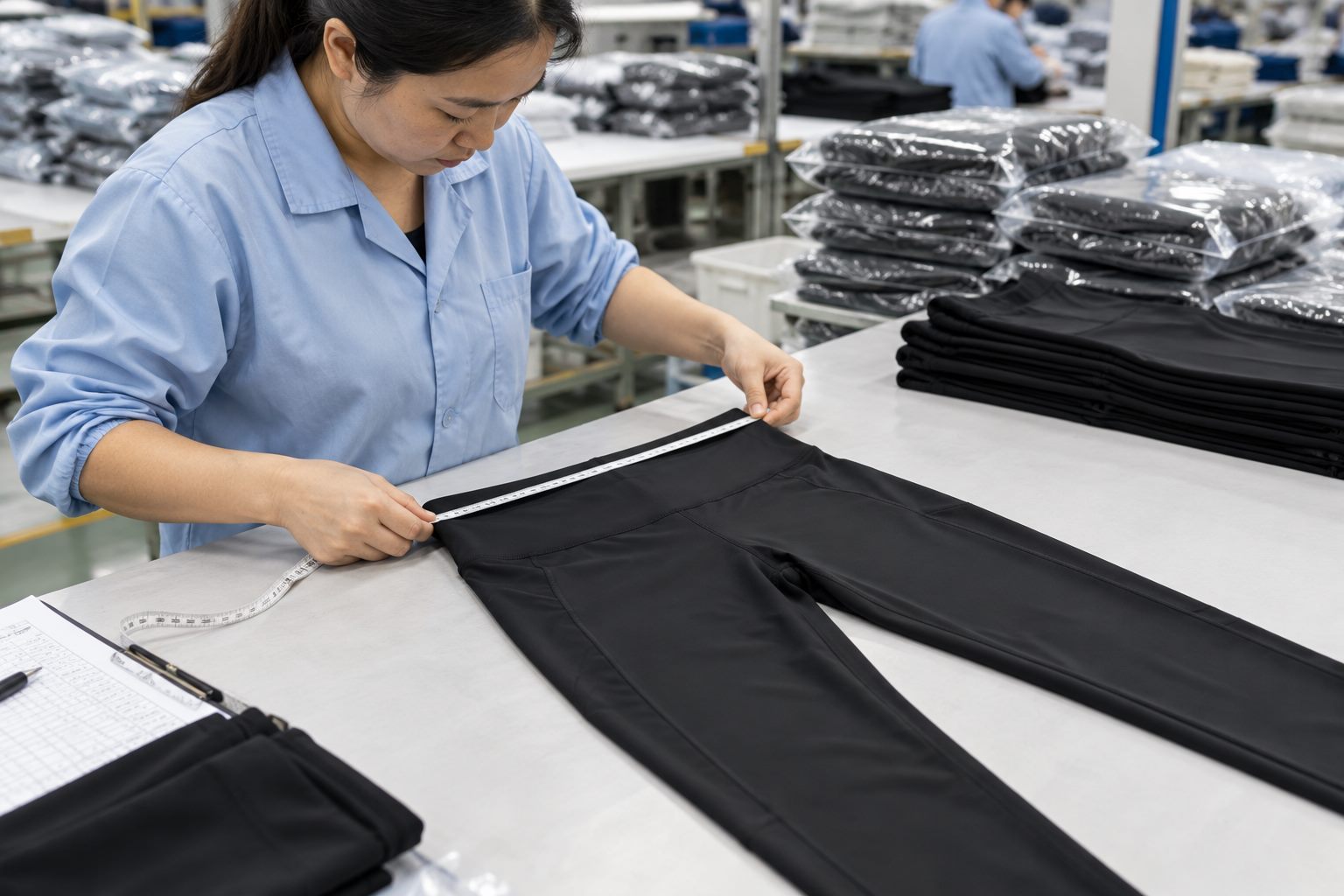
What to Check at Final Inspection
Before final inspection, confirm that the inspection lot is clearly defined and ready. Keep incomplete, unpresented or separately held units out of the lot count unless the plan explicitly includes them. Use the same approved specification and defect definitions used during production.
- Confirm style, color, size range, quantity, carton assortment and lot identity.
- Check whether the required production quantity is complete and whether the inspection sample can be selected as planned.
- Examine visual workmanship and the agreed critical features on the sampled garments.
- Measure the specified points with the agreed method and tolerance.
- Verify labels, care instructions, branding, folding, polybags, carton marks and packing details against approved artwork and instructions.
- Classify findings using the buyer’s written definitions. Record defect counts by class and location.
- Compare results with the agreed sampling plan. Document the disposition and any conditions for correction or reinspection.
If the lot fails, preserve the findings and agree on containment, sorting or rework. After correction, define whether a new inspection is required, what lot will be presented, and which acceptance plan applies. Do not treat a reinspection as an automatic pass.
How AQL Fits Into Final Inspection
AQL-based acceptance sampling helps parties apply a consistent lot-by-lot decision plan to inspected attributes. It does not replace the product specification, process controls or a risk assessment. A plan needs more than the phrase “AQL 2.5”: it needs the standard and edition, lot size, inspection level, sample size, defect classes and acceptance/rejection criteria. Critical defects may require a separate rule defined by the buyer.
For contractual use, write down the exact table or standard edition and the party authorized to make the release decision. Avoid selecting a sample size or acceptance number from a generic online chart without confirming the lot size and agreed sampling scheme.
Inspection Record Template
Use one record per checkpoint or final lot. Keep enough detail for another reviewer to reproduce the decision.
| Field | Record |
|---|---|
| Order and product | PO, style, color, size range, lot or bundle identity |
| Inspection stage | Inline checkpoint, end-line check or final inspection; date and location |
| Reference revision | Tech pack, approved sample, artwork and defect standard revision |
| Sampling plan | Lot quantity, standard and edition, inspection level, sample size and acceptance criteria, when applicable |
| Method and results | Measurement points and tolerance; units checked; actual findings by defect class and location |
| Disposition | Accept, hold, rework, reject or reinspect; responsible person and due date |
| Closure evidence | Corrective action, affected quantity, verification result and approval record |
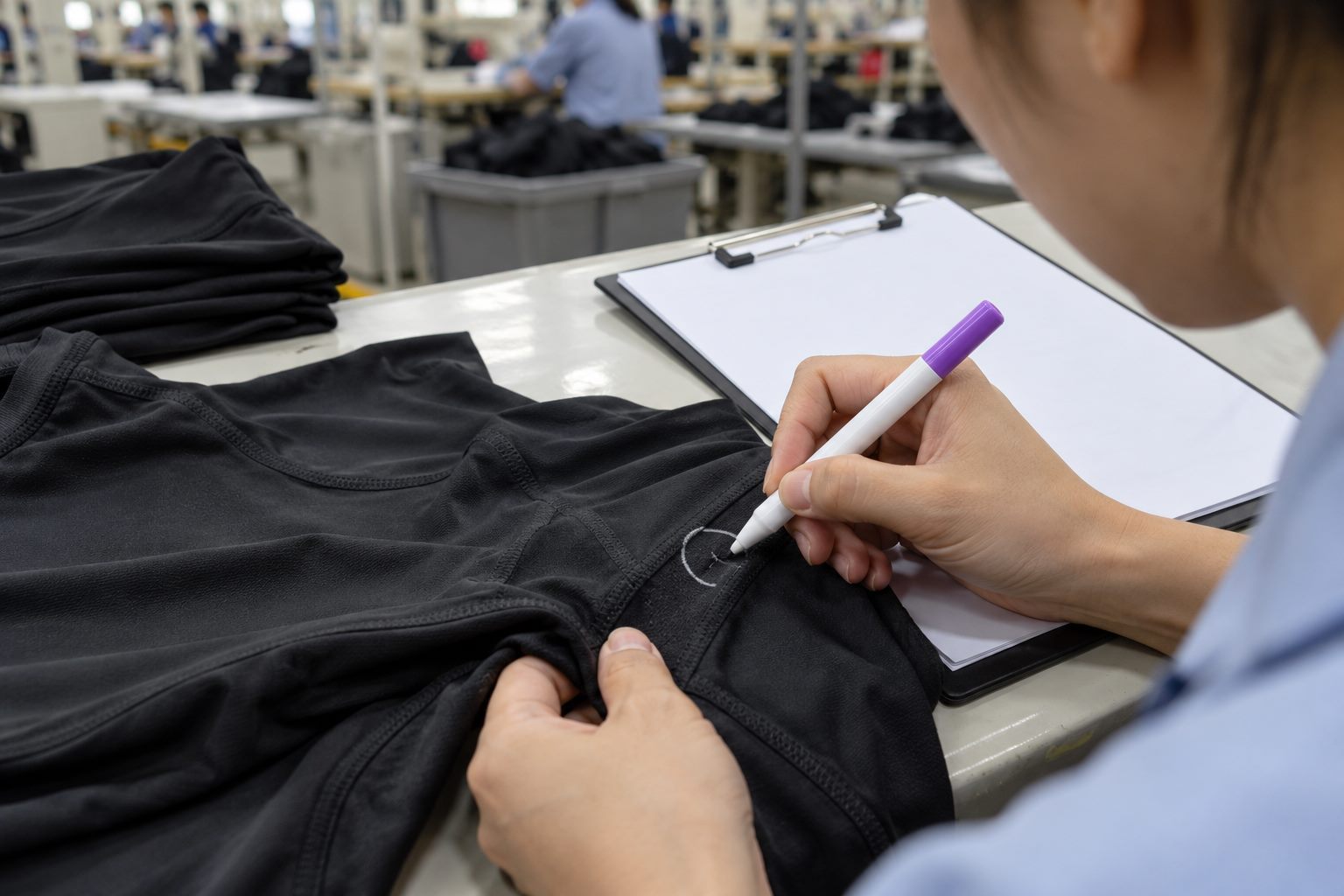
Photographs can clarify a defect, but they should supplement the written finding, not replace its location, quantity, criteria and disposition.
Common Inspection Planning Mistakes
- Waiting until packing to find recurring sewing defects. Set an early checkpoint for high-risk operations and record containment.
- Using “AQL” without a complete plan. Specify the standard edition, lot, level, sample and defect-class criteria.
- Changing the reference mid-run. Control specification revisions and record who approved each change.
- Writing only “pass” or “fail.” Keep measured values, defect locations, quantities and disposition.
- Assuming a sample proves every unit. State the limits of sampling and keep process checks in place.
Frequently Asked Questions
Is inline inspection the same as final inspection?
No. Inline inspection takes place during production and helps detect process issues while work is ongoing. Final inspection evaluates a completed or presented lot against the agreed release criteria.
Can a final inspection replace inline checks?
It can provide a final release decision, but it cannot recover all the time or cost of defects found late, and sample inspection does not verify every unit. Use checkpoints where earlier detection can limit repeat work.
Does AQL mean that the accepted lot contains that exact defect percentage?
No. AQL is an index used in defined acceptance sampling schemes. The sample size and acceptance/rejection numbers depend on the selected plan and lot details.
When should a failed lot be reinspected?
After the parties define the correction or sorting scope, identify the lot to be presented and agree on the reinspection plan. Keep the original findings and the reinspection result in the record.
Set the Inspection Plan Before Production
For each order, agree on inline checkpoints, final inspection timing, lot definition, reference documents, defect classes, sampling method, corrective-action process and release authority. Inline checks help teams act while production is running; final inspection gives the buyer and supplier a documented decision on the completed lot.
For related controls, see the activewear quality control guide and incoming fabric inspection checklist.