Low-MOQ Activewear Launch: A Startup Planning Example
- Share
- publisher
- Ohsurewear
- Issue Time
- Nov 10,2026
Summary
Plan a startup activewear launch with a 200-piece capsule example, MOQ calculations, sample checks, cost drivers and an approval checklist.
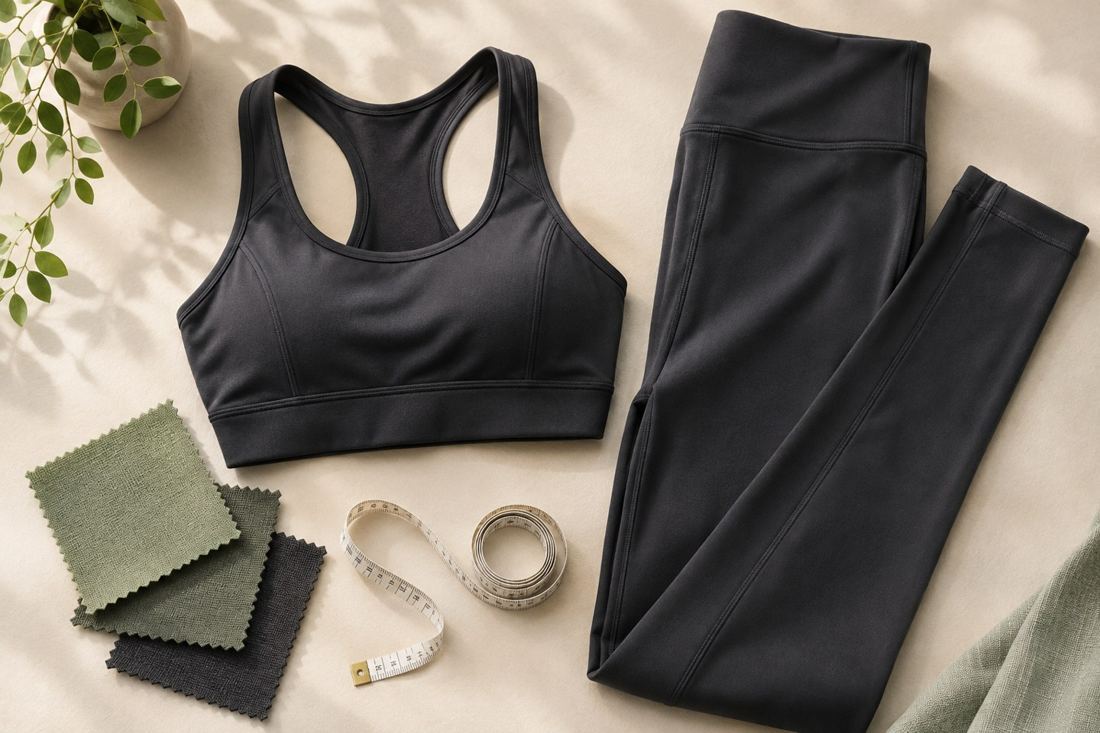
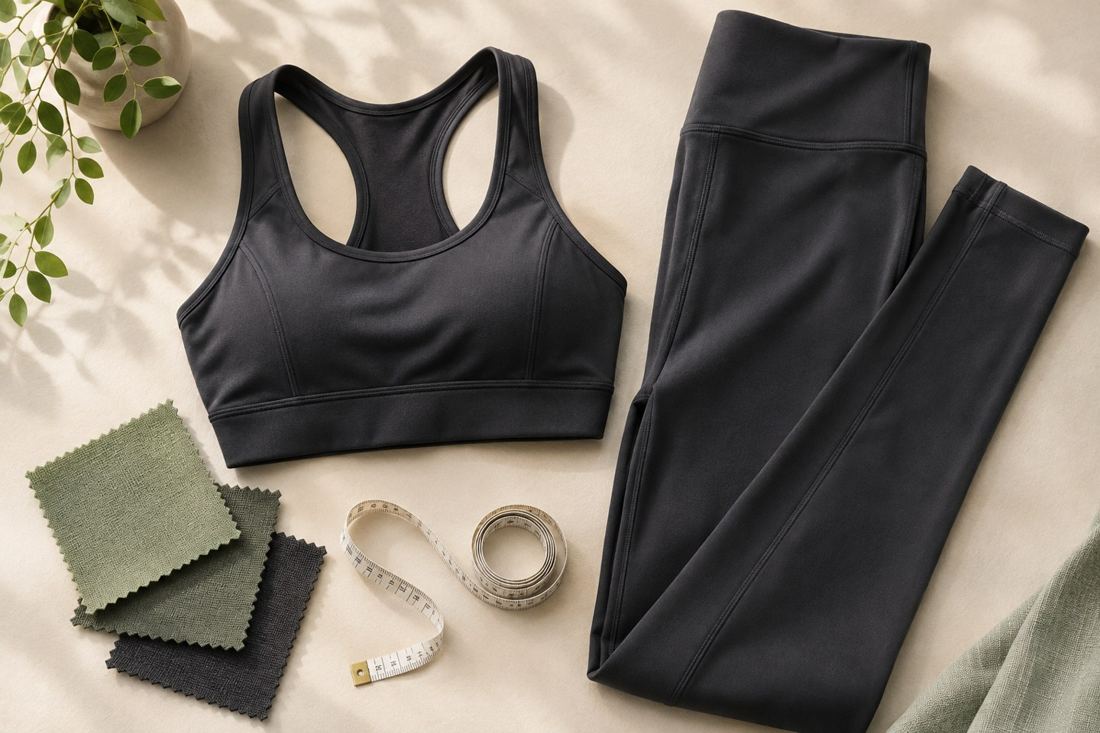
Evidence note: This article follows the B729-92 topic, launching a low-MOQ activewear collection for a startup. The supplied materials do not contain an authorized customer project with purchase records, dates and measured results. The scenario below is therefore a worked planning example. Its quantities are calculations, not historical order data.
What does low MOQ mean for an activewear startup?
A minimum order quantity, or MOQ, is the smallest quantity a supplier agrees to produce on a stated basis. That basis matters: per order, per style and per color are different commitments. “Low MOQ” is a relative description; it does not establish the total cash needed for a collection.
The Ohsure fact library records a starting quantity of 100 garments for each style-color combination, with sizes mixable within that combination. The official custom manufacturing page supports that scope. Material availability, decoration and packaging still need a written project quotation.
A style is a garment design. A colorway is its color version. A SKU usually identifies a sellable style-color-size variant. Five sizes do not automatically multiply a mix-size MOQ fivefold, but they do create more inventory positions to manage. If a matching outfit contains a bra and leggings, establish whether the supplier counts each garment separately or quotes a complete set.
Worked example: reduce color breadth before cutting essential fit work
Imagine a founder planning leggings and a sports bra for a first studio-to-gym collection. The initial idea has three colors for each garment. The revised idea keeps both garments but starts with one color. Both plans assume the published starting MOQ applies, five sizes are available and the supplier accepts the proposed size mix.
| Planning factor | Initial concept | Focused capsule | Decision implication |
|---|---|---|---|
| Garment styles | 2: leggings and sports bra | Same 2 styles | Preserve the outfit concept |
| Colors per style | 3 | 1 | Reduce the number of style-color commitments |
| Style-color combinations | 2 × 3 = 6 | 2 × 1 = 2 | Each combination must meet its confirmed minimum |
| Minimum garments | 6 × 100 = 600 | 2 × 100 = 200 | 400 fewer garments committed in this example |
| Sellable size variants | 2 × 3 × 5 = 30 SKUs | 2 × 1 × 5 = 10 SKUs | Fewer inventory positions to allocate and monitor |
| Maximum complete outfits | 300 two-piece sets | 100 two-piece sets | Only if size availability can support matching outfits |
| Development approvals | Each style plus relevant color approvals | Each style plus the chosen color approvals | Two garments still need separate fit and construction approval |
The calculation is styles × colors per style × confirmed MOQ when the same minimum applies to every combination. For an uneven assortment, add the quantities for each combination instead. Here, a narrower assortment reduces the minimum unit commitment by about 67%. It does not prove a 67% reduction in total launch cost: sample development and other fixed expenses may remain, and unit quotes may change.
Choose the first color from customer research, positioning and sample performance. Charcoal is only the visual example here. A dark color does not, by itself, establish opacity or colorfastness.
Seven steps from a collection idea to an approved first order
- Write a use-case brief. Define the intended wearer, activity, size range, sales market, target retail positioning and planned launch window. State what the garments must do during movement. Avoid asking for “premium quality” without identifying the fit, fabric feel and construction details that matter.
- Build a style-color-size matrix. For the 200-garment example, an illustrative allocation for each style is XS 10, S 25, M 30, L 25 and XL 10. That totals 100 per style. This is a calculation example, not a recommended demand curve. Bra and legging customers may need different sizes, so validate each allocation independently before deciding to sell only fixed-size sets.
- Compare the development route. Ask what an available private-label base can accommodate and what requires new pattern or construction work through OEM/ODM development. Keep the comparison specific to your brief. Confirm ownership, reuse permissions, modification limits and charges rather than assuming those terms.
- Approve fabric and branding together. Use the fabric guide to frame the discussion, then request the exact composition, weight, finish, color reference and availability. Test the proposed logo on that material. A shared color name does not guarantee a match across the outer fabric, lining and elastic.
- Review each sample against written criteria. Measure the agreed points using a defined method. Check waistband behavior, seam comfort, opacity during intended movement, and bra fit and support for the planned use. Record wearer feedback by garment and size. Agree any wash-check method before comparing results; do not turn a casual try-on into an unsupported performance claim.
- Freeze the approved revision. Give the final sample, measurement sheet, artwork and bill of materials a common revision reference. Confirm size quantities, inspection scope and packaging before authorizing bulk. If a fabric, logo or pattern changes later, identify which approvals need to be repeated.
- Inspect, receive and learn before expanding. Compare the received order with the approved specification and record quantities and discrepancies promptly under the agreed claim procedure. After launch, track sales and fit feedback by SKU. Use those records to decide whether the next order should add a color, replenish a size or revise a garment.
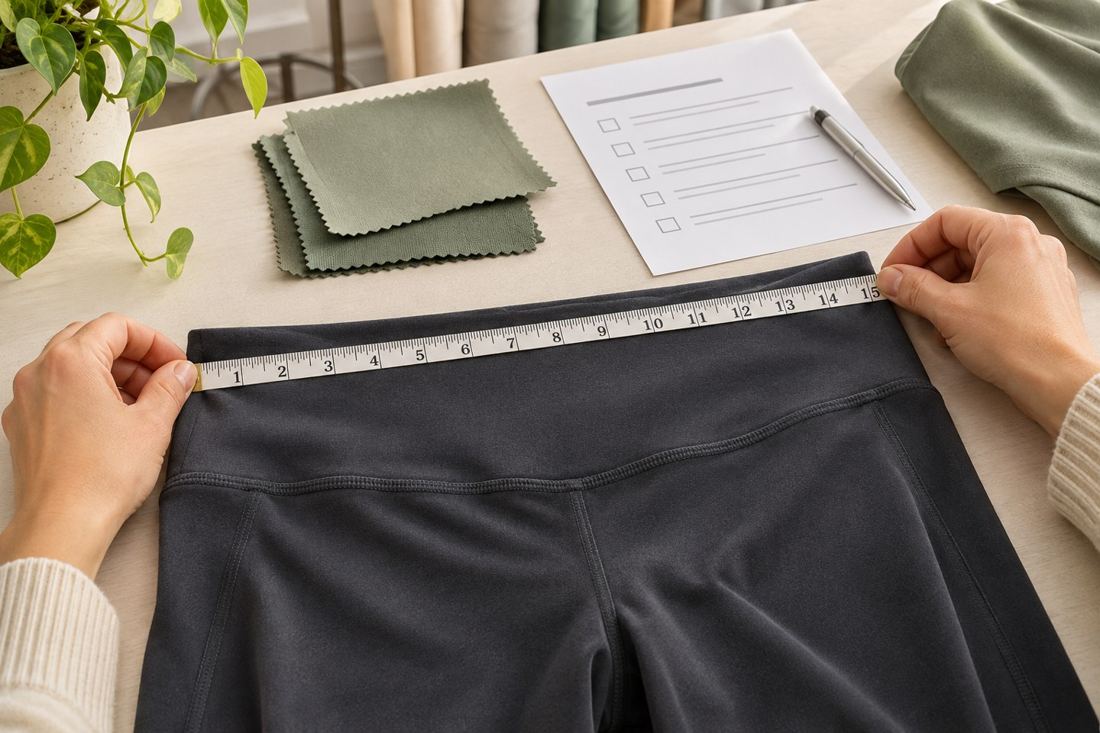
When evaluating styles, compare the relevant gym leggings product range and sports bra product range. Catalog examples help communicate a starting direction; only the approved specification defines the order.
What determines the real budget and launch date?
Build a budget that separates garment quantities from development and delivery expenses. Ask which items are included in the unit price so a label, inspection or packaging charge is not counted twice.
| Factor | What to confirm | Why it matters |
|---|---|---|
| Garment price | Separate quotes for 100 leggings and 100 bras, using approved specifications | A set price may hide different component costs |
| Development | Pattern, samples, revisions, grading, testing and any charge-credit conditions | Fixed expenses remain even when bulk quantity falls |
| Materials | Stock availability, dyeing minimums, trims and substitutions | A small garment order can still face material constraints |
| Branding and packing | Logo setup, labels, hangtags, bags, carton requirements and minimums | Each extra component needs cost and approval time |
| Inspection and delivery | Inspection scope, destination, transport scope and excluded charges | Production completion is different from stock ready to sell |
| Schedule | Start conditions, approvals, material readiness, dispatch and arrival assumptions | A provisional estimate needs named dependencies |
Cost model: for this capsule, merchandise cost = 100 × the quoted legging price + 100 × the quoted bra price. Add development, branding, inspection, packing and delivery costs only where excluded from those quotes. Keep a separate allowance for contingencies and for selling expenses such as photography and fulfillment. No supplier price or profit outcome is assumed here.
Time model: map brief review, sample development, revisions, final approval, material readiness, production, inspection and transport. Some work may overlap; ask the supplier which dependency controls the dispatch date. Confirm whether quoted days are working or calendar days and what starts each period.
The fact library flags inconsistent sample and bulk timelines across Ohsure pages. For this reason, sample timing should be confirmed after reviewing design, materials and customization; bulk timing should be confirmed against approved specifications, material availability and the production schedule. A product launch announcement should leave room for receipt checks and preparation after delivery.
Common mistakes that make a low-MOQ launch harder
- Treating 100 pieces as an unrestricted collection minimum. Count every style-color combination before comparing supplier offers.
- Buying more units to chase a lower unit quote. Compare total cash committed and demand evidence. An attractive price does not resolve unsold size or color inventory.
- Dividing sizes equally without customer information. A balanced spreadsheet is not proof of a balanced market. Document the assumptions behind each size allocation.
- Approving the outfit from one attractive photograph. Inspect the garments separately and together. Fit, color matching, movement and labeling need their own review.
- Changing the specification after approval without logging it. A revised logo or fabric may require a new sample check and schedule confirmation.
- Expanding after an unmeasured launch. Record sales, exchanges and fit comments by SKU before using the first batch to justify more colors.
What the Ohsure manufacturing perspective adds
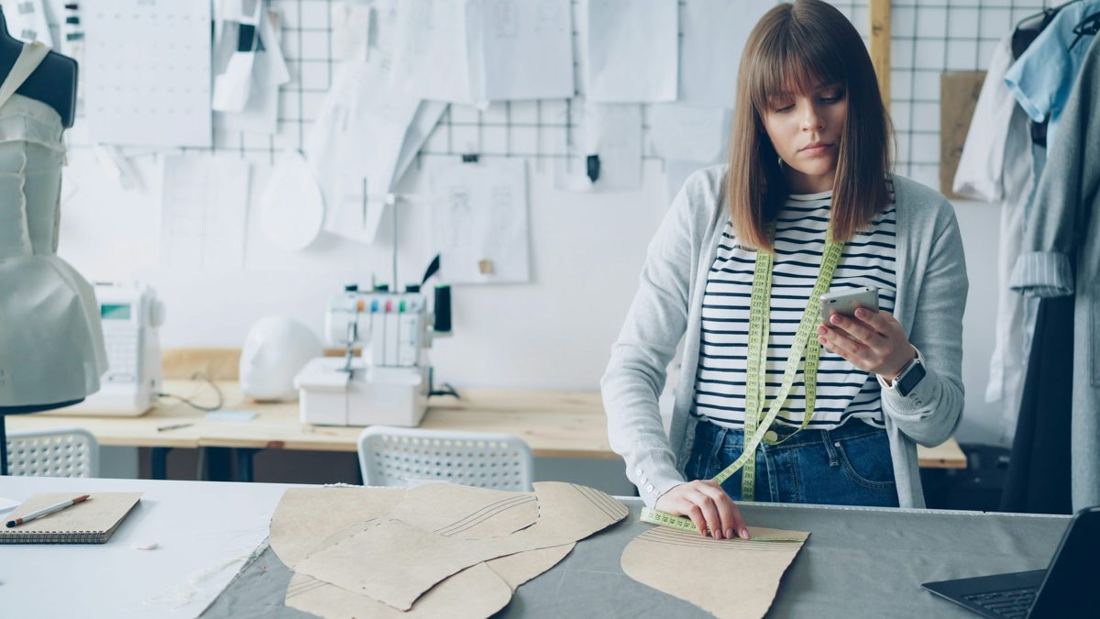
The fact library identifies Ohsurewear as a Dongguan-based supplier supporting OEM, ODM and private-label activewear. Its documented service categories make it possible to discuss the garment, branding and packing brief together. The private-label service page provides context for those branding options.
For a founder, the practical lesson is to make each decision reviewable: identify the exact base garment, specify requested modifications and keep one approved revision. This is an editorial recommendation drawn from the service scope, rather than a claimed account of an actual customer project.
Ohsure’s quality-control page describes checks at raw-material, printing, semi-finished and finished-garment stages. Ask how the relevant checks will apply to your small order, including measurement tolerances, inspection sampling and reporting. A published inspection description does not establish a particular acceptance standard, laboratory result or defect-free outcome.
First-order approval checklist
Copy these fields into your purchase brief. Assign an owner and a record reference to each one; an unresolved field should remain visible before production approval.
- Style IDs, chosen color references, size range and quantities by size.
- Confirmed MOQ basis, unit of sale and whether set components can use different sizes.
- Approved fabric, trims, construction and sample revision.
- Measurement method, tolerances and documented fit feedback.
- Approved logo artwork, placement, labels and packing instructions.
- Inspection scope, acceptance agreement and discrepancy-reporting procedure.
- Itemized quotation, payment milestones, delivery scope and confirmed schedule dependencies.
- Launch learning plan: sales by SKU, fit feedback and reorder decision date.
The most useful “result” of this planning exercise is a complete, approved order brief. Revenue, sell-through and customer satisfaction would need separate post-launch evidence.
Frequently asked questions
Can I order 100 pieces across leggings and sports bras?
The published starting MOQ applies to each style and color. Under that basis, one legging style and one sports bra style in one color require 100 of each: 200 garments in total. Confirm the exact order basis in your quotation.
Does 200 garments mean 200 matching sets?
No. In the planning example, 100 leggings plus 100 sports bras equal 200 garments and at most 100 two-piece sets, assuming compatible size availability. Ask whether a set quotation is priced per garment or per complete set.
Can sizes be mixed within the minimum order?
Ohsurewear states that mixed sizes are available within a style and color. Confirm the offered size range and any size-level restrictions, then agree a written quantity matrix. The example allocation in this article is illustrative and does not predict your customer demand.
Is private label always cheaper than custom OEM?
No universal price ranking applies. Compare the same fabric, construction, branding, quantity and delivery scope. Ask which development charges apply and whether an existing design actually meets your intended fit and positioning.
How long will a first collection take?
Obtain a schedule after the design, materials and customization requirements are reviewed. Allow for sampling, revisions, approvals, material readiness, bulk production, inspection and transport. Published website lead times vary, so this article does not treat a generic range as a project commitment.
Can the sports bra and leggings use the same fabric?
Possibly, but approve each garment separately. Lining, support construction, stretch, recovery and opacity requirements can differ. Even when a base fabric is shared, confirm color matching across components and the suitability of each approved construction.
What should I check before paying for bulk production?
Confirm the sample revision, measurements and tolerances, fabric and color references, branding, size quantities, inspection agreement, packing instructions, payment milestones and shipment scope. Record any unresolved point before authorizing the next stage.
Is this a real Ohsure customer success story?
No. It is a transparent planning example based on the Ohsure article fact library and public service information. No customer identity, purchase order, delivery result, sales uplift or return-rate improvement is claimed. A verified case would require customer authorization and project records.