Moisture-Wicking Fabric Explained: Tests, Standards and Limitations
- Share
- publisher
- Ohsure
- Issue Time
- Sep 28,2026
Summary
Compare moisture-wicking, drying and vapor transmission tests. Includes AATCC method selection, wash-durability checks and a blank fabric comparison record.
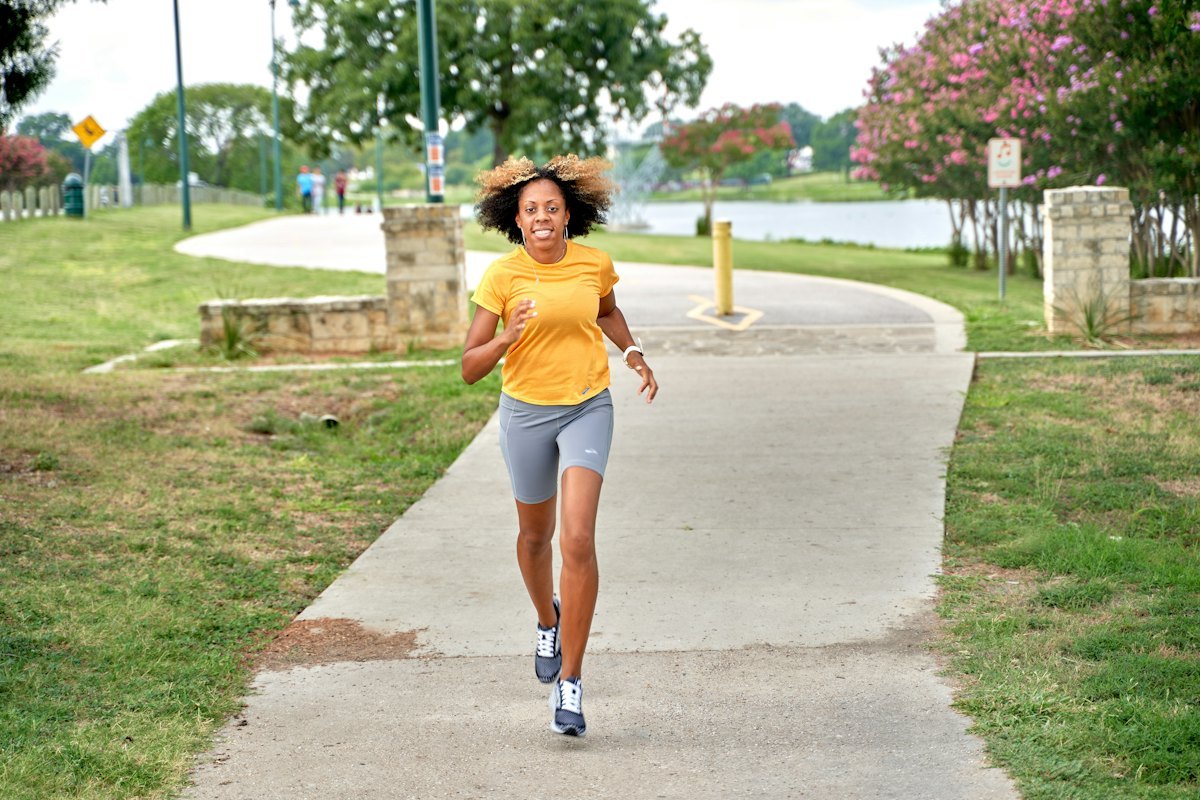
Activewear fabric testing
Moisture-wicking fabric moves liquid through or along its structure, but wicking alone does not prove fast drying or wearer comfort. Buyers should match the claim to a test method, compare the same fabric condition and orientation, and check performance after agreed laundering. Keep liquid transport, drying and water-vapor transmission as separate approval criteria.
1. Define the Performance You Actually Need
A shirt described as moisture-wicking may spread a droplet across its surface, move liquid along yarn pathways, or transfer liquid between its two faces. These observations answer different questions. A water drop disappearing from view does not show where the water went or how quickly the garment will become dry.
For purchasing, write the desired behavior before choosing a test: liquid should move away from the intended skin face, disperse under the agreed conditions, and leave the material at an acceptable rate. Define which of these properties the product claim covers. Avoid turning a fiber label into a performance guarantee.
| Property | Question to ask | What it does not establish |
|---|---|---|
| Wetting / absorbency | How readily does the specified liquid wet the specimen? | Direction of transport or time to dry |
| Wicking / liquid transport | How does liquid move along or through the textile? | Evaporation rate or comfort in every climate |
| Drying | How quickly is the applied water removed under a defined setup? | The same drying behavior in a layered garment |
| Water-vapor transmission | How does vapor pass through the material under specified conditions? | Liquid transport from a wet skin-facing surface |
Use the activewear fabric guide to place moisture performance alongside stretch, coverage and durability. The GSM guide explains weight as another specification; weight alone should not be used as a substitute for moisture testing.
2. Match the Standard to the Claim
The AATCC standards directory separates absorbency, wicking, drying and vapor transmission into different methods. The following is a selection aid, not an operating procedure. Ask the laboratory to confirm the applicable edition, specimen preparation, instrument settings and reporting requirements from the complete method.
| Method | Measurement focus | Buyer’s interpretation |
|---|---|---|
| AATCC TM79 | Absorbency | Useful for a wetting question; insufficient by itself for a directional transport claim. |
| AATCC TM195 | Liquid moisture management | Request the report outputs and specimen-face identification rather than only a supplier’s overall grade. |
| AATCC TM197 | Vertical wicking to specified distances | Compare time to the same target distance under the same method conditions. |
| AATCC TM213 | Vertical wicking at specified times | Compare the height reached at the same observation time. |
| AATCC TM198 | Horizontal wicking | A different geometry from a vertical strip; keep the method identity visible. |
| AATCC TM201 | Drying on a heated plate | An independent drying assessment, not a wicking measurement. |
| AATCC TM204 | Water-vapor transmission | Use for the vapor question; avoid substituting this for liquid transport. |
| AATCC TM217 | Vertical and horizontal wicking by image analysis | Confirm the imaging method and reported metric before comparing with older datasets. |
Three details that prevent misleading comparisons
AATCC split the vertical-wicking options in 2022: TM197 addresses specified distances and TM213 addresses specified times. A time result and a height result cannot be ranked as though they were the same metric. Keep fabric direction and units beside each value.
TM195’s published scope concerns liquid moisture behavior in knitted, woven and nonwoven fabrics. It is not a universal comfort certificate. Identify which face was treated as skin-facing and preserve the laboratory’s metric definitions.
TM201’s public scope describes a prescribed water volume with a heated plate set at 37°C. That temperature is one method condition, not a universal prediction of wear. TM217, introduced in 2025, uses imaging to assess vertical and horizontal movement; do not assume its outputs are interchangeable with every strip-test result.
3. Build a Comparable Sample and Parameter Plan
A report is useful only when it can be connected to the fabric being purchased. Record the material code, construction, finish, color and lot. Distinguish a development swatch from a production sample. If a finish or color changes, assess whether the earlier report still represents the proposed supply.
| Parameter | Record before testing | Reason |
|---|---|---|
| Identity | Fabric code, composition, knit/weave, GSM, finish, color and lot | Prevents borrowing a result from a different material |
| Orientation | Fabric length/width direction and skin-facing side | Direction and face selection affect interpretation |
| Condition | As received or laundered; conditioning details | Results from different preparation states may not be comparable |
| Method | Full designation, edition, lab and any deviations | Makes the result reproducible and its limits visible |
| Liquid / exposure | Method-specified liquid, applied amount and exposure details | A casual droplet demonstration is not a controlled comparison |
| Instrument / environment | Relevant settings, temperature, humidity and airflow | Especially important when interpreting drying |
| Sampling | Specimen count, roll locations and individual measurements | Shows variability rather than only a favorable average |
| Acceptance | Metric, units, limit, reference material and decision rule | Prevents a pass threshold being chosen after results are seen |
The numerical settings and specimen count must come from the selected method and agreed test plan. This guide does not invent a universal requirement such as “all sportswear must wick a certain number of centimeters in five minutes.” Set product-specific limits before testing and connect them to the intended claim.
4. Compare New and Laundered Samples
- Choose a relevant reference. Compare the candidate with an approved fabric that addresses the same product brief. Keep both sample identities in the report.
- Plan matched conditions. Allocate specimens to as-received and specified laundering states. Use the chosen method’s sampling requirements rather than repeatedly wetting one specimen and treating each run as independent.
- Document care. Record wash program, detergent, additives, drying procedure and cycle count. Use the care conditions relevant to the claim and tell the laboratory about any departure from its prescribed preparation.
- Test the selected properties separately. Keep wicking, liquid management and drying results in their own units. A drying improvement does not cancel a failure in a separately required transport property.
- Review individual values. Look for variation across specimens and directions. Investigate anomalous values and invalid runs; retain the reason for any exclusion.
- Approve a defined scope. Name the material, color, condition and claim supported. Extend approval to other lots or finishes only through an agreed sampling and change-control plan.
For a durability claim, one unwashed test is incomplete evidence. Equally, a change after washing should be reported as an observed result, not automatically attributed to a particular finish without further investigation. The care process itself is part of the evidence.
5. Read Results Without Overstating Them
Start with the method, unit and direction of improvement. Less time to reach a fixed distance means faster movement to that endpoint under the test conditions. Greater distance after a fixed time means more travel during that interval. Neither observation independently establishes faster evaporation.
| Report pattern | Reasonable interpretation | Next step |
|---|---|---|
| Liquid transport meets the limit; drying does not | The two requirements are not both satisfied | Review drying results and construction against the intended product |
| As-received samples meet limits; washed samples do not | Evidence does not support the requested wash-durability scope | Investigate and retest a revised candidate |
| Only a pooled average is supplied | Specimen variability is unclear | Request individual values and the sampling basis |
| Method edition or face orientation is missing | The comparison is incomplete | Clarify before ranking candidates |
| Two labs used different methods | Numerical ranking may be invalid | Retest under an aligned method or explain the comparison limits |
Use precise product language such as “Tested for vertical wicking using [method and edition] in [condition], with [measured result and unit].” Fill those fields only from an actual report. Avoid “keeps everyone dry,” “permanent wicking,” or an unsupported percentage improvement.
If an internal calculation compares drying times, label the calculation and baseline. A shorter measured time under one setup should not be rewritten as an equal percentage improvement in comfort. Do not merge incompatible test metrics into a single marketing score without a defined and justified model.
6. Check the Finished Garment
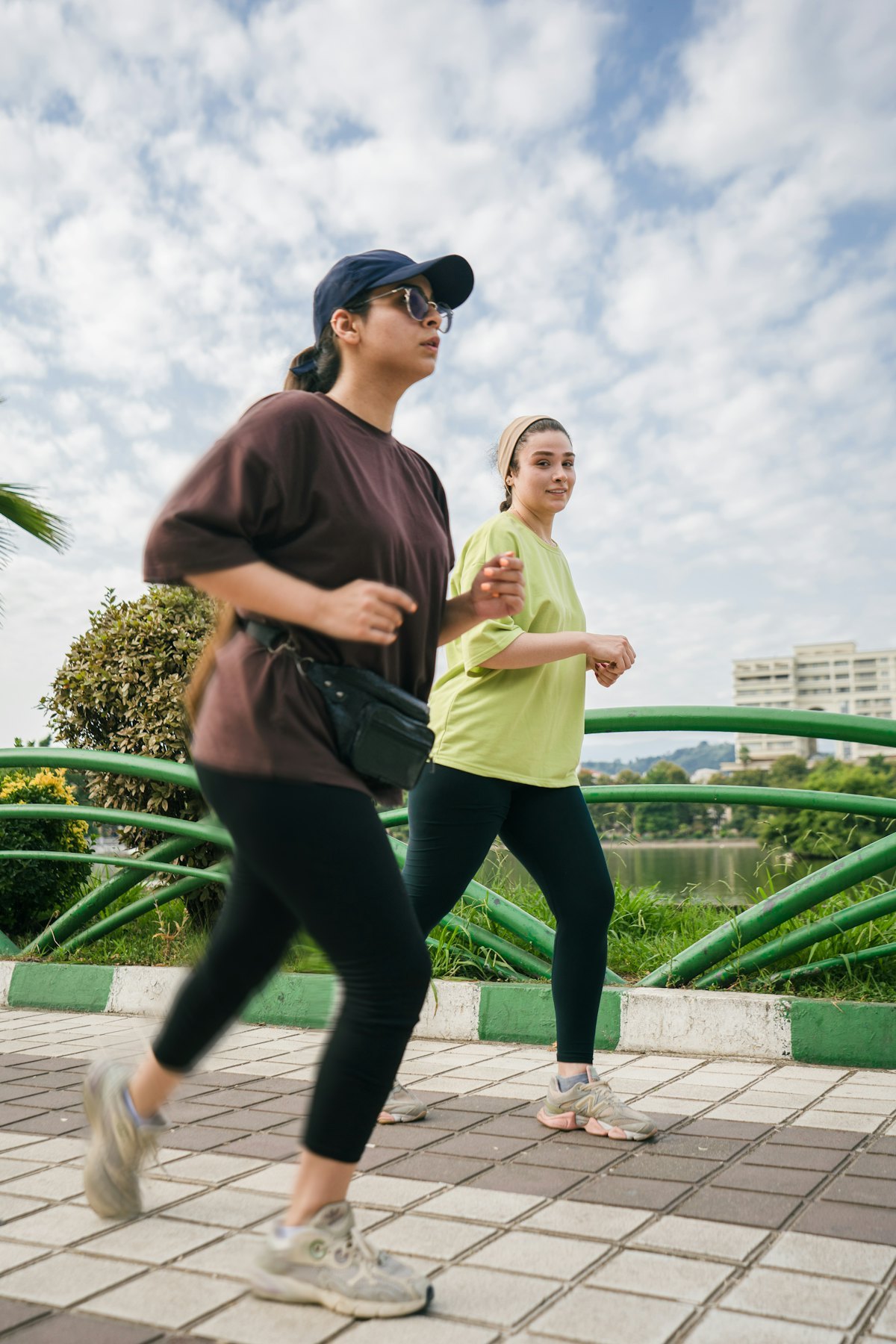
Laboratory fabric comparisons narrow the choices, but the garment adds fit, layering, seams, trims and contact with the wearer. A printed panel, lining or bonded area may behave differently from an unprinted swatch. Select finished samples that represent the proposed design, then use a documented wear evaluation as additional development evidence.
For that evaluation, record activity, duration, environment, garment size, layers and the assessment questions. Keep subjective feedback distinct from instrument measurements. Obtain permission for wearer records and photos. A small development trial can reveal problems; it does not substantiate a universal claim across users and climates.
Moisture behavior also does not replace mechanical approval. Check stretch and residual growth using the stretch recovery guide, with the appropriate test method, alongside the chosen moisture tests. The purchasing decision should meet all critical requirements rather than select the fabric with the most impressive single number.
7. A Blank Record for Your Next Fabric Comparison
Use this record to commission and review testing. All result fields are intentionally blank: no original laboratory measurements accompany this article.
| Record field | Candidate A | Candidate B |
|---|---|---|
| Fabric / color / lot | ___ | ___ |
| Method / edition / laboratory | ___ | ___ |
| Face / direction / preparation | ___ | ___ |
| Care program / cycle count | ___ | ___ |
| Relevant exposure and settings | ___ | ___ |
| Specimen count / raw data attachment | ___ | ___ |
| Liquid transport result + unit | ___ | ___ |
| Drying result + unit | ___ | ___ |
| Acceptance limit for each metric | ___ | ___ |
| Variability / deviations / limitations | ___ | ___ |
| Report ID / reviewer / date / disposition | ___ | ___ |
Preparing an Ohsure sampling brief
For an Ohsure custom sportswear project, provide the intended activity, garment type, reference fabric, colors, fit, expected care and exact claim you want to support. Attach existing reports with their sample identifiers. Ask for a written confirmation of sample availability, testing responsibility, laboratory scope, cost and timing before placing testing in the production approval schedule.
Request a traceable sample and report for the proposed material, and specify how a fabric, finish or color substitution will be reviewed. This is a proposed buyer–supplier approval workflow; it does not claim that Ohsure owns particular instruments or has already tested the fabrics discussed here.
Frequently Asked Questions
Does polyester automatically mean moisture-wicking?
No. A fiber name alone does not establish the liquid transport or drying behavior of the finished textile. Request results for the actual construction, finish and color proposed.
Can a water-drop video prove the claim?
It can show an observation under the filmed conditions. Without a defined liquid amount, specimen condition, timing and method, it is insufficient to substantiate a broad performance claim.
Which is better: TM197 or TM213?
Choose by the question. TM197 evaluates travel to specified distances; TM213 evaluates travel at specified times. Use an aligned method and conditions for a fair comparison.
Does a high moisture-management grade prove quick drying?
Do not assume so. Request the relevant drying test and examine its method, units and conditions separately.
Should testing include washing?
Include the laundering states covered by your claim. Record the complete care procedure and cycle count, then compare specimens under the same test method.
Is there one pass score for all activewear?
This guide specifies no universal score. The buyer and testing laboratory should agree product-specific limits, metrics and sampling before results are reviewed.
Sources and Scope
Method selection above is based on the linked AATCC directory and public method summaries. Complete licensed methods are needed to perform standards-based testing; this article does not reproduce them. The checklists, interpretation matrix and comparison form are editorial tools, not completed test reports.