Nursing Activewear Manufacturer vs Ready-Made Supplier: Which Is Better?
- Share
- Issue Time
- Jun 30,2026
Summary
Compare nursing activewear manufacturers and ready-made suppliers. Learn which option is better for private label brands, product quality, customization, cost, and growth.
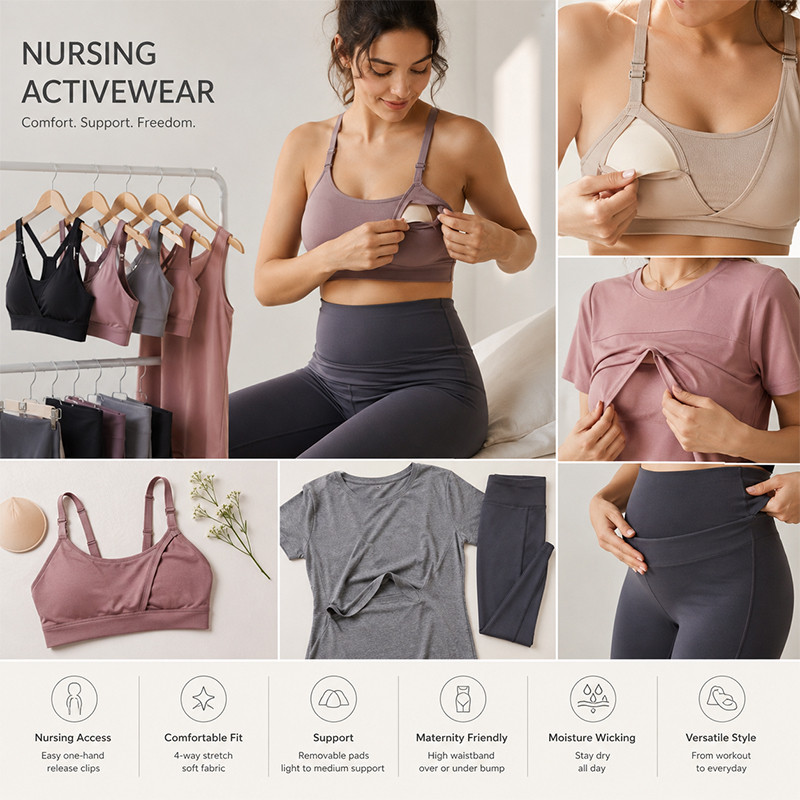
Choosing between a nursing activewear manufacturer and a ready-made supplier affects product quality, branding, cost, delivery speed, and long-term growth. This guide helps private label brands understand which sourcing model is better for their business.
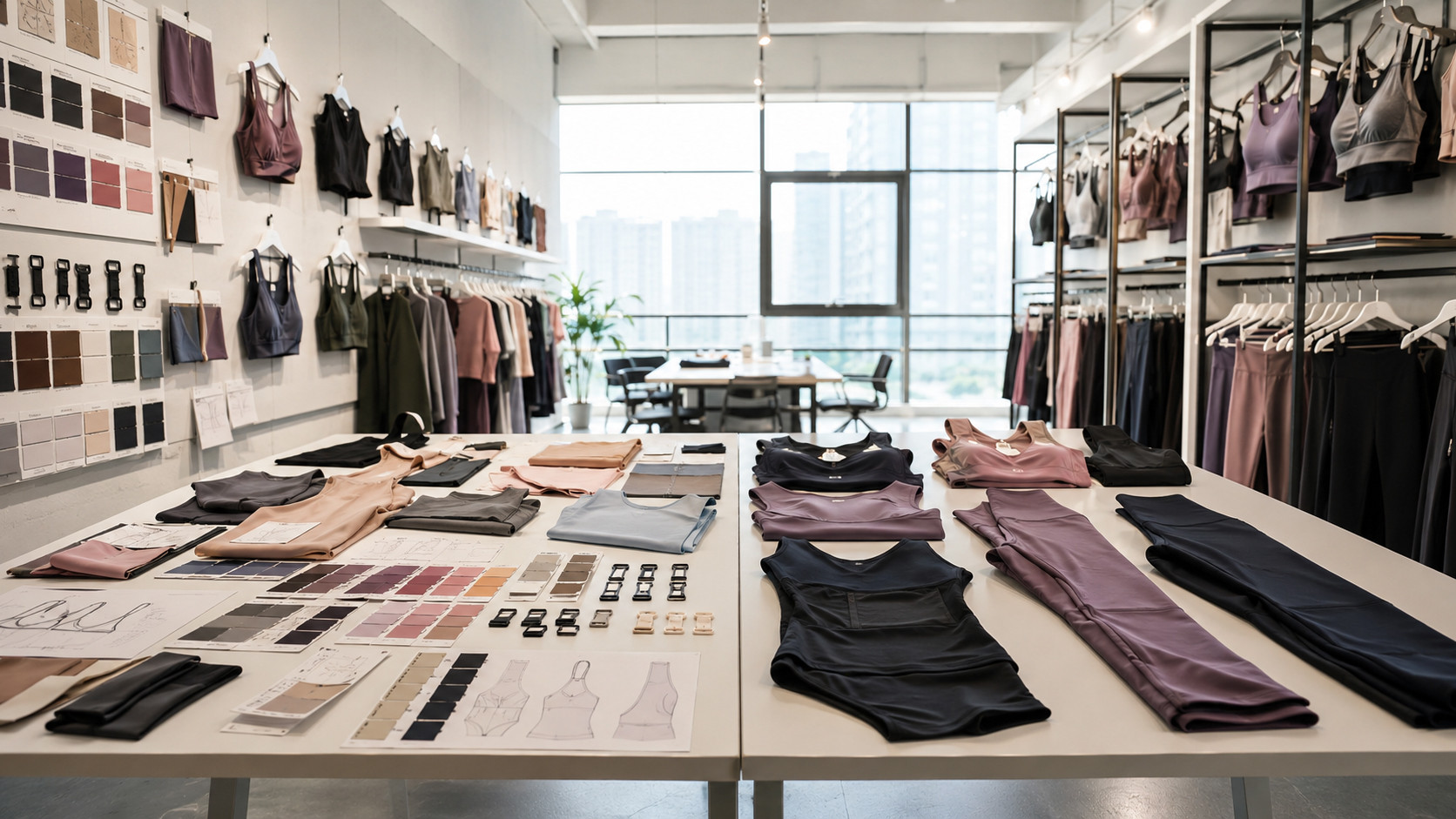
Launching a nursing activewear brand involves more than choosing attractive products. Brand owners need to consider fit, nursing function, fabric comfort, support level, quality consistency, and customer experience.
A custom activewear manufacturer develops products based on your brand requirements, while a ready-made supplier sells existing products that may also be available to other sellers.
What Is the Difference Between a Nursing Activewear Manufacturer and a Ready-Made Supplier?
A nursing activewear manufacturer produces garments according to your specifications. You can control the fabric, size grading, nursing opening, support structure, logo placement, color, packaging, and final quality standard.
A ready-made supplier provides products that are already designed and stocked. This model is faster, but customization is limited and product differentiation is weaker.
Nursing Activewear Manufacturer
- OEM and ODM production
- Custom nursing function development
- Private label branding
- Custom fabrics and colors
- Size grading and fit adjustment
- Long-term product development support
Ready-Made Supplier
- Existing inventory
- Limited customization
- Faster purchase process
- Lower startup cost
- Generic sizing
- Shared product designs
Which Option Requires Less Initial Investment?
Ready-made suppliers usually require less initial investment because the products are already developed. Brands do not need to pay for fabric sourcing, pattern making, sampling, or product testing at the beginning.
A manufacturer requires more preparation before bulk production. However, this investment gives the brand ownership of product specifications and stronger control over future collections.
| Factor | Nursing Activewear Manufacturer | Ready-Made Supplier |
|---|---|---|
| Startup Cost | Higher because sampling and development are required. | Lower because products already exist. |
| Product Ownership | Strong ownership of design, fit, fabric, and branding. | Weak ownership because similar products may be sold to others. |
| Customization | High flexibility for fabric, function, logo, and packaging. | Usually limited to simple logo or label changes. |
| Long-Term Value | Better for building a private label brand. | Better for short-term market testing. |
Which Option Gives Better Brand Differentiation?
Custom manufacturing gives brands stronger differentiation because every detail can be developed around a specific customer group. Nursing activewear customers often care about comfort, convenience, support, and discreet feeding access.
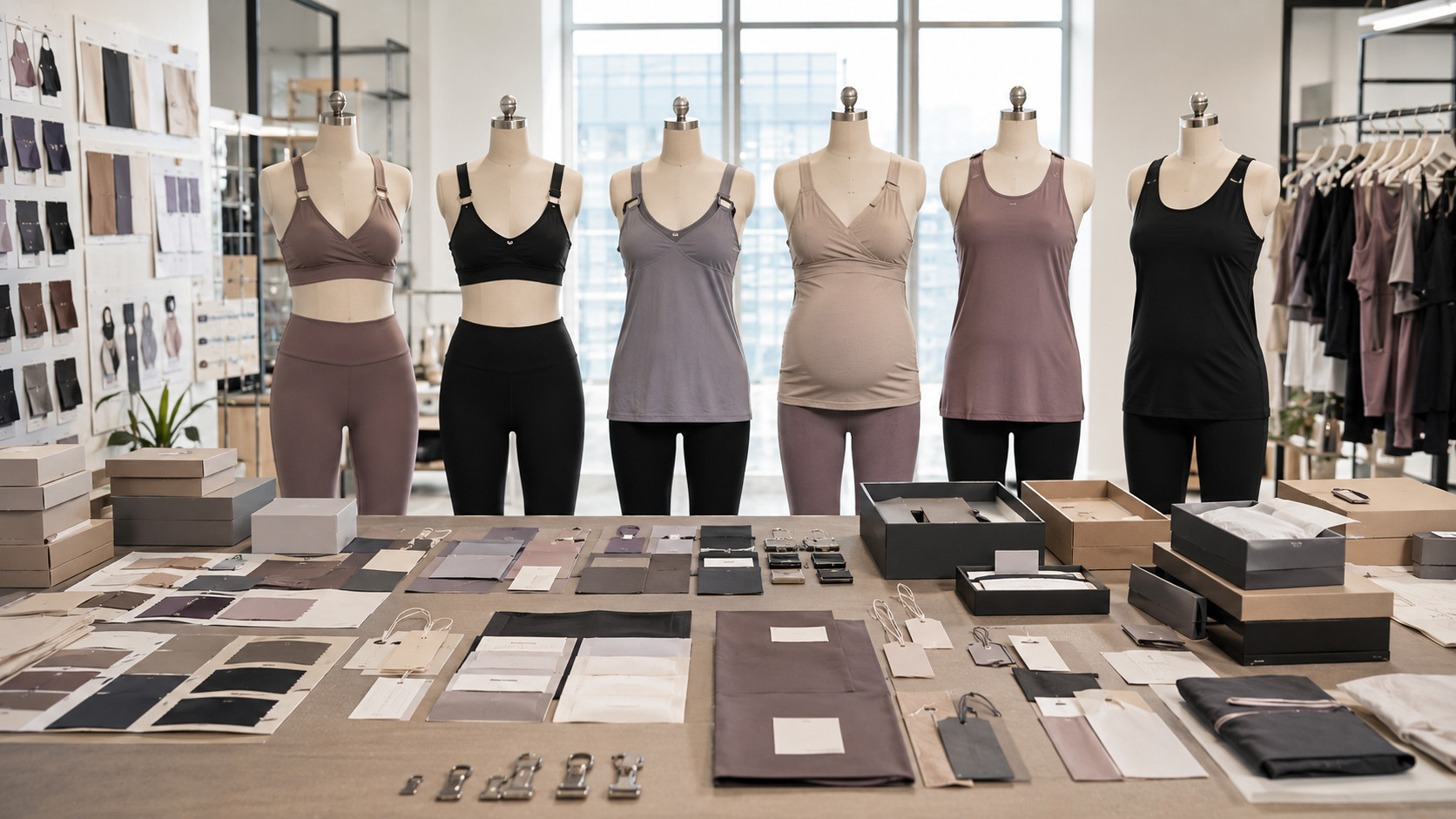
Through private label activewear production, brands can customize labels, hang tags, packaging, colors, trims, and product structure to create a more professional brand image.
Customizable Product Details
- Nursing clip system
- Hidden feeding opening
- Removable padding
- Support level
- Fabric composition
- Logo application
- Woven label and care label
- Custom packaging
How Do Product Quality Levels Compare?
Manufacturers usually control quality from the fabric stage to the final shipment. This makes it easier to maintain consistent sizing, stable workmanship, and reliable product performance.
Ready-made suppliers mainly inspect finished inventory. If the fabric, stitching, or fit does not meet your brand standard, there may be limited room for adjustment.
Important Quality Checkpoints
- Fabric inspection
- Stretch recovery testing
- Color fastness checking
- Seam strength inspection
- Nursing clip durability testing
- Measurement inspection
- Final packaging review
A professional quality control process helps reduce sizing problems, fabric defects, loose stitching, and shipment risks.
Textile performance testing is often guided by recognized organizations such as ASTM International, which publishes widely used standards for material testing and product performance.
Which Option Offers Better Fabric Choices?
Fabric selection is one of the biggest advantages of working with a manufacturer. Nursing activewear needs soft touch, stretch, support, breathability, and recovery after repeated wear.
Manufacturers can source fabrics according to your product positioning. For example, premium nursing sports bras may require nylon spandex with strong recovery, while nursing tops may use softer bamboo blends or cotton stretch fabrics.
Common Fabric Options
- Nylon spandex
- Polyester spandex
- Bamboo blend fabrics
- Organic cotton stretch fabrics
- Recycled polyester
- Moisture-wicking performance fabrics
- Four-way stretch fabrics
Brands can compare fabric performance through a professional activewear fabric guide before confirming bulk production.
For safety-sensitive apparel, certifications such as OEKO-TEX® STANDARD 100 are commonly referenced in textile sourcing.
For nursing activewear, fabric is not only about appearance. The right material affects comfort, support, feeding convenience, washing durability, and customer reviews.
Which Option Supports Better Product Innovation?
A manufacturer supports product innovation because new styles can be developed through sampling, fitting, testing, and revision. This process is especially important for functional nursing apparel.
Ready-made suppliers usually offer fixed styles. If the nursing opening, strap structure, or support level is not suitable, the brand may not be able to change the product.
Nursing Function Development
- One-hand nursing clips
- Hidden zipper feeding access
- Pump-friendly openings
- Removable cup design
- Adjustable shoulder straps
Performance Development
- Moisture management
- Compression support
- Breathable construction
- Lightweight stretch fabric
- Squat-proof leggings fabric
Many brands also expand from nursing apparel into custom maternity activewear and custom breastfeeding clothing solutions.
Which Option Scales Better as Your Brand Grows?
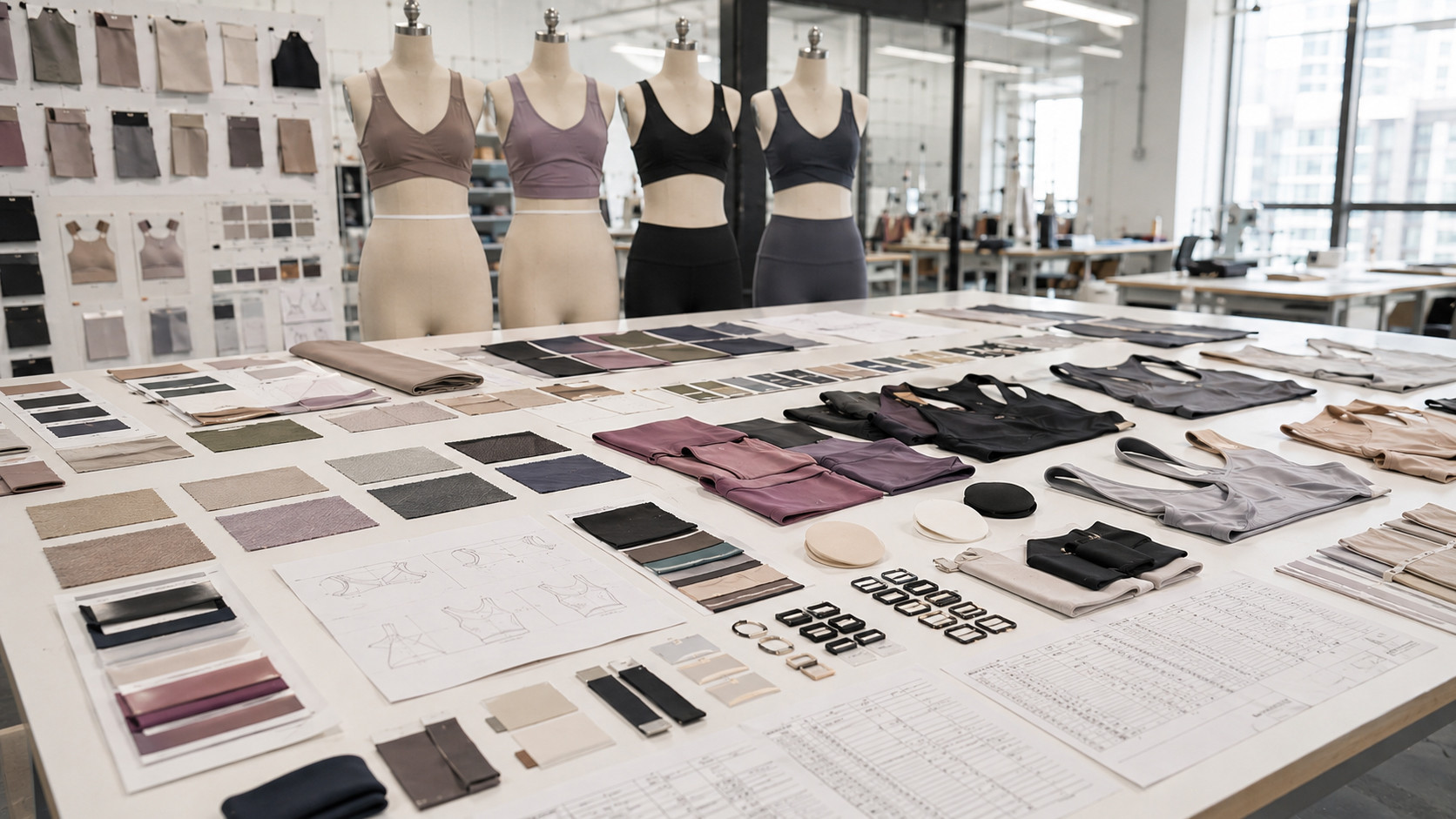
Scaling a nursing activewear brand requires stable production, consistent quality, repeatable sizing, and reliable delivery planning. A manufacturer is usually better for long-term growth.
Ready-made suppliers may be useful at the testing stage, but inventory availability can become a problem when brands need repeat orders or seasonal updates.
A professional activewear supply chain system supports fabric planning, production scheduling, quality inspection, packaging, and shipment coordination.
How Does Lead Time Compare?
Ready-made products are faster because they are already in stock. This is useful when a brand needs quick product testing or urgent inventory.
Manufacturing takes longer during the first order because sampling and approval are required. After the first production cycle, repeat orders become easier because the approved pattern and specifications are already confirmed.
| Stage | Manufacturer | Ready-Made Supplier |
|---|---|---|
| Product Development | Required | Not required |
| Sampling | Usually 7–10 days | Not needed |
| Bulk Production | Usually 25–35 days | Immediate stock depends on inventory |
| Repeat Orders | More stable after approval | Depends on stock availability |
Which Business Model Produces Better Profit Margins?
Ready-made products may look cheaper at first, but margins can be limited because competitors may sell the same or very similar products.
Custom manufacturing helps brands build higher perceived value. Exclusive fabrics, better fit, custom packaging, and nursing-specific details make it easier to position products at a premium price.
Industry research from McKinsey & Company retail insights often highlights the importance of differentiation in competitive consumer markets.
Which Option Is Better for Different Buyers?
| Buyer Type | Better Option | Reason |
|---|---|---|
| New startup testing demand | Ready-made supplier | Lower cost and faster launch. |
| Private label nursing brand | Manufacturer | Better branding, fit control, and product uniqueness. |
| Shopify brand | Manufacturer | Stronger product identity and repeatable quality. |
| Amazon seller | Ready-made first, manufacturer later | Useful for validation, then upgrade for differentiation. |
| Established activewear brand | Manufacturer | Better for seasonal collections and long-term scaling. |
Can One Manufacturer Support More Activewear Categories?
Yes. Many growing brands prefer working with one manufacturer that can support several product categories under one production and quality system.
A full-category manufacturer can support women's sportswear, custom sports bras, custom leggings, custom tank tops, and custom hoodies.
This reduces sourcing complexity and helps brands keep fabric quality, logo standards, color consistency, and packaging style more unified.
Frequently Asked Questions
Is a ready-made supplier suitable for new nursing activewear brands?
Yes. A ready-made supplier can be useful for testing the market quickly with a lower budget. However, it may not support long-term brand differentiation.
When should a brand switch from ready-made products to custom manufacturing?
A brand should consider switching when it has stable sales, repeat customers, and a clear need for better fit, better quality, exclusive design, and private label branding.
Can a manufacturer customize nursing functionality?
Yes. A manufacturer can develop nursing clips, hidden openings, adjustable straps, removable pads, support panels, and other functional details based on your requirements.
Is custom manufacturing better for premium nursing activewear?
Yes. Premium nursing activewear usually requires better fabric, better support, more careful fitting, and stronger quality control. These requirements are easier to manage through manufacturing.
Conclusion: Which Is Better?
Ready-made suppliers are better for fast testing and lower initial investment. Nursing activewear manufacturers are better for brands that want long-term growth, product differentiation, quality control, and stronger profit margins.
If your goal is to build a serious private label nursing activewear brand, working with an experienced manufacturer gives you more control over fabric, fit, function, branding, packaging, and production quality.
Explore our activewear product collection or learn more about our manufacturing process to plan your next nursing activewear project.