Private Label Fitness Apparel Manufacturers: OEM & ODM Solutions for Global Brands
- Share
- Issue Time
- Jan 8,2026
Summary
Discover professional private label fitness apparel manufacturers offering OEM and ODM solutions for global brands. Learn how to launch activewear faster, customize fabrics, control quality, and scale your brand worldwide with expert manufacturing partners.
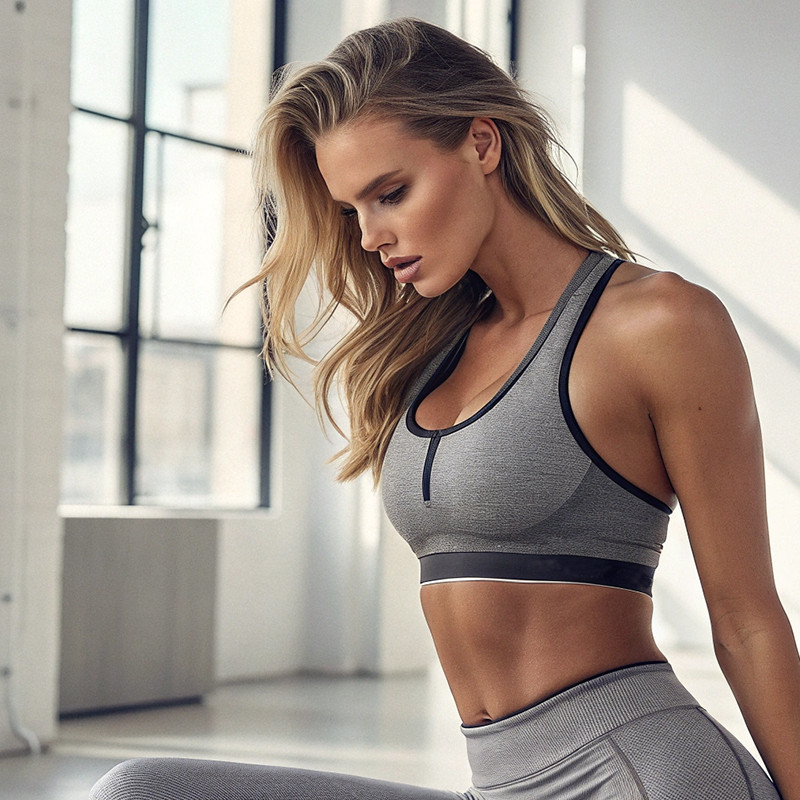
As the global activewear market continues to expand, brands are under increasing pressure to launch faster, differentiate clearly, and scale efficiently. For many fitness and athleisure brands—especially emerging DTC labels, e-commerce sellers, and international wholesalers—working with private label fitness apparel manufacturers has become the most practical path to market.
Rather than investing heavily in in-house production, global brands are leveraging OEM and ODM manufacturing solutions to reduce risk, control costs, and focus on brand building. Understanding how private label manufacturing works—and how to choose the right production model—can directly impact product success, profitability, and long-term scalability.
This guide explains how private label fitness apparel manufacturing works, the differences between OEM and ODM, and what global brands should expect from a professional manufacturing partner.
What Is Private Label Fitness Apparel Manufacturing?
Private label fitness apparel manufacturing allows brands to sell activewear products under their own brand name while outsourcing production to a specialized factory. The manufacturer handles garment development, sourcing, production, and quality control, while the brand focuses on design direction, branding, and market positioning.
In the fitness apparel industry, private label manufacturing commonly covers products such as:
• Yoga leggings and gym tights
• Sports bras and performance tops
• Two-piece gym sets
• Compression wear and training apparel
Private label models are especially attractive because they offer shorter development cycles, lower upfront investment, and flexible customization. Brands can customize logos, colors, fabrics, trims, sizing, and packaging without building an entire supply chain from scratch.
OEM vs ODM in Fitness Apparel: Which Model Fits Your Brand?
When working with private label fitness apparel manufacturers, brands typically choose between OEM (Original Equipment Manufacturing) and ODM (Original Design Manufacturing) models. While both support private label production, they serve different brand needs.
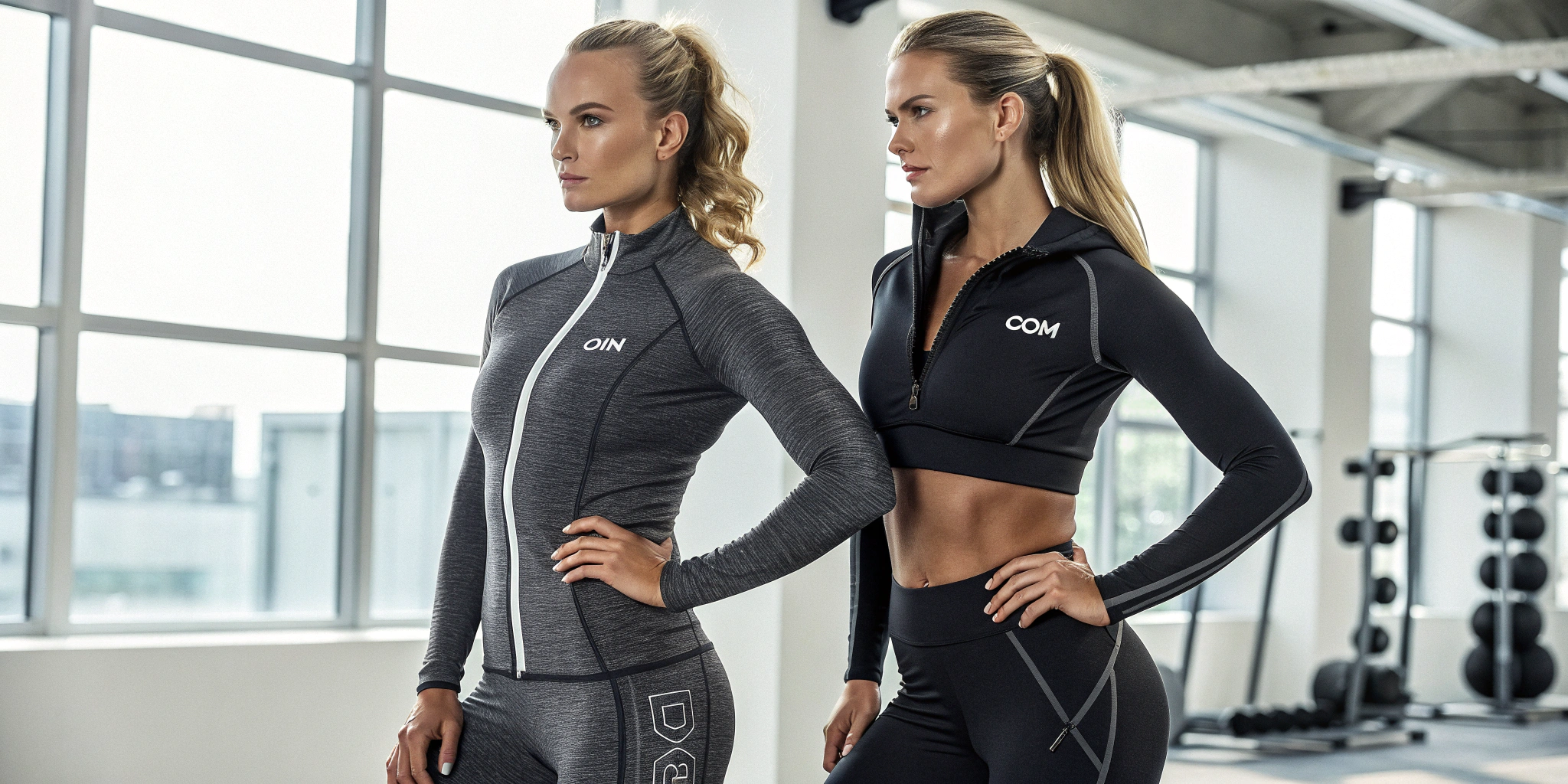
OEM: Full Design Control for Established Brands
Under the OEM model, the brand provides detailed design specifications, including:
• Technical design packs
• Fabric and material requirements
• Fit measurements and grading
• Construction and stitching details
The manufacturer executes production based on these instructions. OEM is ideal for brands that already have design teams or strong product differentiation strategies.
OEM advantages:
• Maximum design ownership
• Clear brand uniqueness
• Suitable for premium or patented products
OEM considerations:
• Longer development timelines
• Higher sampling costs
• Greater technical responsibility for the brand
ODM: Faster Market Entry with Proven Designs
ODM manufacturing allows brands to select from a factory’s existing designs and customize them with branding, colors, fabrics, and minor structural changes. This model significantly reduces development time and cost.
ODM advantages:
• Faster time to market
• Lower R&D and sampling investment
• Ideal for startups and fast-scaling brands
ODM considerations:
• Limited exclusivity
• Design shared with multiple clients (unless exclusivity is negotiated)
For many global brands, a hybrid approach works best—starting with ODM to validate the market, then transitioning to OEM as the brand matures.
Key Capabilities Global Brands Expect from Private Label Manufacturers
Not all private label fitness apparel manufacturers offer the same level of expertise. Global brands increasingly look beyond price and focus on manufacturing capability, reliability, and long-term partnership value.
Fabric Expertise and Performance Knowledge
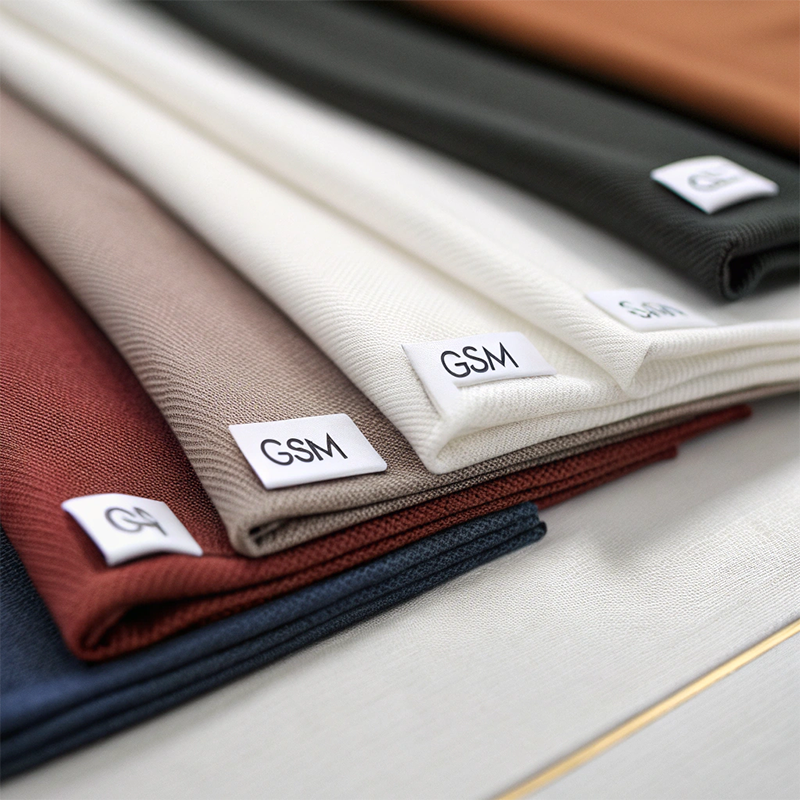
High-quality activewear depends on fabric performance. A professional manufacturer should offer deep knowledge of:
• Nylon and nylon-spandex blends for softness and durability
• Polyester blends for color retention and cost efficiency
• Four-way stretch, moisture-wicking, and breathability
• Squat-proof and compression performance
Fabric sourcing flexibility is critical, especially for brands targeting different markets with varying climate and performance expectations.
Customization and Branding Execution
Private label fitness apparel is only effective if branding is executed consistently. Manufacturers should support:
• Heat transfer, silicone, embroidery, and reflective logos
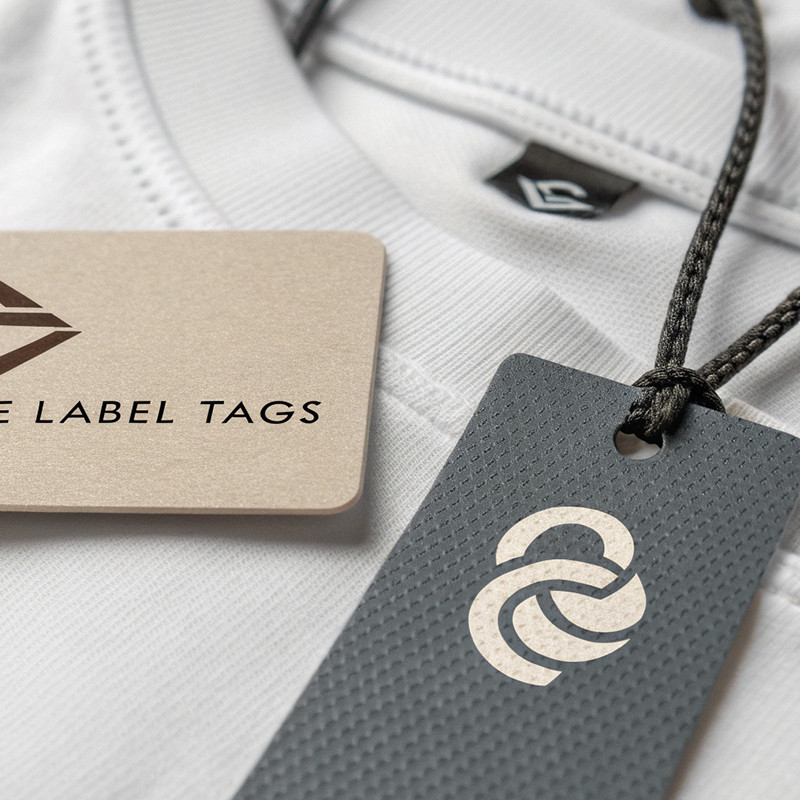
• Custom labeling, hangtags, and packaging
• Color matching and Pantone control
Attention to branding details directly affects perceived product value in competitive markets.
Low MOQ and Sampling Capability
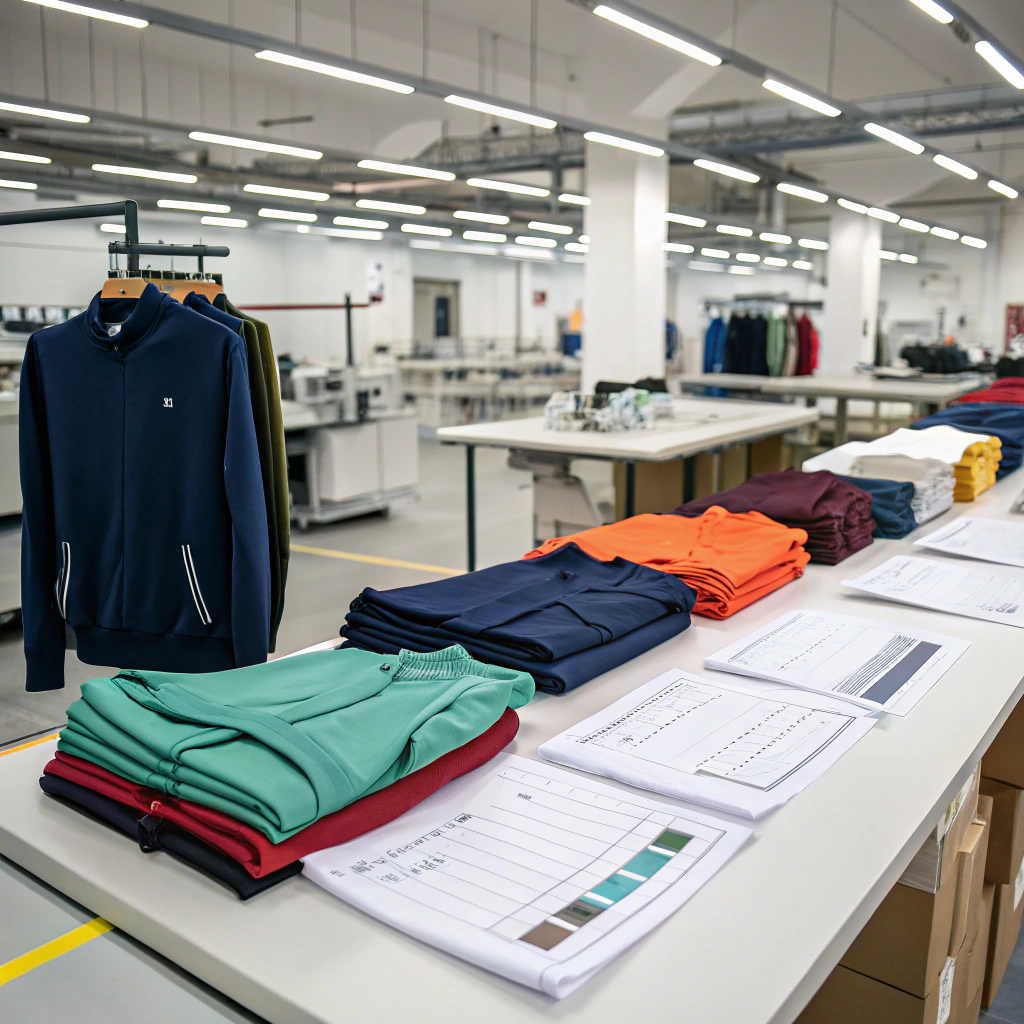
For new brands and test launches, low minimum order quantities are often essential. Experienced manufacturers understand this and offer flexible MOQ structures, particularly for ODM or repeat styles.
Equally important is a structured sampling process, including fit samples, pre-production samples, and size set approval.
Quality Control and Compliance
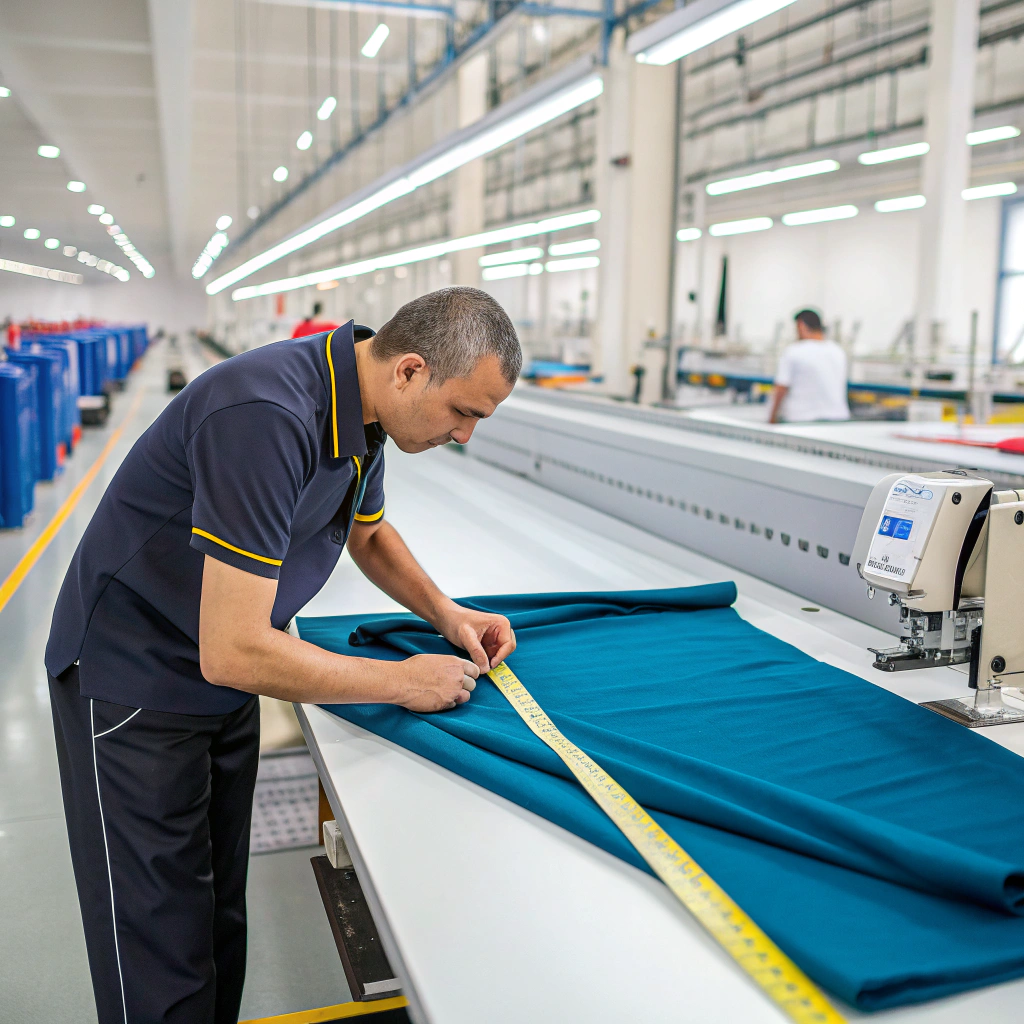
Global brands must meet regional compliance requirements. Reliable private label manufacturers typically operate under systems such as:
• ISO quality management standards
• BSCI or equivalent social compliance
• OEKO-TEX or fabric safety certifications
Consistent QC processes reduce return rates, customer complaints, and brand risk.
How Private Label Fitness Apparel Manufacturers Support Global Brand Scaling
Beyond production, the right manufacturing partner plays a strategic role in brand growth.
From Sample to Bulk Production
Professional factories follow standardized workflows:
1. Design confirmation
2. Fabric sourcing and lab dips
3. Sampling and fit adjustments
4. Pre-production approval
5. Bulk manufacturing
6. Final inspection and shipment
This structure ensures predictability and scalability as order volumes grow.
Market Adaptation for Global Distribution
Different markets demand different fits, fabrics, and compliance standards. Experienced manufacturers help brands adapt products for:
• North American sizing preferences
• European sustainability expectations
• Asia-Pacific performance trends
This adaptability is critical for brands expanding internationally.
Sustainability and Long-Term Cost Optimization
As sustainability becomes a purchasing factor, manufacturers increasingly support:
• Recycled and eco-friendly fabrics
• Reduced packaging solutions
• Waste-minimization processes
Long-term partnerships also unlock cost efficiencies through fabric consolidation, production optimization, and improved yield rates.
Why Private Label Helps Brands Launch Faster Than Fully Custom Designs
From a manufacturing perspective, many emerging fitness brands fail not because of poor branding, but because they over-invest in complexity too early. Custom fabrics, unique constructions, and excessive SKU variations often delay launches and strain cash flow.
Private label—especially through ODM—allows brands to validate demand quickly using proven product structures. Once sales data and customer feedback are available, transitioning to OEM becomes a strategic upgrade rather than a risky bet.
In today’s competitive activewear market, speed, consistency, and execution matter more than perfection at launch.
Final Thoughts
Choosing the right private label fitness apparel manufacturer is not just a sourcing decision—it’s a strategic partnership that shapes product quality, brand reputation, and scalability.
By understanding OEM and ODM models, evaluating manufacturer capabilities, and aligning production strategy with brand maturity, global brands can build stronger, more resilient activewear businesses.
For brands seeking speed, flexibility, and professional execution, private label manufacturing remains one of the most effective paths to global growth.