Quality Control Standards Used by a Professional Custom Activewear Manufacturer
- Share
- Issue Time
- Mar 2,2026
Summary
Professional custom activewear manufacturers follow strict quality control standards including ISO systems, AQL inspection, and fabric performance testing to ensure durability, fit, and brand protection.
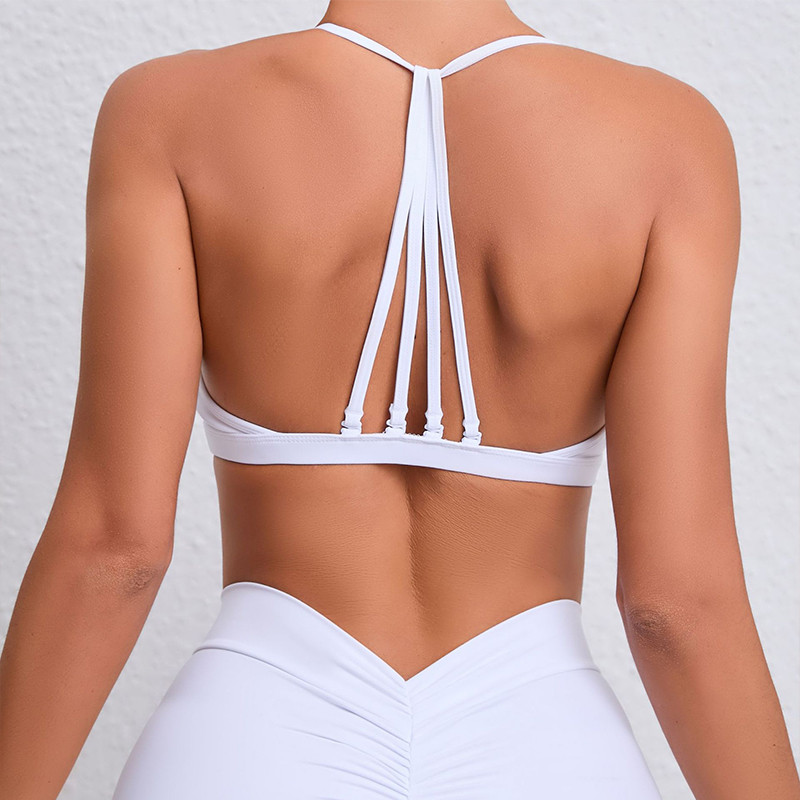
In the competitive world of activewear, quality is not optional — it is the foundation of brand reputation. Whether you are launching a new fitness brand or scaling an established sportswear label, working with a professional custom activewear manufacturer that follows strict quality control standards is critical to your long-term success.
From fabric performance to stitching durability, every detail matters. In this guide, we’ll break down the essential quality control standards used by professional activewear manufacturers and how they protect your brand from costly production mistakes.
Why Is Quality Control Critical in Custom Activewear Manufacturing?
The Impact of Poor Quality on Brand Reputation
Activewear is performance-driven apparel. Customers expect durability, stretch recovery, sweat resistance, and comfort. If leggings become see-through after stretching or sports bras lose elasticity after washing, your brand reputation suffers immediately.
In the age of social media reviews and influencer marketing, even a small defect rate can damage brand credibility.
Performance Requirements Unique to Activewear
Unlike regular fashion garments, activewear must meet technical performance standards:
• 4-way stretch capability
• Moisture-wicking performance
• Colorfastness against sweat
• Compression support
• Seam strength under tension
These technical requirements demand a structured and scientific quality control system.
Why International Buyers Demand Strict QC Standards
Global buyers, especially from North America and Europe, often require compliance with internationally recognized systems such as:
• International Organization for Standardization (ISO)
• ASTM International
• BSCI
Without meeting these benchmarks, manufacturers may fail third-party inspections or brand audits.
What Quality Control Standards Do Professional Activewear Manufacturers Follow?
Professional custom activewear manufacturers implement structured QC frameworks that control defects at every stage.
ISO-Based Quality Management Systems
Most reputable factories operate under ISO 9001 guidelines. This ensures:
• Standardized operating procedures
• Traceable production records
• Continuous improvement systems
• Defined responsibility at each stage
ISO does not guarantee zero defects — but it guarantees a controlled process.
AQL (Acceptable Quality Limit) Inspection Standards
AQL is widely used in apparel manufacturing. It defines how many defective pieces are acceptable within a batch.
Most professional activewear manufacturers apply:
• AQL 2.5 for major defects
• AQL 4.0 for minor defects
This statistical method protects buyers before shipment.
Fabric Performance Testing Standards
Before bulk production, fabrics must undergo laboratory testing, including:
• Shrinkage test
• Colorfastness to washing
• Colorfastness to perspiration
• Pilling resistance
• Stretch recovery testing
Common Quality Standards in Activewear Manufacturing | |||
| Standard | Purpose | Applied Stage | Why It Matters |
ISO 9001 | Quality management system | Entire production | Ensures process control |
| AQL 2.5 | Defect tolerance control | Pre-shipment | Reduces risk of returns |
ASTM Testing | Fabric performance | Raw material stage | Guarantees durability |
| BSCI Audit | Social compliance | Factory audit | Ethical production |
Social Compliance & Factory Audits
Modern brands care not only about product quality but also ethical production. Audits such as BSCI or SEDEX evaluate:
• Working conditions
• Wage compliance
• Fire safety
• Environmental responsibility
Passing these audits increases buyer trust and long-term cooperation.
How Does a Custom Activewear Manufacturer Control Quality at Each Production Stage?
Quality control is not a single inspection — it is a layered system.
1. Raw Material Inspection (Fabric & Trims)
Before production starts, QC teams inspect:
• Fabric GSM accuracy
• Color consistency
• Stretch elasticity
• Logo print durability
• Accessory quality (zippers, elastic bands, labels)
Defects caught here prevent large-scale losses later.
2. Pre-Production Sample Verification
A pre-production (PP) sample is approved before bulk production begins. This ensures:
• Correct sizing
• Stitch density compliance
• Logo placement accuracy
• Fabric behavior under stress
Only after client approval does mass production proceed.
3. In-Line Production Inspection
During sewing, QC inspectors check:
• Seam strength
• Stitch consistency
• Thread trimming
• Alignment accuracy
Inline inspection prevents defect accumulation.
4. Final Random Inspection Before Shipment | |||
| Before packing, inspectors randomly check cartons according to AQL standards. | |||
| Quality Control Checklist by Production Stage | |||
Production Stage | QC Focus | Inspection Method | Risk Prevented |
Fabric Sourcing | Shrinkage & stretch | Lab testing | Fabric failure |
Cutting | Size accuracy | Measurement check | Size inconsistency |
Sewing | Seam durability | Inline inspection | Stitch breakage |
Finishing | Logo accuracy | Visual inspection | Branding errors |
| Packing | SKU & labeling | Carton audit | Shipment mistakes |
5. Packing & Label Accuracy Check
Incorrect labels or SKU mismatches can cause customs delays and retail chaos. Professional manufacturers perform:
• Barcode scanning
• Size ratio verification
• Carton weight validation
What Fabric and Performance Tests Are Essential for Activewear Quality?
Activewear must perform under pressure — literally.
Stretch & Recovery Testing
Ensures the fabric returns to original shape after repeated stretching.
Moisture-Wicking & Breathability Tests
Performance sportswear must pull sweat away from the body. Lab tests simulate real workout conditions.
Anti-Pilling & Abrasion Resistance
High-friction areas like inner thighs or underarms require durability testing to prevent surface damage.
Colorfastness to Washing & Sweat
Sweat can cause dye migration. Testing ensures no color bleeding occurs during exercise.
Shrinkage Control Standards
Fabric shrinkage must stay within acceptable limits (usually under 3–5%) to maintain size consistency after washing.
How Can Brands Evaluate a Manufacturer’s Quality Control System?
Choosing the right custom activewear manufacturer goes beyond price comparison.
Questions to Ask Before Placing an Order
• What AQL standard do you follow?
• Do you provide fabric test reports?
• Can you support third-party inspection?
• How do you handle defective units?
Requesting Inspection Reports & Test Certificates
Professional manufacturers can provide:
• Fabric lab test reports
• Inline inspection records
• Final inspection documentation
Transparency is a sign of strong QC management.
Conducting Third-Party Inspections
Brands can hire independent inspection companies to verify production quality before shipment. Reliable factories welcome third-party audits.
Why Factory Transparency Matters
A manufacturer confident in its quality control system will:
• Share production videos
• Provide real-time updates
• Allow virtual or on-site audits
This level of transparency reduces risk and builds long-term trust.
Final Thoughts
Quality control standards are the backbone of professional custom activewear manufacturing. From ISO management systems to AQL inspections and fabric performance testing, every layer of QC protects your brand from defects, returns, and reputation damage.
When choosing a custom activewear manufacturer, prioritize structured quality systems over low pricing. A slightly higher production cost often results in significantly lower post-sale risk.
If your brand aims to build a long-term presence in the activewear market, partnering with a manufacturer that implements strict quality control standards is not just a preference — it is a strategic necessity.