Sports Wear Manufacturing in China: What Every Brand Should Know Before Choosing a Factory
- Share
- Issue Time
- Dec 11,2025
Summary
Learn how sports wear manufacturing in China works, what materials are used, OEM/ODM options, production flow, pricing factors, and how to choose a reliable activewear factory for your brand.
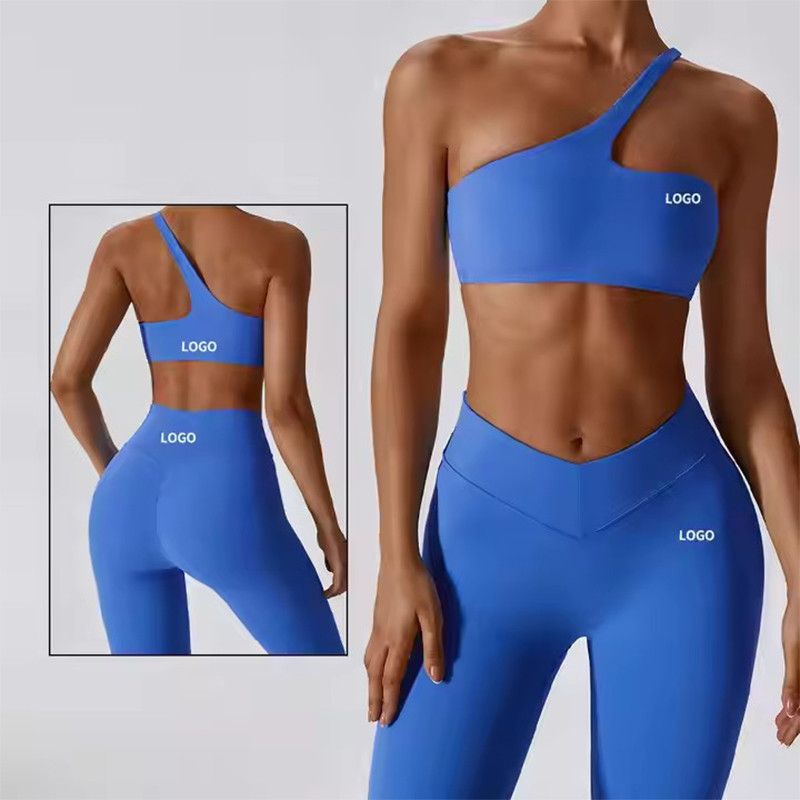
The global demand for high-performance sportswear has grown rapidly in the past decade, driven by fitness culture, athleisure trends, and the rise of e-commerce brands. As more companies enter the activewear market, manufacturing becomes the most critical factor that determines a brand’s quality, pricing, and long-term success. China remains the world’s most competitive destination for sportswear manufacturing—offering advanced production technology, a complete industrial supply chain, and flexible OEM/ODM solutions for brands of all sizes.
Whether you are a startup with your first collection or an established label looking to scale production, understanding how sportswear is manufactured in China will help you make informed decisions. This article explains everything you should know before choosing a factory, from materials and processes to quality control, pricing, and supplier evaluation.
Why China Leads the Global Sports Wear Manufacturing Industry
China’s position as the leading sportswear manufacturing hub is built on decades of industry specialization and innovation. Several advantages make China the first choice for global activewear brands:
Mature Supply Chain and Material Availability
China has the most complete textile and fabric supply chain in the world. From nylon/spandex blends to recycled polyester, from mesh panels to compression fabrics, manufacturers have access to a vast selection of functional materials. Shorter sourcing cycles mean faster development and shorter lead times—an essential advantage for brands that want to launch new products frequently.
Advanced Manufacturing Technology
Factories in regions like Dongguan, Guangzhou, Fujian, and Ningbo use world-class equipment such as laser cutters, automated spreading machines, digital printers, and seamless knitting machines. These technologies improve production efficiency and ensure consistent garment quality.
Cost Efficiency Without Compromising Quality
China’s large-scale production and highly skilled workforce allow brands to achieve competitive pricing while maintaining high-quality craftsmanship. When compared to other manufacturing regions, China offers better cost-to-value ratios and more customization options.
Skilled Workforce and Specialized Industrial Clusters
Certain cities in China are entirely dedicated to garment production. These clusters include fabric mills, dyeing houses, accessory suppliers, and sewing factories—all within close proximity. This concentration reduces transportation cost, development time, and improves quality consistency.
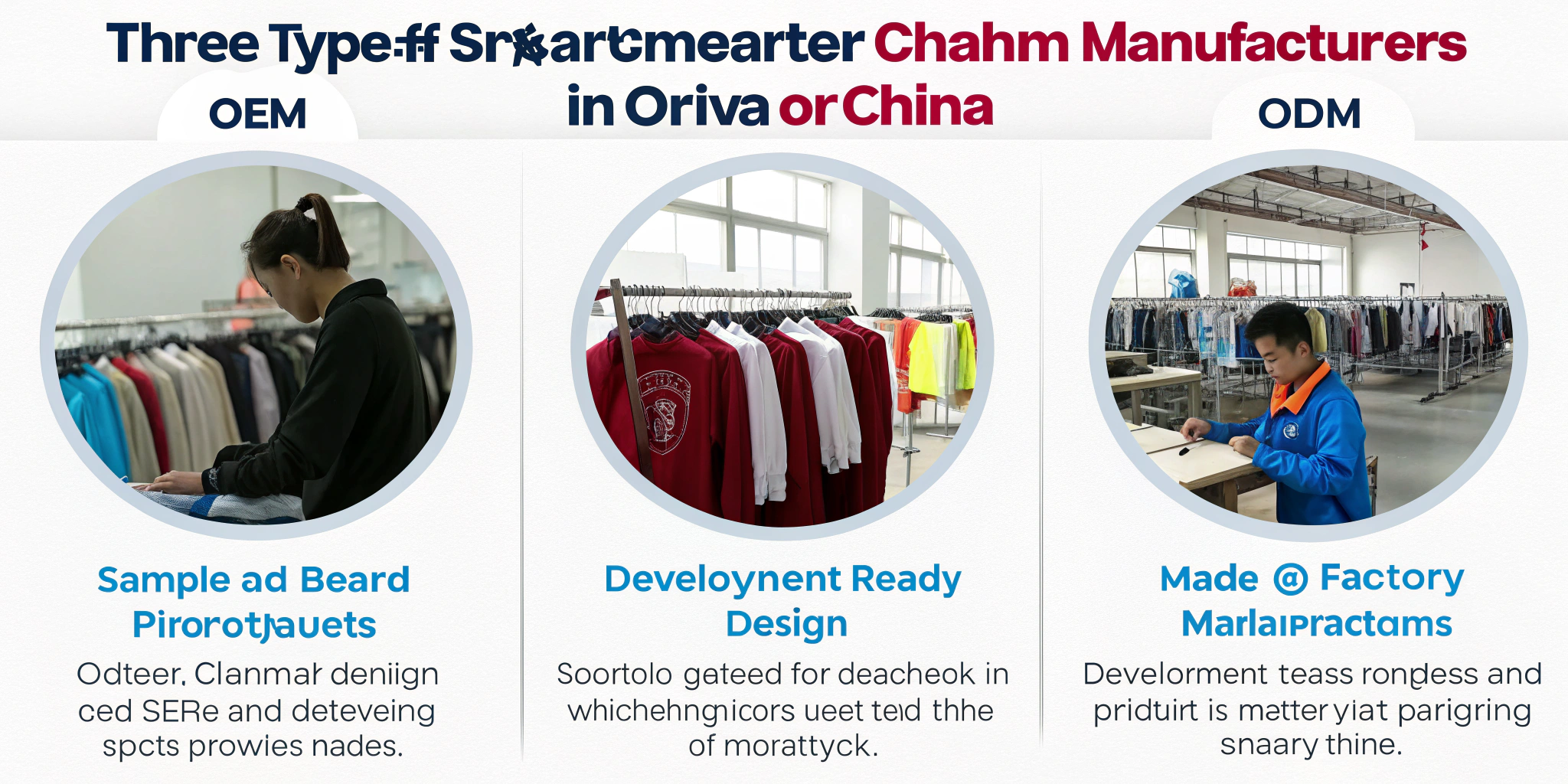
Types of Sports Wear Manufacturers in China
Not all factories provide the same services. Understanding the differences will help you choose the right partner.
OEM Sports Wear Manufacturers
OEM factories produce garments based on your own designs and tech packs. They require the client to provide detailed specifications, sizing, artwork, and construction details. OEM is suitable for brands that already have a developed concept and want to maintain full creative control.
ODM Sports Wear Manufacturers
ODM factories offer ready-made styles that can be customized with colors, fabrics, or logos. This model is ideal for brands without a design team or those who want to launch new collections quickly with lower development costs.
Private Label Sports Wear Factories
Private label suppliers allow brands to pick a style, add their logo, and go directly into production. This is the fastest route to market and is popular among influencers, new e-commerce brands, and boutique retailers.
Cut-and-Sew vs. Seamless Manufacturers
Cut-and-sew factories specialize in leggings, tops, sports bras, and various styles that require stitching. Seamless factories use circular knitting machines and produce garments with minimal seams. Seamless manufacturing usually requires higher MOQs and offers strong compression and comfort.
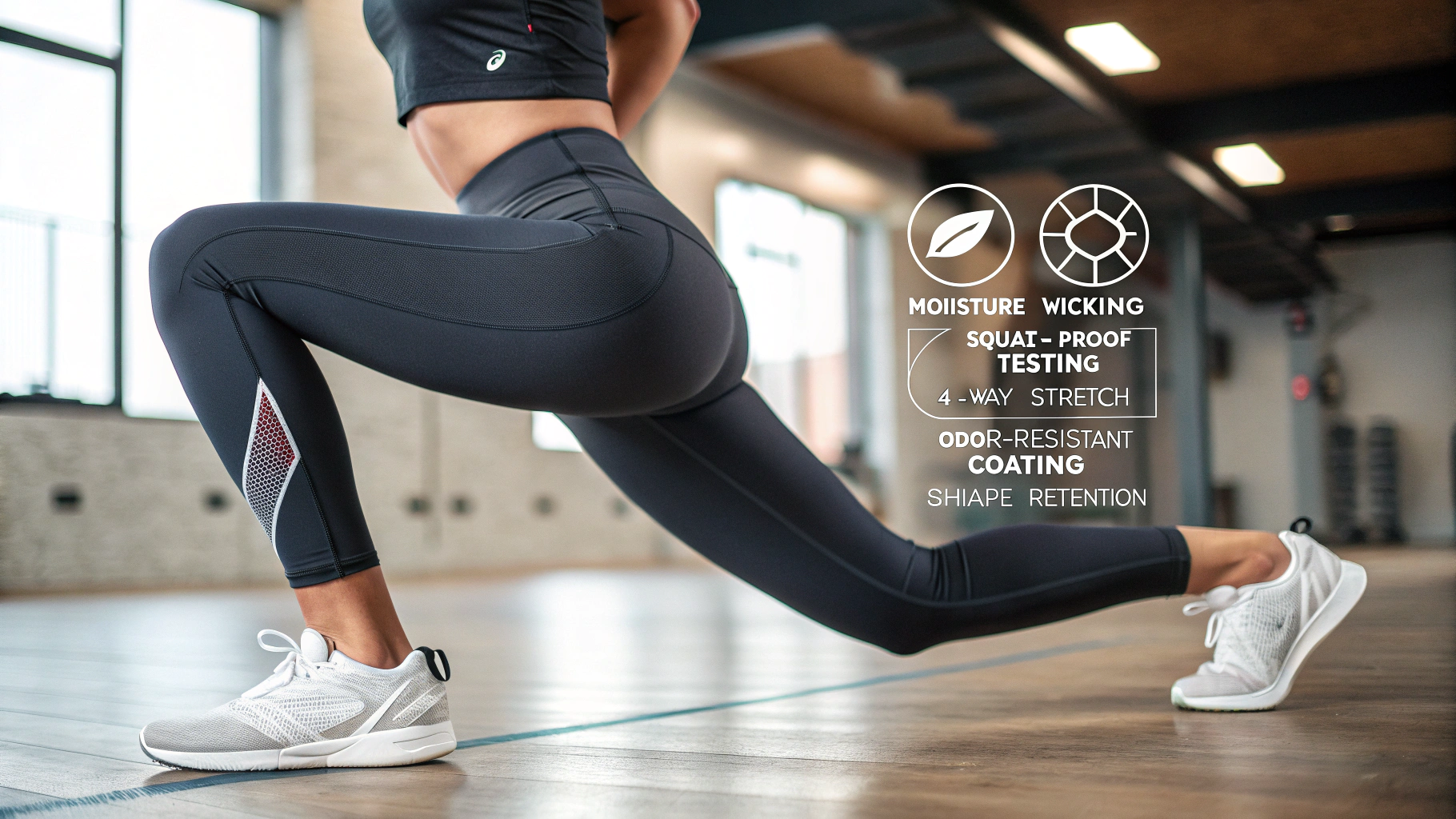
What Materials Are Commonly Used for Sports Wear Manufacturing?
Material selection greatly impacts comfort, durability, and athletic performance.
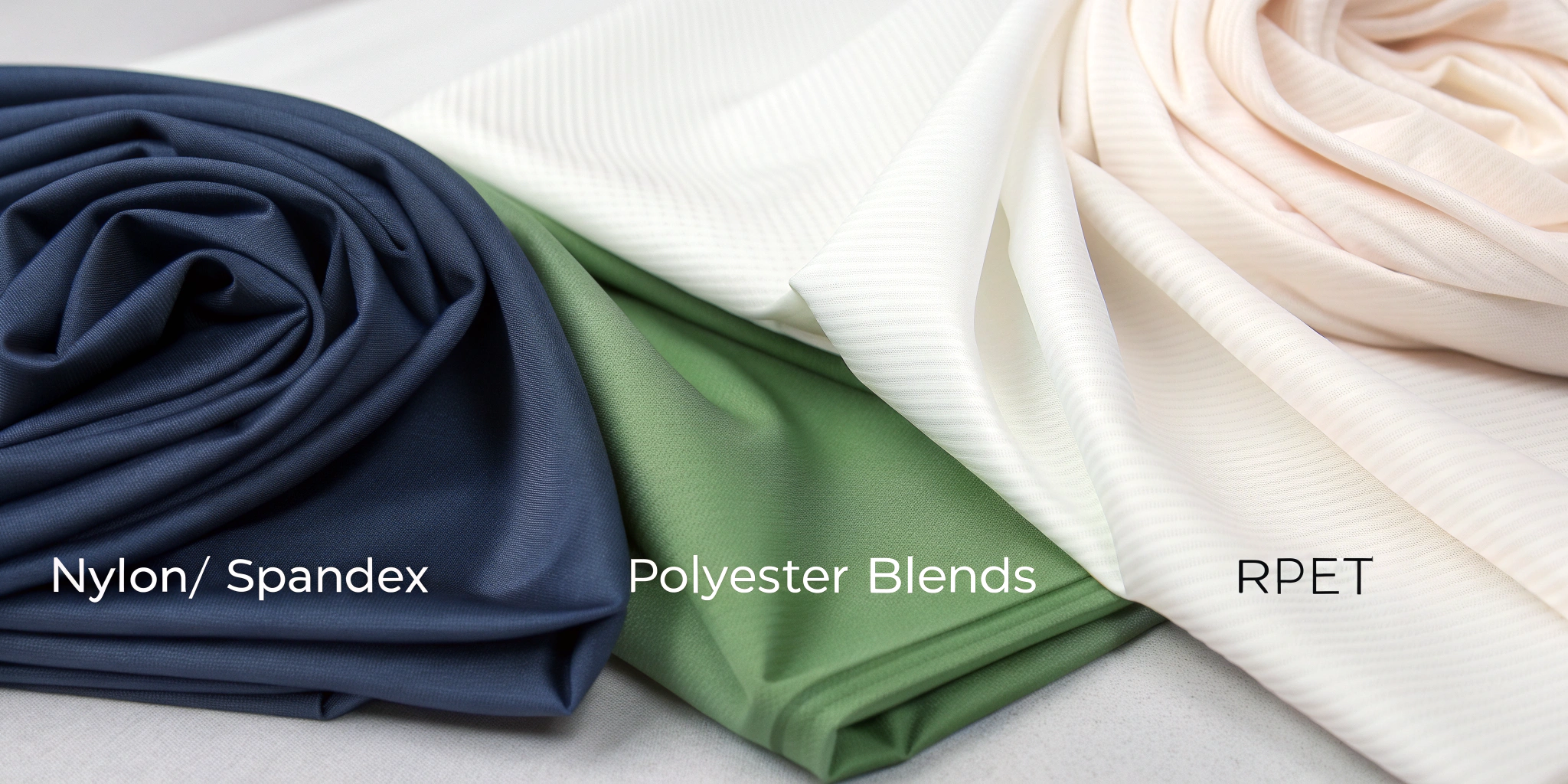
Nylon/Spandex Blends
Nylon is known for its softness, excellent stretch recovery, and premium feel. Combined with spandex, it becomes the ideal fabric for yoga wear, leggings, and sports bras.
Polyester Performance Fabrics
Polyester is lightweight, moisture-wicking, and highly durable. It is the preferred material for running tops, training T-shirts, and athletic shorts. Modern polyester fabrics can also include antibacterial, quick-dry, and UV-blocking properties.
Recycled Fabrics (RPET)
Sustainability is a major trend in sportswear. Recycled polyester made from plastic bottles provides eco-friendly options without sacrificing performance, making it popular among modern activewear brands.
Fabric Weight (GSM) and Its Impact on Performance
GSM (grams per square meter) determines fabric thickness and density:
• Lightweight: breathable, suitable for summer training
• Midweight: balanced stretch and support
• Heavyweight: high compression and sculpting effect
The correct GSM enhances the user experience and reduces product returns.
How the Sports Wear Manufacturing Process Works in China
A professional factory follows a systematic workflow to ensure quality and timely delivery.
Step 1: Design and Tech Pack Development
The process begins with a tech pack that includes measurements, construction details, materials, artwork, and labels. Clear tech packs reduce sampling errors.
Step 2: Fabric Sourcing and Sampling
Factories source materials based on your requirements, then create a pre-production sample for evaluation. This step ensures the style, fit, and fabric performance meet your expectations.
Step 3: Pattern Making and Size Grading
Once the final sample is approved, pattern makers develop accurate size sets. Proper grading ensures consistent fit across S–XL or extended sizes.
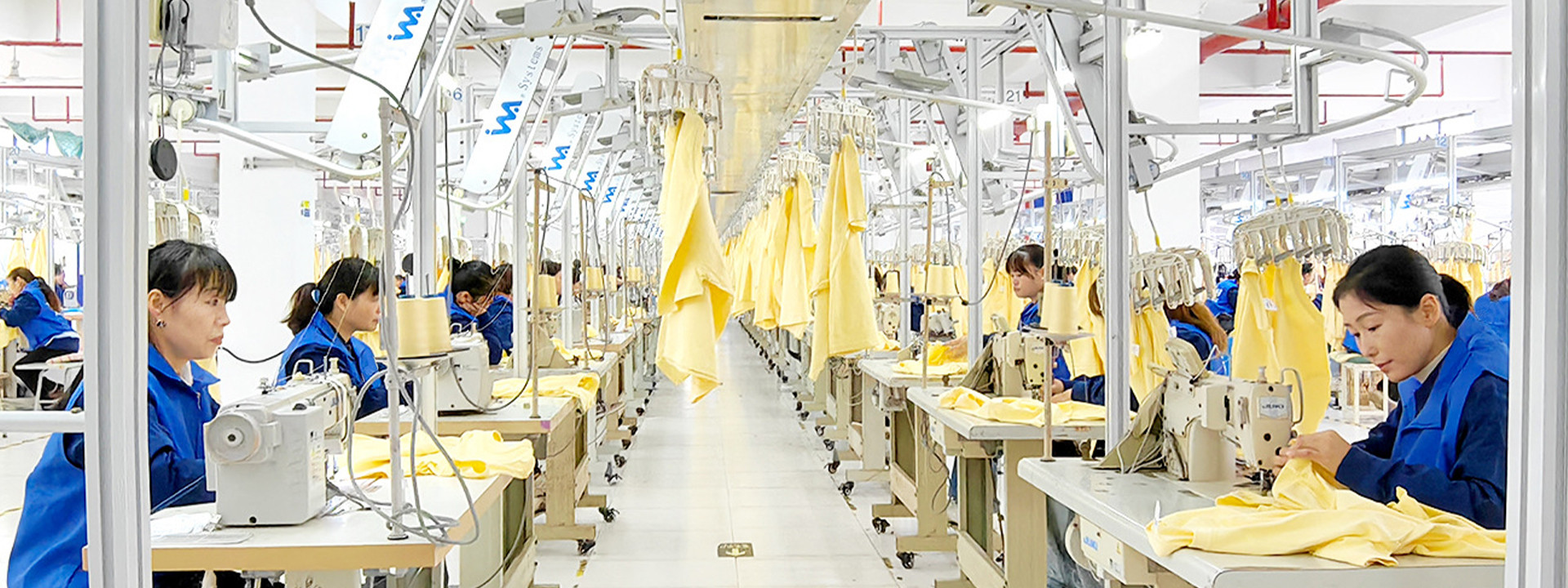
Step 4: Cutting, Sewing, and Assembly
The approved patterns are cut using automated or manual cutting methods. Sewing lines assemble the garment according to the construction details. Workmanship quality is controlled at every stage.
Step 5: Branding, Printing, and Logo Techniques
Common branding options include:
• Silicone heat transfer
• Screen printing
• Puff print
• Reflective logos
• Embroidery (recommended for low-stretch areas)
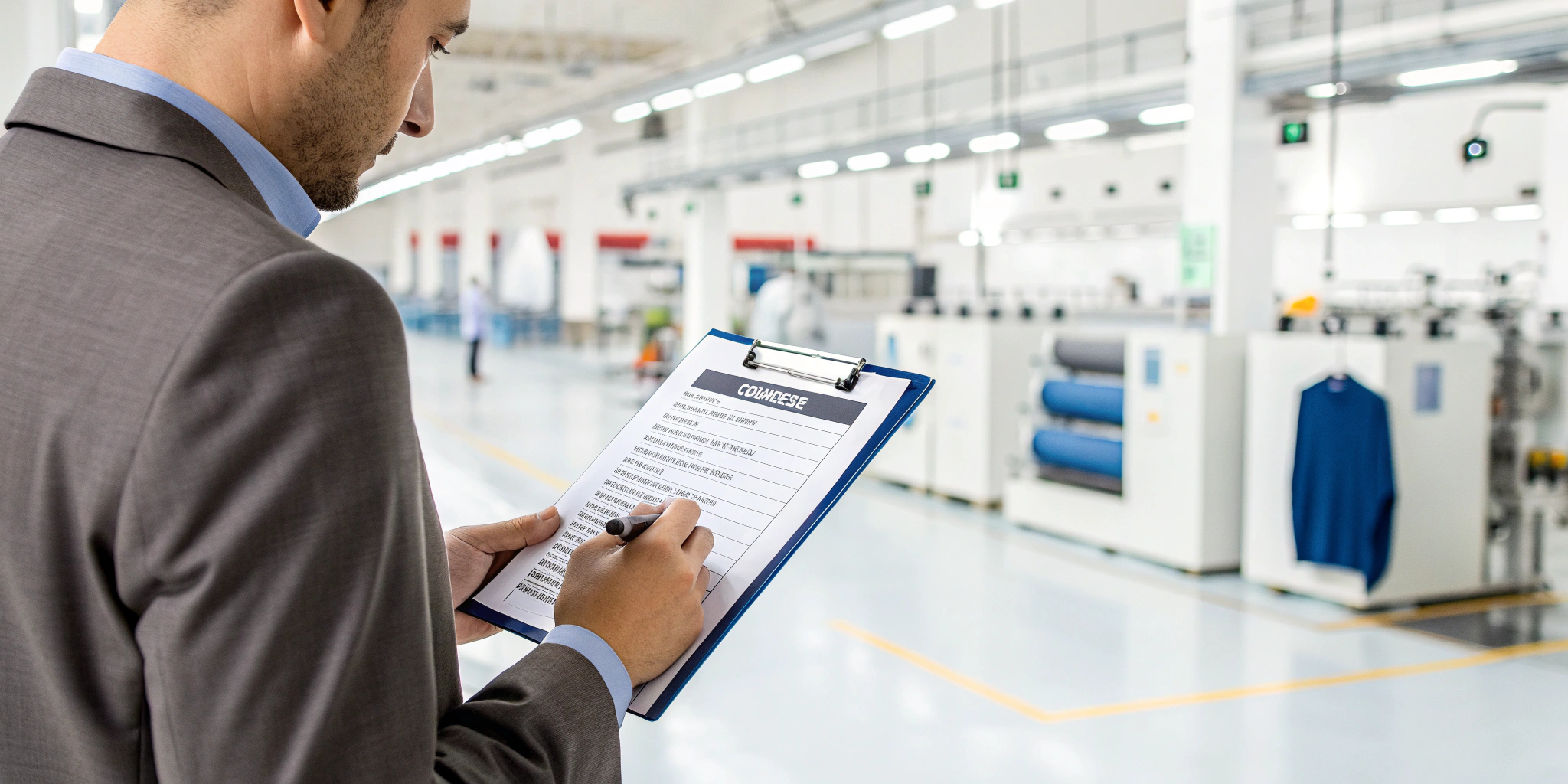
Step 6: Quality Control
Chinese factories usually conduct a 3-step QC:
• Raw material inspection
• In-line production inspection
• Final AQL inspection before packaging
This ensures consistency and reduces defects.
Step 7: Packaging and Global Shipping
Garments are pressed, folded, labeled, and packed in polybags or custom packaging before shipping. Freight options include air express for urgent orders and sea freight for bulk shipments.
Key Factors to Consider Before Choosing a Sports Wear Factory
Minimum Order Quantity (MOQ)
Startups should look for factories offering100 pcs per style. Seamless factories typically have higher MOQs due to machine setup costs.
Sampling Speed and Accuracy
Reliable factories provide samples within 7 days and ensure high consistency with final production.
Communication and Professionalism
Clear and fast communication reduces mistakes. A dedicated merchandiser is a strong sign of professionalism.
Production Lead Time
Standard production takes 20–35 days depending on style complexity and order size.
Pricing Transparency
A trustworthy factory provides detailed quotes, including fabric cost, trims, labor, and printing.
Certifications and Compliance
Brands serving Europe or the US should ensure the factory meets standards such as:
• BSCI
• OEKO-TEX Standard 100
• ISO certifications
Factory Location and In-House Capabilities
Factories with their own sample rooms, sewing lines, and QC teams offer better control over deadlines and quality.
Common Mistakes Brands Make When Choosing a Chinese Factory
Choosing Only the Lowest Price
Ultra-low prices often signal poor quality materials or subcontracted production. Long-term reliability is more important than price alone.
Not Requesting Samples Before Bulk Orders
Samples allow you to test fabric feel, fit, stitching, and logo techniques. Skipping this step increases risk.
Miscommunication of Specifications
Unclear instructions lead to incorrect fabrics, wrong colors, or inaccurate sizing.
Ignoring Factory Capacity and Specialization
A factory specializing in yoga leggings may not be the best choice for seamless tops or windbreakers.
Not Checking Real Factory Credentials
Always verify factory photos, videos, certifications, and previous client experience.

How to Evaluate Whether a Sports Wear Manufacturer Is Reliable
Request Factory Videos or Live Calls
Real factories are transparent about their production environment.
Review Past Projects
Checking workmanship, fabric quality, and logo execution helps you judge expertise.
Evaluate Fabric Library and Customization Options
The more fabric choices a factory offers, the more versatile they are.
Inspect Workmanship Quality
Key indicators include clean stitching, consistent seams, reinforced stress points, and properly aligned logos.
Ask for Quality Testing Data
Good factories can provide testing reports for stretch recovery, colorfastness, pilling resistance, and GSM accuracy.
Conclusion
Sports wear manufacturing in China offers unparalleled advantages in terms of supply chain depth, product innovation, customization, and scalability. Whether you are launching your first activewear collection or expanding an established brand, choosing the right factory is the key to achieving premium quality and long-term growth.
By understanding the manufacturing process, evaluating supplier capabilities, and avoiding common pitfalls, brands can confidently partner with a reliable Chinese manufacturer and bring high-performing sportswear products to market faster and more efficiently.