What’s Trending in Yoga Leggings 2026: Fabrics, Cuts, and Colors
- Share
- Issue Time
- Jan 5,2026
Summary
What’s Trending in Yoga Leggings 2026: Fabrics, Cuts, and Colors
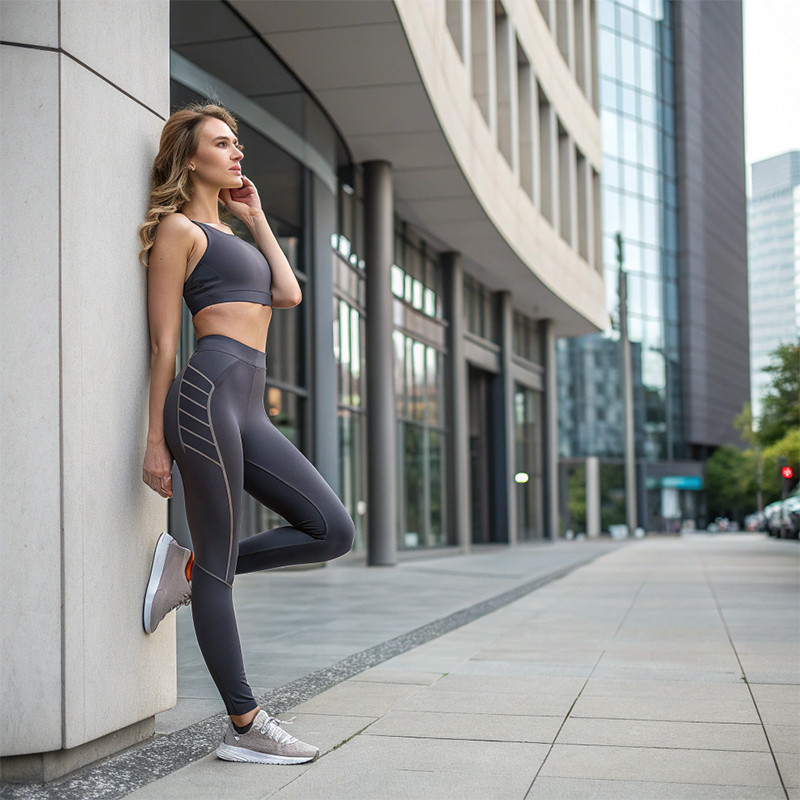
The yoga leggings market continues to evolve rapidly as consumer expectations move beyond basic functionality. In 2026, yoga leggings are no longer defined solely by stretch and comfort—they represent a sophisticated blend of performance engineering, lifestyle versatility, and aesthetic refinement. For activewear brands, wholesalers, and private label buyers, understanding these trends is essential for building competitive collections that resonate with modern consumers.
This article explores the key yoga legging trends shaping 2026, focusing on three critical pillars: fabrics, cuts, and colors—and how brands can translate these insights into commercially successful products.
2026 Yoga Leggings Market Overview
Performance Meets Lifestyle
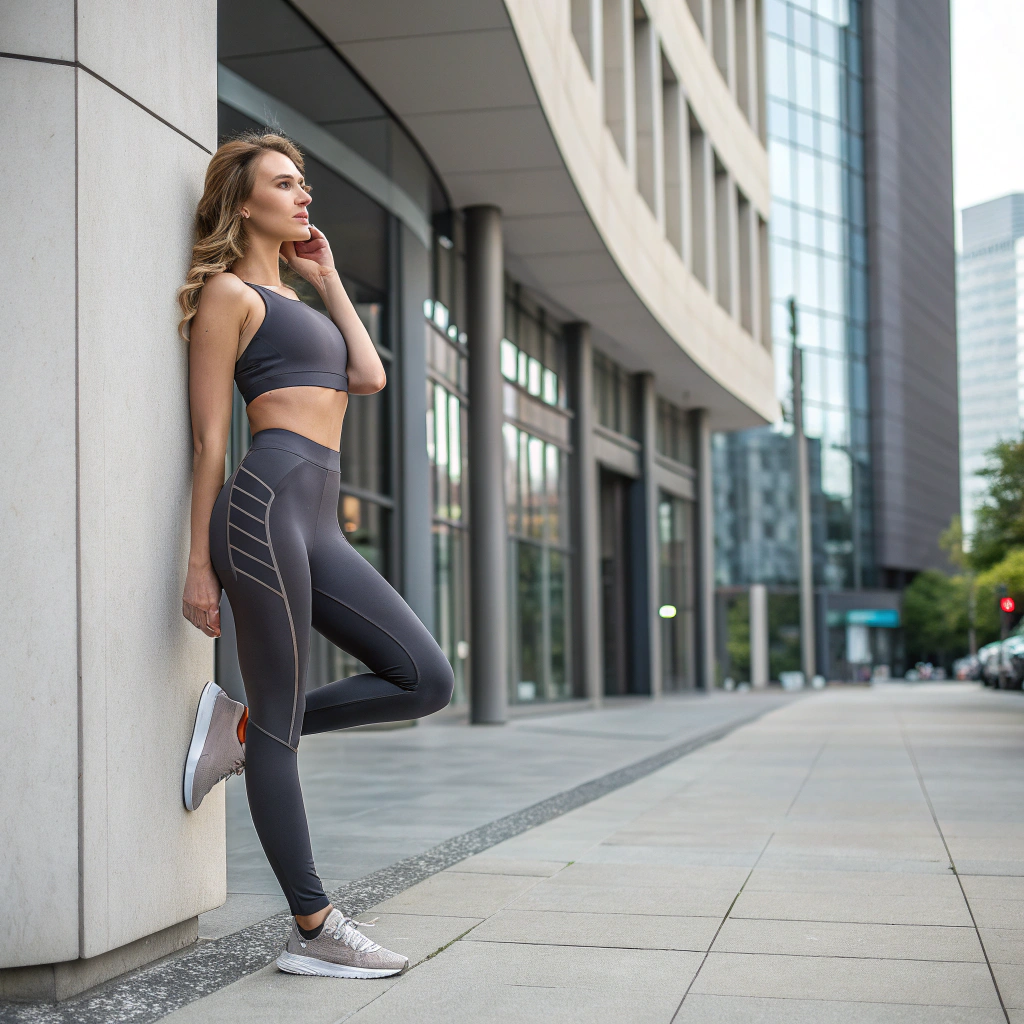
In 2026, yoga leggings sit firmly at the intersection of performance wear and everyday fashion. Consumers increasingly expect leggings to transition seamlessly from studio workouts to daily activities such as commuting, travel, and casual social settings. This shift has elevated design standards, pushing brands to deliver garments that offer technical performance without sacrificing visual appeal.
Athleisure remains a dominant force, but the emphasis has shifted toward refined silhouettes, premium materials, and versatile styling rather than overtly sporty designs.
Evolving Consumer Expectations
Modern consumers are more informed and selective than ever. In 2026, purchasing decisions are influenced by multiple factors beyond price:
• Long-term durability and shape retention
• Skin-friendly comfort and breathability
• Sustainable materials and responsible sourcing
• Subtle design details that enhance fit and confidence
As a result, yoga leggings must deliver tangible value both functionally and emotionally.
Trending Fabrics for Yoga Leggings in 2026
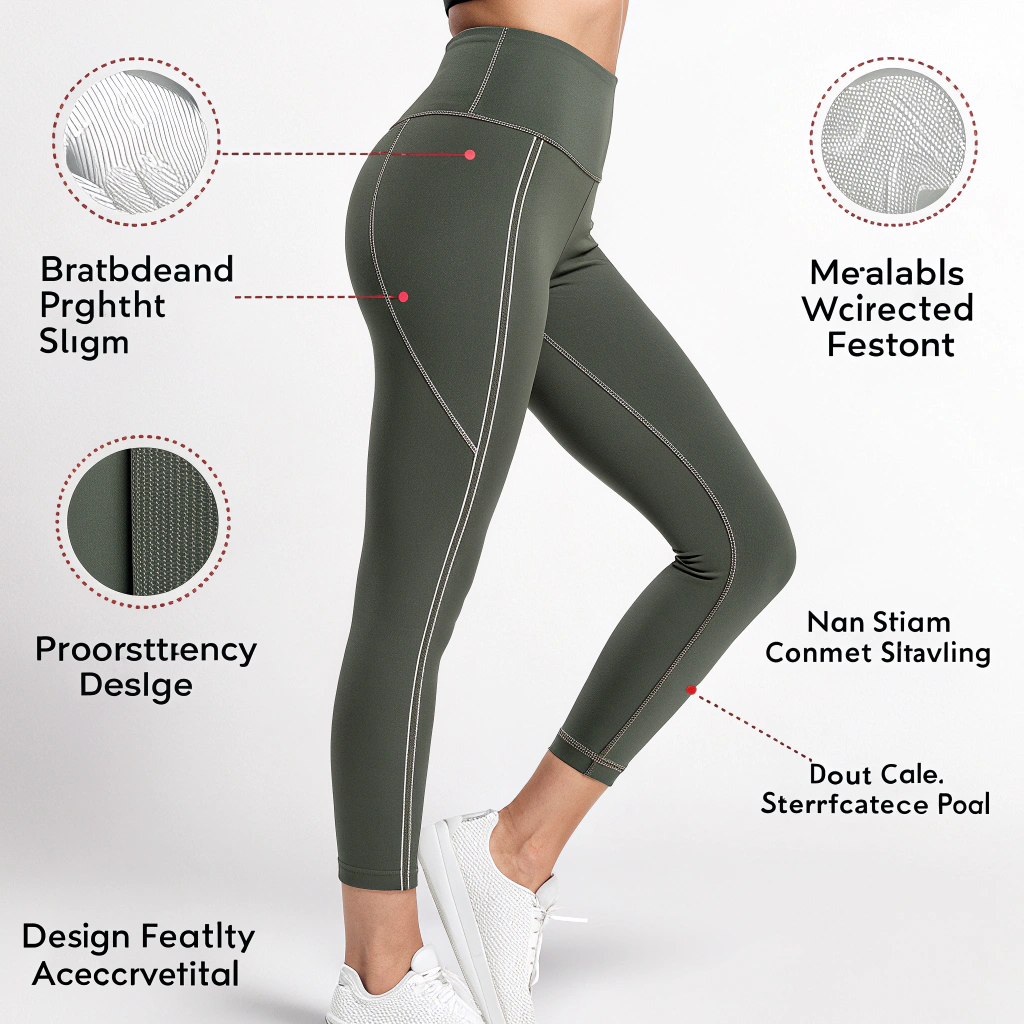
Fabric innovation remains the foundation of premium yoga leggings. In 2026, material selection is less about novelty and more about refinement, balance, and performance consistency.
Next-Generation Nylon Blends
High-quality nylon blends—especially Nylon 6.6—continue to dominate the premium segment. These fabrics offer superior abrasion resistance, softness, and elasticity compared to traditional polyester blends.
Brands favor advanced nylon fabrics for their ability to maintain compression, resist pilling, and retain shape even after repeated washing. In 2026, tighter knit structures and improved yarn quality further enhance durability while maintaining a smooth, second-skin feel.
Sustainable and Recycled Fabrics
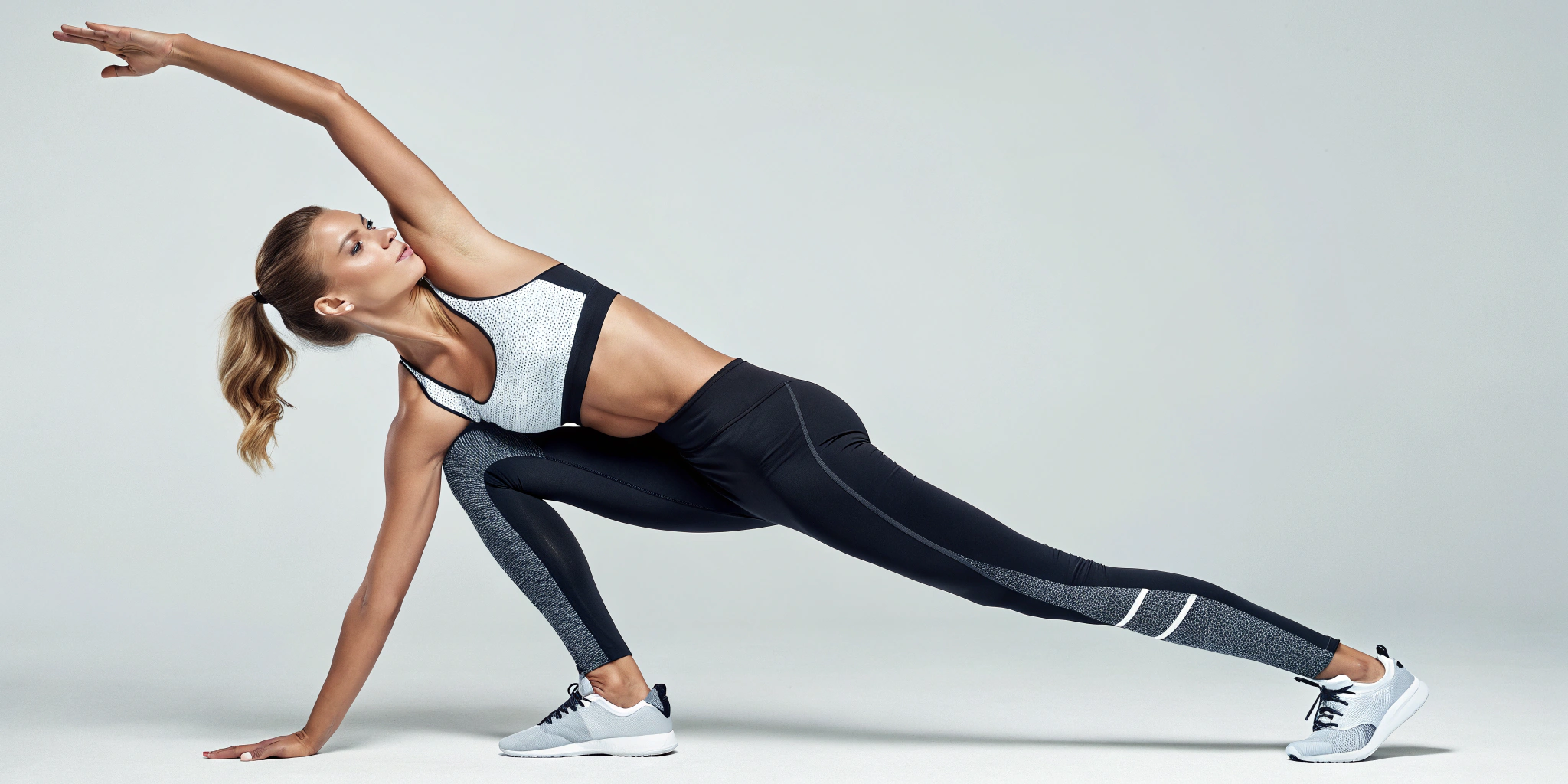
Sustainability is no longer a niche selling point—it is an expectation. Recycled nylon and recycled polyester fabrics are increasingly integrated into core product lines rather than limited eco-collections.
Consumers in 2026 look for transparency and performance parity. Successful brands ensure that recycled fabrics match or exceed the comfort, stretch, and durability of virgin materials, eliminating the perception that sustainability requires compromise.
High-Stretch and Compression Materials
Balanced compression is a defining characteristic of 2026 yoga leggings. Fabrics with optimized elastane content provide four-way stretch and controlled support, allowing freedom of movement while gently sculpting the body.
Rather than extreme compression, brands are prioritizing adaptive support—leggings that feel supportive during workouts yet comfortable enough for all-day wear.
Functional Fabric Finishes
Advanced fabric treatments are becoming standard expectations rather than premium add-ons. Popular finishes in 2026 include:
• Moisture-wicking and quick-dry technologies
• Anti-odor treatments for extended wear
• UV protection for outdoor activities
• Anti-pilling finishes for longevity
These functional enhancements improve user experience and reinforce product value.
Yoga Legging Cuts and Silhouettes Defining 2026
While fabric drives performance, cut and construction define how yoga leggings look and feel on the body. In 2026, thoughtful engineering replaces decorative excess.
High-Waisted as the Core Standard
High-waisted yoga leggings remain the dominant silhouette, but design focus has shifted to waistband engineering. Wider waistbands, reinforced panels, and seamless transitions provide enhanced core support without discomfort.
Consumers value waistbands that stay in place during movement while offering subtle shaping—making fit consistency a major differentiator.
Sculpting and Seam-Engineered Designs
Strategic seam placement is a key design trend in 2026. Rather than relying on bold prints or logos, brands use contour seams and panel construction to enhance natural body lines.
These sculpting designs create visual lift and elongation, appealing to consumers seeking both confidence and performance. Precision stitching and ergonomic pattern-making reflect higher manufacturing expertise.
Minimalist and Seamless Construction
Seamless and bonded construction techniques continue to gain popularity. By reducing friction points and bulk, these designs improve comfort during extended wear and intense workouts.
Minimalist aesthetics align with premium branding, offering clean lines and a refined finish that complements modern athleisure styling.
New-Length and Hybrid Styles
Beyond full-length leggings, 2026 sees continued demand for 7/8 length, ankle-crop, and hybrid silhouettes. Slightly flared yoga leggings and leggings-inspired lifestyle pants remain popular for consumers seeking versatility.
These styles blur the line between activewear and casualwear, expanding use cases and increasing wardrobe integration.
Color Trends for Yoga Leggings in 2026
Color selection plays a critical role in both brand identity and product longevity. In 2026, color trends reflect sophistication rather than novelty.
Elevated Neutrals
Refined neutral tones dominate core collections. Shades such as stone, taupe, warm gray, and mocha offer versatility and timeless appeal, making them ideal for year-round selling.
These colors pair easily with different tops and footwear, increasing repeat wear and reducing fashion fatigue.
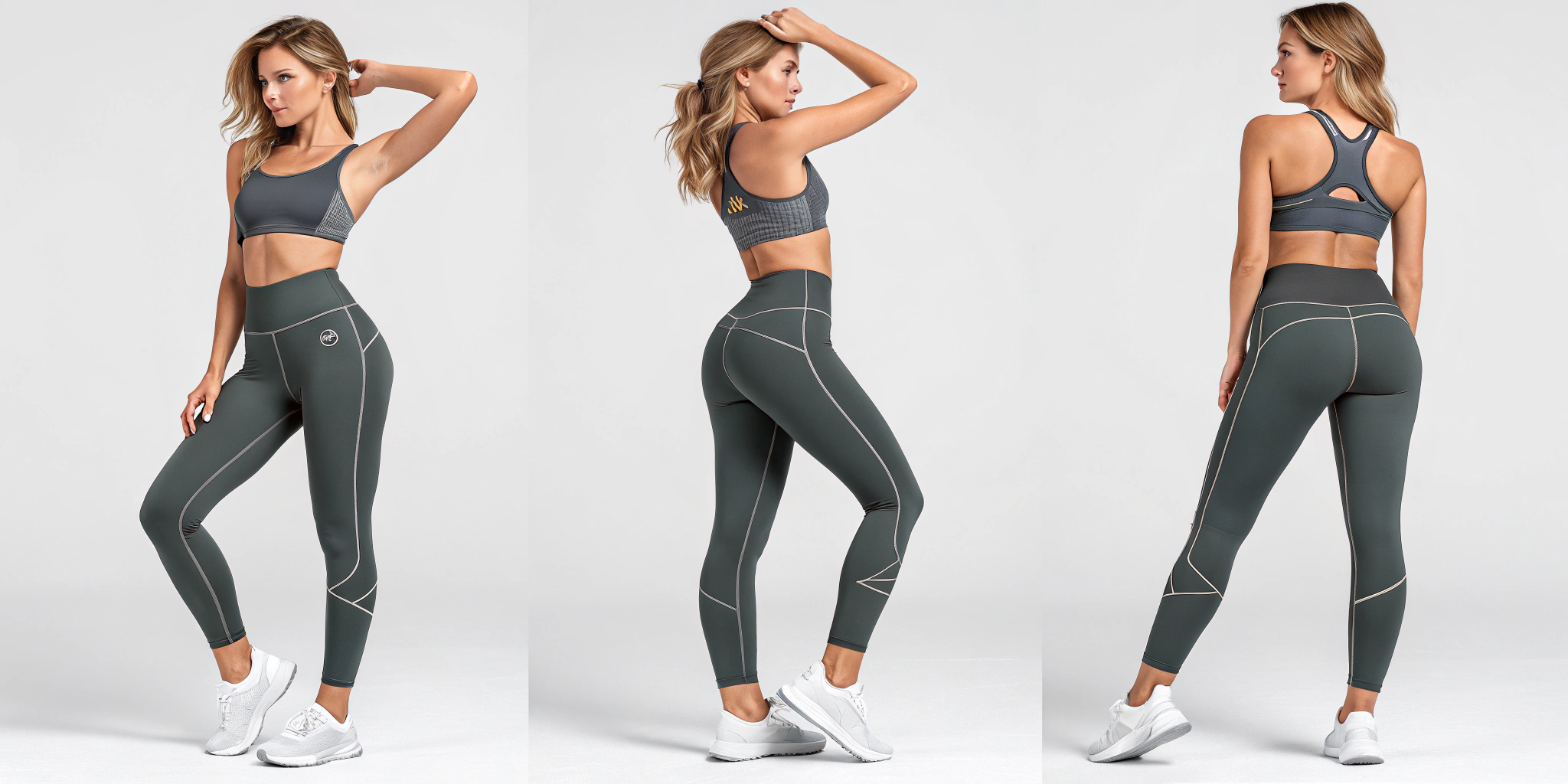
Earth Tones and Nature-Inspired Shades
Earthy hues continue to resonate strongly with sustainability-conscious consumers. Olive green, clay brown, sand, and muted terracotta connect emotionally with nature and wellness lifestyles.
These tones work particularly well with matte or lightly brushed fabric finishes, enhancing a premium aesthetic.
Muted Pastels and Soft Feminine Tones
Soft pastels—such as dusty pink, sage green, and muted lavender—remain relevant but appear more subdued than previous seasons. These colors offer freshness without overpowering the design.
They are especially effective for spring and transitional collections targeting female consumers.
They are especially effective for spring and transitional collections targeting female consumers.
Statement Colors for Limited Collections
Bold colors are used more selectively in 2026. Deep wine red, mineral blue, and warm caramel tones are often reserved for capsule collections or seasonal drops, creating excitement without risking overstock.