What to Expect When Working with a Custom Activewear Manufacturer
- Share
- Issue Time
- Jan 30,2026
Summary
Learn what to expect when working with a custom activewear manufacturer, including services, production process, customization options, costs, and risks. A complete guide for sportswear brands.
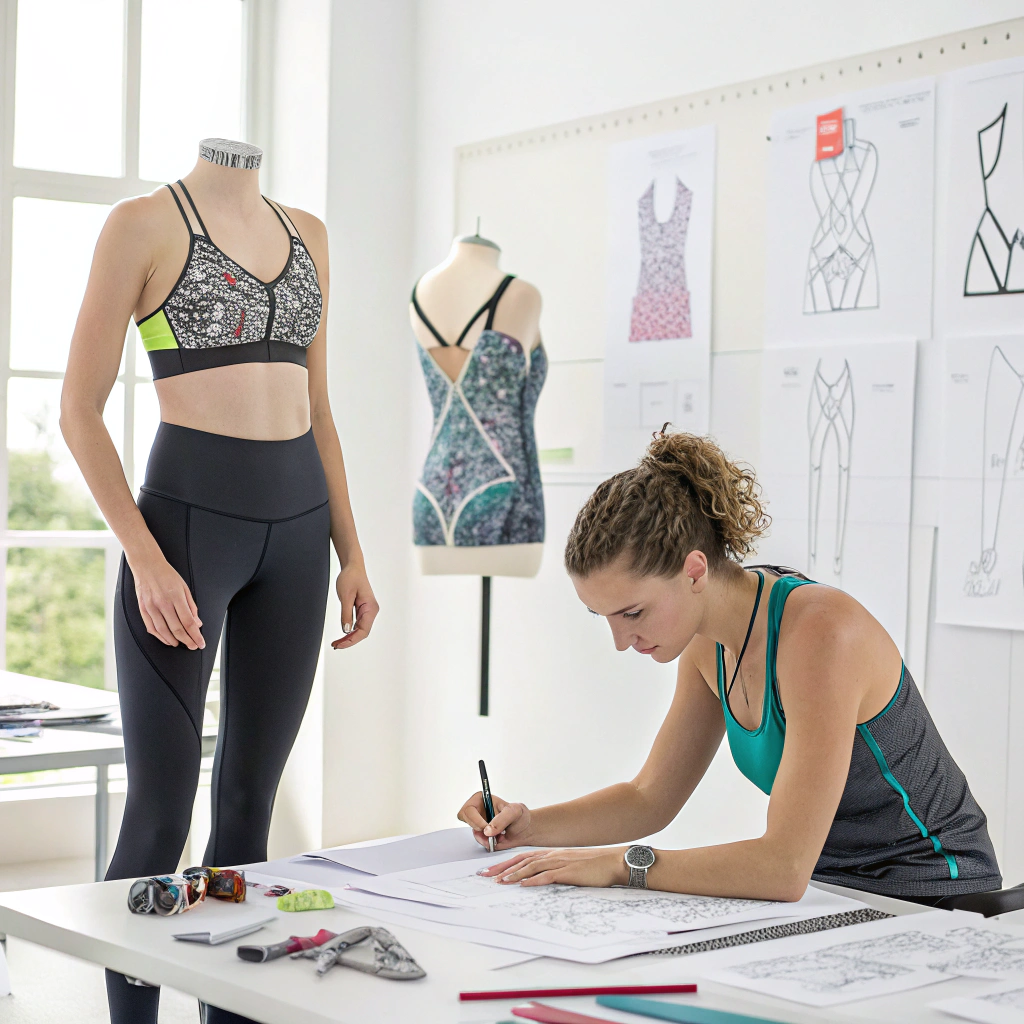
Launching or scaling an activewear brand requires more than just great design ideas—it requires a reliable manufacturing partner. A custom activewear manufacturer plays a crucial role in transforming your concept into high-performance garments that meet market expectations.
Whether you are a startup brand, an e-commerce seller, or an established sportswear company, understanding what to expect when working with a custom activewear manufacturer can help you reduce risks, optimize costs, and ensure consistent product quality.
This guide explains the services, production process, customization options, pricing structures, and potential challenges when collaborating with a professional activewear factory.
What Services Does a Custom Activewear Manufacturer Provide?
A professional custom activewear manufacturer offers a wide range of services designed to support brands at every stage of product development—from concept to mass production.
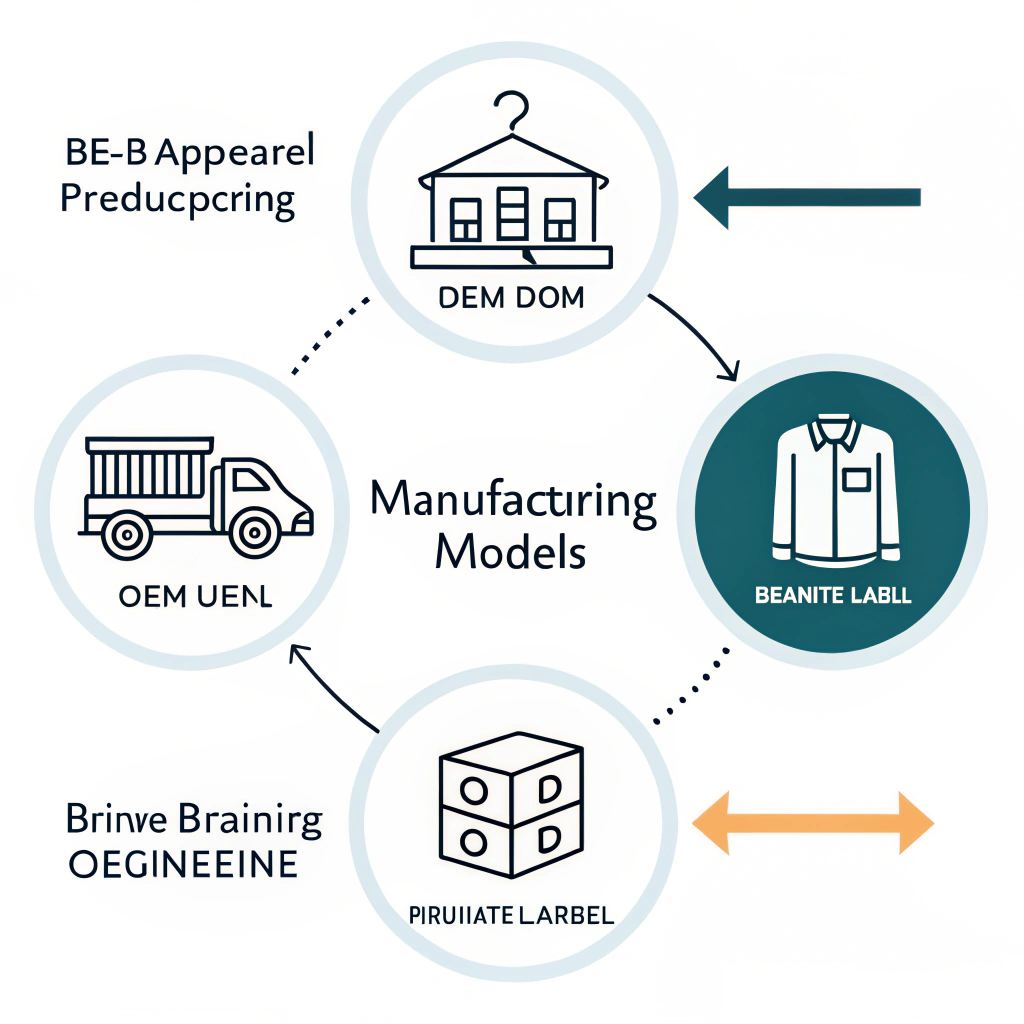
OEM vs ODM vs Private Label Explained
Manufacturers typically offer three main business models:
• OEM (Original Equipment Manufacturing): You provide the design and technical specifications, and the factory produces the garments.
• ODM (Original Design Manufacturing): The factory develops design concepts that you can customize and brand.
• Private Label: You select existing styles from the manufacturer’s catalog and add your branding.
These models allow brands to choose the level of involvement and customization based on their resources and expertise.
Design & Product Development Support
Many manufacturers offer design assistance, including:
• Pattern making
• Tech pack creation
• Fit adjustments and grading
• Material performance testing
This service is especially valuable for new brands that lack in-house technical teams.
Fabric Sourcing and Material Innovation
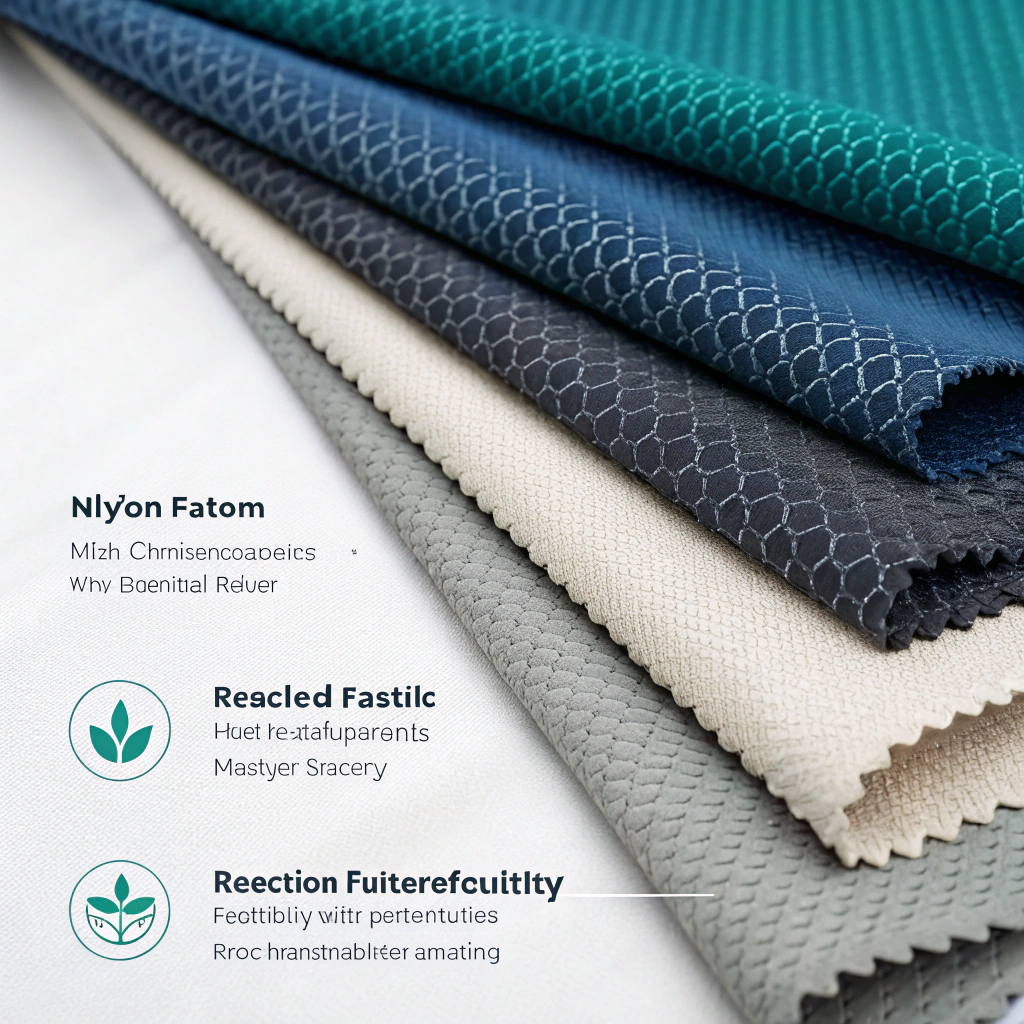
Custom activewear manufacturers usually have access to advanced fabrics such as:
• Moisture-wicking polyester blends
• Nylon-spandex compression fabrics
• Seamless knitted materials
• Sustainable recycled fabrics (e.g., RPET, eco-nylon)
They can also recommend fabrics based on your target market and price positioning.
Branding, Labeling, and Packaging Customization
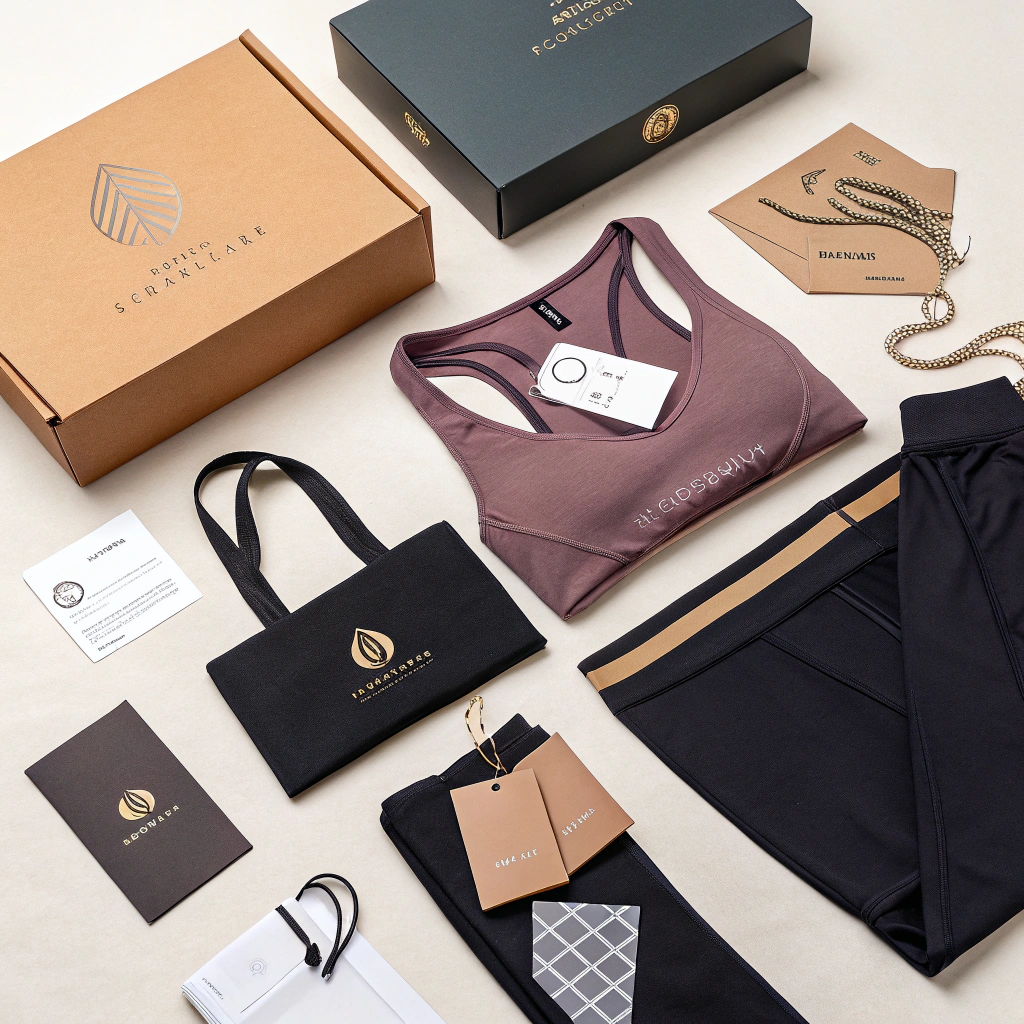
Branding is critical in activewear. Manufacturers often provide:
• Heat transfer or embroidered logos
• Woven or printed labels
• Hangtags and packaging solutions
• Custom polybags and branded boxes
Manufacturing Service Comparison | |||
| Service Type | What You Provide | What Manufacturer Provides | Best For |
| OEM | Tech pack & design | Production only | Established brands |
| ODM | Basic concept | Design + production | Startups & new brands |
Private Label | Select existing styles | Branding only | Fast market entry |
What Is the Step-by-Step Process of Custom Activewear Manufacturing?
Understanding the production workflow helps brands plan timelines and budgets effectively.
Concept & Tech Pack Submission
The process starts with your concept or tech pack, which includes:
• Design sketches
• Fabric requirements
• Size charts and grading
• Colorways and trims
Clear documentation reduces errors and speeds up production.
Sampling & Prototype Development
Sampling is a critical stage. Manufacturers will produce:
• First prototype sample
• Fit sample
• Pre-production sample
Brands usually review, test, and request revisions before approving the final sample.
Bulk Production and Quality Control
Once the sample is approved, bulk production begins. Professional factories implement:
• Inline inspections
• Fabric and trim testing
• Final quality control checks
Quality control ensures consistency and reduces return rates.
Packaging and International Shipping
Manufacturers often assist with packaging and logistics, including:
• Folding and labeling
• Carton packing
• Export documentation
• Shipping by sea, air, or express courier
Typical Production Timeline | ||
Stage | Estimated Time | Key Output |
Design Review | 1–3 days | Confirmed specs |
Sample Making | 7–14 days | Physical prototype |
| Sample Revision | 3–10 days | Final approved sample |
| Bulk Production | 20–40 days | Finished garments |
| Shipping | 5–25 days | Delivered goods |
What Customization Options Can You Expect from a Professional Manufacturer?
Customization is the biggest advantage of working with a custom activewear manufacturer.
Fabric Types and Performance Features
You can choose from various performance fabrics with features such as:
• Moisture-wicking
• Breathability
• Anti-bacterial treatment
• UV protection
• Compression and stretch recovery
Seamless technology is also increasingly popular for leggings and sports bras.
Colorways, Prints, and Dye Techniques
Manufacturers offer multiple printing and dyeing options, including:
• Sublimation printing
• Digital printing
• Screen printing
• Tie-dye and garment dyeing
Custom color matching (Pantone) ensures brand consistency.
Size Range and Fit Customization
Custom manufacturers can develop:
• Extended size ranges (XS–5XL)
• Petite or tall fits
• Men’s, women’s, and unisex sizing
Fit customization helps brands target specific customer demographics.
Logo Placement, Labels, and Packaging Options
You can customize:
• Chest, waistband, or leg logos
• Reflective logos for performance apparel
• Inside woven labels and care labels
Custom hangtags and eco-friendly packaging
What Are the Costs, MOQs, and Pricing Structures?
Pricing is a key factor when working with a custom activewear manufacturer.
Minimum Order Quantity (MOQ) Expectations
MOQs vary depending on the factory and product type. Typical ranges include:
• 100 pieces per style for startups
• 200–500 pieces per color for large-scale brands
Some manufacturers specialize in low-MOQ production, which is ideal for testing new designs.
Sampling Fees and Bulk Pricing
Sampling fees usually cover:
• Pattern making
• Fabric sourcing
• Labor costs
Bulk pricing depends on factors such as fabric type, complexity, branding techniques, and order volume.
Cost Breakdown
Typical cost components include:
• Fabric and trims
• Labor and manufacturing
• Printing and embroidery
• Packaging
• Logistics and shipping
Understanding these components helps brands optimize their budget.
How to Negotiate Better Pricing with Manufacturers
To achieve better pricing, brands can:
• Increase order quantities
• Simplify designs
• Choose stock fabrics
• Build long-term partnerships
Long-term collaboration often results in better pricing and priority production slots.
What Risks and Challenges Should Brands Be Prepared For?
While custom manufacturing offers many advantages, brands should also be aware of potential challenges.
Design Revisions and Communication Barriers
Miscommunication can lead to incorrect samples or delays. To avoid this:
• Provide detailed tech packs
• Use clear measurements and diagrams
• Confirm every detail in writing
Quality Control Issues and How to Prevent Them
Quality inconsistencies can harm your brand reputation. Preventive measures include:
• Requesting pre-production samples
• Conducting third-party inspections
• Setting clear quality standards
Production Delays and Supply Chain Risks
Delays can occur due to:
• Fabric shortages
• Seasonal demand spikes
• Shipping disruptions
Planning buffer time is essential for product launches.
Intellectual Property and Design Protection
Protect your designs by:
• Signing NDAs and manufacturing agreements
• Registering trademarks
Avoiding sharing designs with multiple factories simultaneously
Why Working with a Custom Activewear Manufacturer Is Worth It
Despite the challenges, working with a custom activewear manufacturer offers significant benefits:
• Full control over design and branding
• Higher product differentiation
• Better quality control compared to generic private label products
• Scalability for growing brands
A reliable manufacturing partner becomes an extension of your brand, helping you innovate and compete in the activewear market.
Conclusion: What to Expect When Partnering with a Custom Activewear Manufacturer
Collaborating with a custom activewear manufacturer is a strategic step for brands that want to create unique, high-performance products. From design and sampling to bulk production and shipping, manufacturers provide end-to-end support that helps brands bring their vision to life.
By understanding the manufacturing process, customization options, pricing structures, and potential risks, you can build a strong partnership and successfully scale your activewear business.
If you choose the right manufacturer—one with low MOQs, fast turnaround times, strong quality control, and flexible customization—you can gain a significant competitive advantage in the global sportswear market.