Why Lululemon Sources Products from China

Why Lululemon Sources Products from China

Summary

A practical 2026 guide to lululemon china manufacturer, covering supplier evaluation, product specifications, MOQ, sampling, quality control, lead times and sourcing questions for brands.
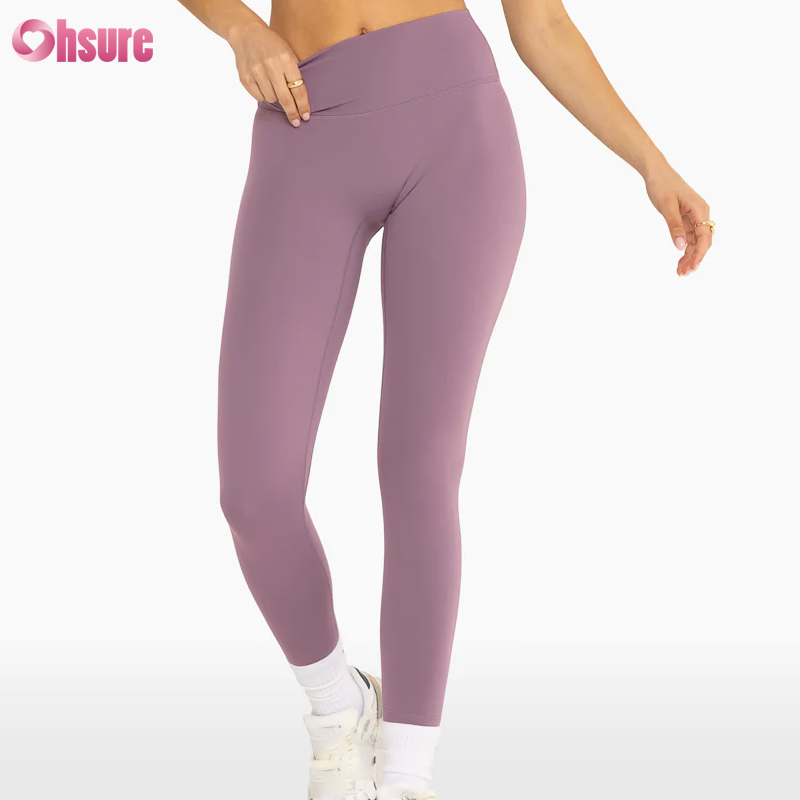
Why Lululemon Sources Products from China

2026 Buyer Guide

Why Lululemon Sources Products from China

This updated guide answers the commercial questions behind lululemon china manufacturer. It keeps the useful core information from the original article while making supplier criteria, product requirements, order planning and quality checks easier to evaluate.

Use the article as a shortlist and decision framework. Verify current factory details, commercial terms, certificates and product capability directly before placing an order.
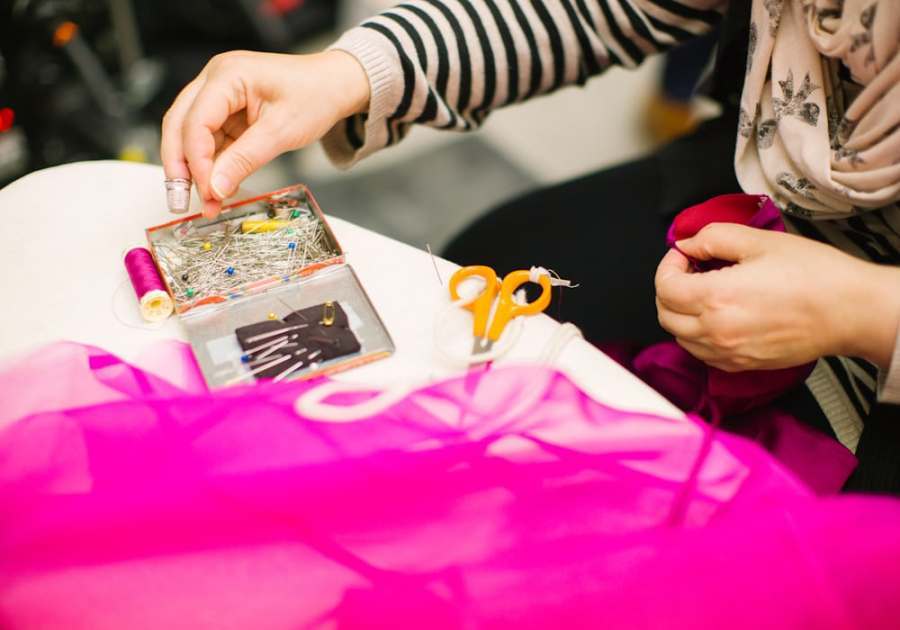
Garment manufacturing and sewing workshop
Compare documented production capability, not only marketing claims.

Direct answer

Choose a supplier whose experience matches the exact product, fabric, size range and order structure you need. Compare written answers for MOQ, sampling, lead time, quality control, customization and change management before comparing price.

Updated core article

As one of the most recognizable premium activewear brands in the world, Lululemon has built a reputation for exceptional quality, advanced material engineering, and performance-driven design. From yoga leggings and seamless tops to technical sports bras and training sets, Lululemon is known for its attention to detail and high manufacturing standards.

But behind the brand’s global success lies a key question many people and industry insiders ask:

👉 Why is so much of Lululemon’s production sourced from China?

While the brand has expanded manufacturing into other regions such as Vietnam, Bangladesh, Sri Lanka, and Cambodia, China continues to play a critical strategic role in Lululemon’s supply chain — especially for fabric innovation, seamless technology, and premium-grade activewear finishing.

This article explains the real reasons behind Lululemon’s sourcing strategy and explores what new and developing fashion brands can learn — especially those planning to launch high-performance activewear lines.

China’s Position in the Global Activewear Ecosystem

For decades, China has been a leading manufacturing hub for apparel, but its position in the technical sportswear and activewear sector is unique.

Unlike basic textile production, activewear manufacturing requires:
• High-performance fabrics
• Elastic recovery and stretch testing
• Seamless circular knitting
• Four-needle six-thread stitching
• Heat-bonded seam processes
• Sweat-wicking, antibacterial finishing
• Product durability and shape retention over time

These capabilities demand advanced machinery, experience, and technical knowledge — which China has spent over 20+ years refining.

1. Advanced Fabric Technology and Material Innovation

Modern sportswear is fabric-driven, not just design-driven. Lululemon’s signature feel — such as its Nulu™ (buttery soft) and Everlux™ (cooling support) fabrics — is possible because China has one of the most advanced textile engineering ecosystems in the world.

China Leads the Industry in Performance Fabrics:
• Nylon-Spandex blends with high stretch retention
• 4-way stretch double-knit structures
• Seamless tubular knitting
• Brushed athletic fleece
• Recycled PET nylon and polyester (Eco fabrics)
• Anti-odor, quick-dry, breathable technology

Regions like Guangdong, Fujian, and Zhejiang are known global centers for high-tech textile production.

Without this level of specialization, it would be difficult to achieve the consistent softness, elasticity, and durability that Lululemon requires.

2. Precision Seam Construction and Technical Sewing Expertise

Producing leggings or sports bras that look premium, stretch properly, and remain stable after hundreds of wears is not just about sewing — it’s about technical seam engineering.

China has deep expertise in:
Flatlock stitching for comfort against the skin
Four-needle six-thread construction for durable performance seams
Heat-bonded seams for smooth premium finishes
Laser cutting and precision hemming
Seamless knitting technology with minimal sewing

These techniques require:
• High-investment machinery
• Experienced technicians
• Consistent production standards

Many countries can produce sportswear, but few can match China’s consistency and efficiency.

3. Cost Efficiency Without Sacrificing Quality

For a premium brand like Lululemon, cost efficiency does not mean “cheap production.” Instead, it means:

✔ Faster production cycles
✔ Lower development costs
✔ Shorter supply chain between fabric mills, accessories, and manufacturing
✔ Faster replenishment for trending SKUs

Since China has a vertically integrated supply chain (fabric → accessories → assembly → QA → logistics), production becomes:
Advantage
Result
Shorter lead times
Faster new-product releases
Lower development costs
More innovation and testing
Access to nearby certified suppliers
Streamlined quality control
This supply-chain integration is one of the biggest reasons China remains essential to Lululemon’s sourcing strategy.

4. Flexible Production: From Small Batch to Large Scale

Unlike many countries that only accept large production orders, China allows:
• Low MOQ (50–200 pcs) for new brands
• Medium-scale production for growth brands
• High-volume replenishment for global brands

This flexibility is extremely valuable during:
• New product development
• Market testing
• Seasonal collections

It’s one of the reasons many startups — including Gymshark in its early stage — also built their supply chain around Chinese OEM/ODM factories.

5. Mature Global Export System and Logistics Efficiency

China has one of the world’s most efficient export infrastructures, including:
• Shenzhen Port
• Guangzhou Port
• Ningbo Port
• Shanghai Port

With reliable freight, tracking systems, and customs experience in apparel, brands receive:
• Faster shipping
• Stable transit times
• Predictable logistics planning

This reduces overall operational stress and helps global brands restock products quickly.

6. Ethical and Certified Manufacturing

Contrary to outdated misconceptions, many Chinese factories today are:
• BSCI Certified
• ISO9001/14001 Compliant
• Oeko-Tex Certified
• GRS Recycled-Material Certified

Sustainability and transparency are now key expectations for luxury activewear brands — and Chinese factories increasingly meet, and sometimes exceed, international audit standards.

What New Activewear Brands Can Learn from Lululemon

Lululemon’s sourcing strategy teaches us that great activewear begins with materials and manufacturing capability — not just branding.

A successful product strategy should include:
Priority
Why It Matters
High-quality fabric selection
Defines comfort, stretch, durability
Skilled technical sewing or seamless knitting
Ensures fit and functionality
Reliable supply chain and QC
Reduces returns and brand damage
Flexible MOQ
Supports scalable growth
For new and emerging brands, following this model reduces mistakes, speeds up development, and helps products enter the market successfully.

A Recommended Supplier: Ohsurewear (China Activewear OEM/ODM Factory)

If you're looking for a manufacturing partner with experience in sportswear, yoga wear, gym sets, seamless collections, and private-label activewear, Ohsurewear is a strong option.

Why brands choose Ohsurewear:
✔ Expertise in activewear fabrics (nylon-spandex, seamless, ribbed, brushed materials)
✔ Flexible MOQ options — suitable for startup and developing brands
✔ OEM/ODM capability — from design to mass production
✔ Modern production based in Guangdong industrial hub
✔ Private label customization including brand logo, hangtags, packaging

Whether you’re building your first collection or scaling into a global supply chain model, Ohsurewear offers factory-level support similar to what premium brands rely on in China.

👉 Explore manufacturing services at: Ohsurewear

Conclusion: China Isn’t Just Cheaper — It’s Smarter Manufacturing
Lululemon doesn’t manufacture in China simply because of labor cost — it manufactures there because China offers:
• Innovation
• Skilled craftsmanship
• Fast development
• Integrated supply chain
• Consistent performance quality

As activewear continues to grow worldwide, China remains the backbone of premium sportswear manufacturing — powering brands from small startups to global leaders.

For emerging brands exploring their first manufacturing partnership, following Lululemon’s path is not only logical — it’s strategic.
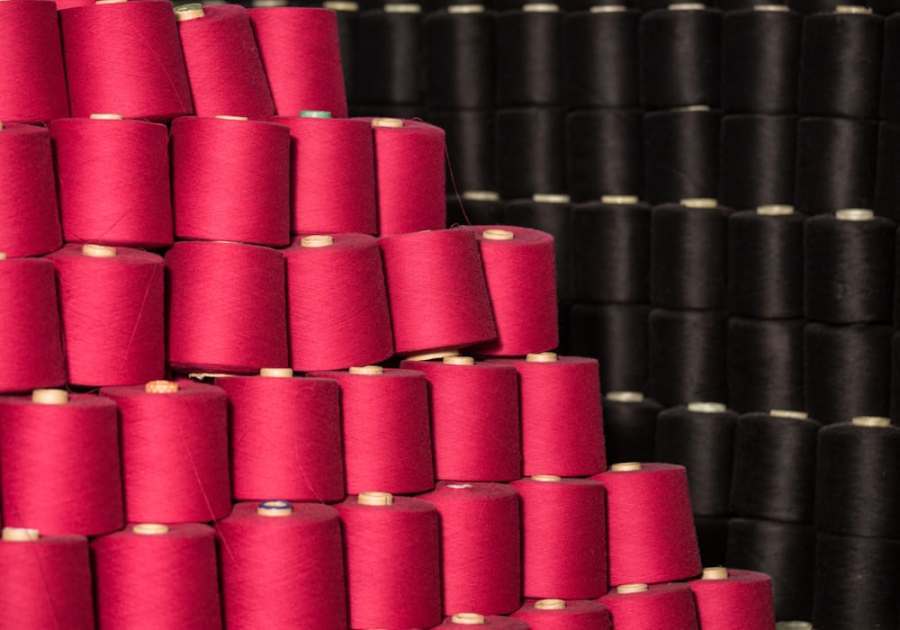
Textile production and garment workmanship
Approve measurable specifications and a reference sample before bulk production.

Buyer decision checklist

Product fit

Confirm relevant product examples, pattern capability, size grading, fabric performance and decoration methods.

Order structure

Request MOQ by style, color and fabric, including whether sizes can be mixed.

Sampling

Define sample stages, revision limits, approvals and ownership of updated specifications.

Quality control

Agree on measurement tolerances, workmanship standards, inspections and corrective actions.

MOQ, lead time and quality questions

  • What is the minimum per style, color and material?
  • Which costs cover pattern development, samples, labels and packaging?
  • How long do sampling, material preparation and bulk production take separately?
  • Which sample becomes the standard for bulk inspection?
  • Which processes are completed in-house and which are outsourced?
  • What evidence supports fabric composition, colorfastness and performance claims?
Sports clothing prepared for product evaluation
Test fit, durability and repeatability before approving a production run.

Frequently asked questions

How should a brand compare suppliers?

Send the same specification to every supplier and compare product experience, sample quality, written terms, communication and quality-control evidence.

What should be included in a quotation?

Confirm fabric, construction, logo method, labels, packaging, MOQ, sample charges, bulk price, testing, lead time and shipping terms.

How can a first order reduce risk?

Start with a controlled range, approve measurable specifications, retain a sealed sample and use an agreed inspection plan.

Should the lowest quotation win?

No. A lower price may exclude development, testing, packaging or quality controls. Compare the complete scope and production risk.

Next step

Turn the preferred option into a written product brief and sample checklist. Browse relevant product categories, review the company background, or use the contact information when you are ready to discuss specifications.