Why Premium Sports Brands Choose 75% Polyamide and 25% Lycra for Gym Leggings?
- Share
- Issue Time
- Dec 8,2025
Summary
A practical 2026 guide to polyamide leggings, covering supplier evaluation, product specifications, MOQ, sampling, quality control, lead times and sourcing questions for brands.
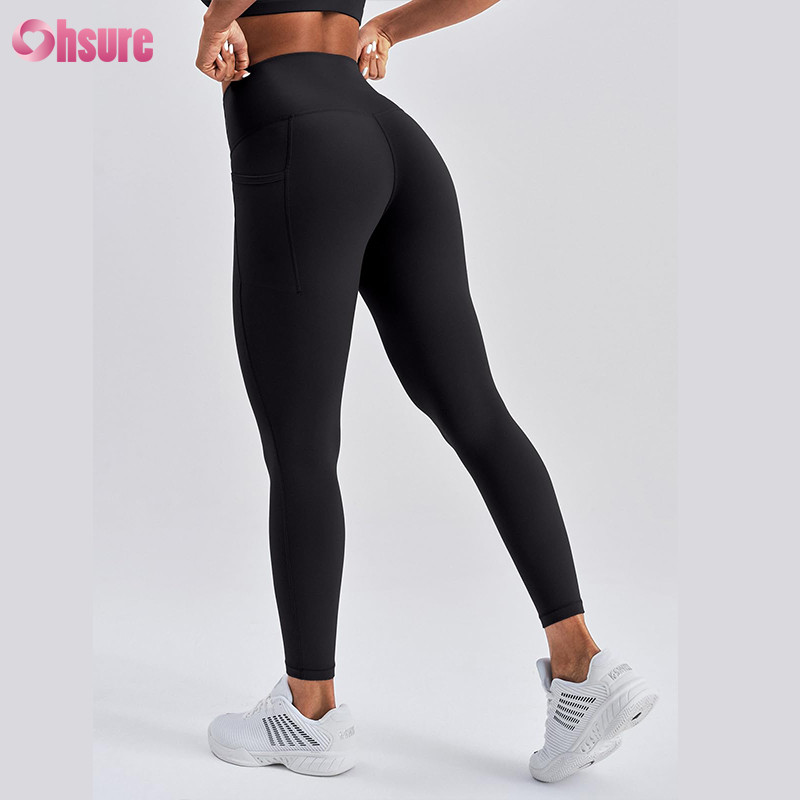
2026 Buyer Guide
Why Premium Sports Brands Choose 75% Polyamide and 25% Lycra for Gym Leggings?
This updated guide answers the commercial questions behind polyamide leggings. It keeps the useful core information from the original article while making supplier criteria, product requirements, order planning and quality checks easier to evaluate.
Use the article as a shortlist and decision framework. Verify current factory details, commercial terms, certificates and product capability directly before placing an order.

Direct answer
Choose a supplier whose experience matches the exact product, fabric, size range and order structure you need. Compare written answers for MOQ, sampling, lead time, quality control, customization and change management before comparing price.
Updated core article
What Exactly Is Polyamide?
Polyamide vs Polyester
Feature | Polyamide | Polyester |
Handfeel | Smooth, soft | Slightly synthetic |
| Touch | Cool & silky | Slightly rigid |
| Breathability | High | Medium |
| Pilling resistance | Excellent | Medium |
| Price | More expensive | Cheaper |
What Is Lycra? Why 25% is a lot
Why the 75/25 Ratio Is Considered Ideal
How This Blend Performs During Exercise
Polyamide/Lycra vs Polyester/Spandex
| Key differences | ||
| Factors | Polyamide/Lycra | Polyester/Spandex |
| Hand feel | Ultra soft | Medium soft |
| Touch | Silky | Slightly plastic |
Breathability | Strong | Average |
Scratch / pilling | Very resistant | Medium |
Durability | Excellent | Medium |
Price | Higher | Lower |
Which Brands Use This Blend?
Why Athletes & Fitness Enthusiasts Prefer This Material
Compression Strength
Fabric Weight (GSM) Options
What About Durability?
Color, Dyeing & Printing
Customization for Private Label Brands
Manufacturing Perspective—Why We Recommend This Fabric
MOQ, Samples & Bulk Production
OEM & Private Label Options
Consumer Perception: Why Customers Feel “Premium”
Sustainability
Price Positioning
FAQs
Should Your Brand Choose 75/25 Leggings?
Final Conclusion
If You Need an OEM/Private Label Supplier
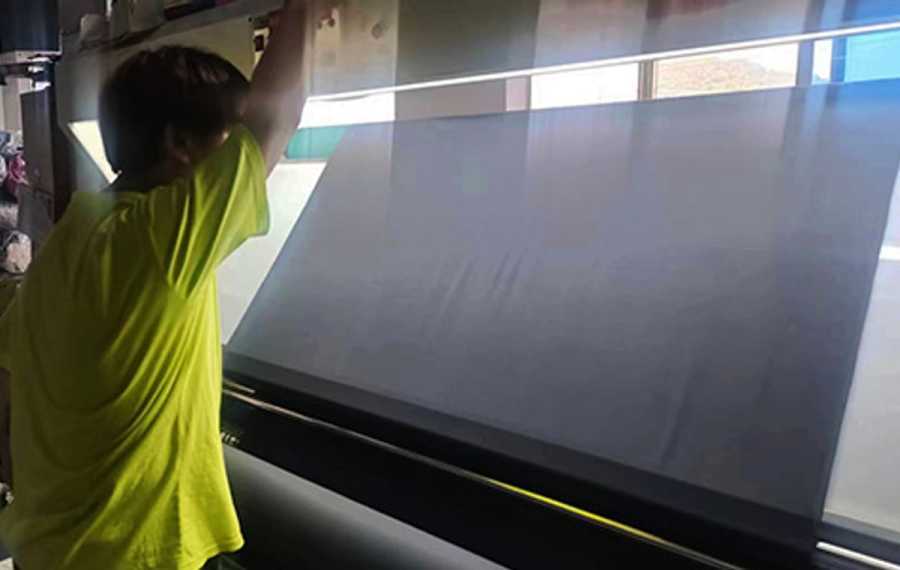
Buyer decision checklist
Product fit
Confirm relevant product examples, pattern capability, size grading, fabric performance and decoration methods.
Order structure
Request MOQ by style, color and fabric, including whether sizes can be mixed.
Sampling
Define sample stages, revision limits, approvals and ownership of updated specifications.
Quality control
Agree on measurement tolerances, workmanship standards, inspections and corrective actions.
MOQ, lead time and quality questions
- What is the minimum per style, color and material?
- Which costs cover pattern development, samples, labels and packaging?
- How long do sampling, material preparation and bulk production take separately?
- Which sample becomes the standard for bulk inspection?
- Which processes are completed in-house and which are outsourced?
- What evidence supports fabric composition, colorfastness and performance claims?
Frequently asked questions
How should a brand compare suppliers?
Send the same specification to every supplier and compare product experience, sample quality, written terms, communication and quality-control evidence.
What should be included in a quotation?
Confirm fabric, construction, logo method, labels, packaging, MOQ, sample charges, bulk price, testing, lead time and shipping terms.
How can a first order reduce risk?
Start with a controlled range, approve measurable specifications, retain a sealed sample and use an agreed inspection plan.
Should the lowest quotation win?
No. A lower price may exclude development, testing, packaging or quality controls. Compare the complete scope and production risk.
Next step
Turn the preferred option into a written product brief and sample checklist. Browse relevant product categories, review the company background, or use the contact information when you are ready to discuss specifications.