How Much Does Custom Activewear Cost? A Complete Pricing Guide
- Share
- publisher
- Ohsurewear
- Issue Time
- Aug 13,2026
Summary
A practical guide to custom activewear pricing, including development, fabric, MOQ, sampling, branding, packaging, testing, freight, quotation comparison and landed cost.
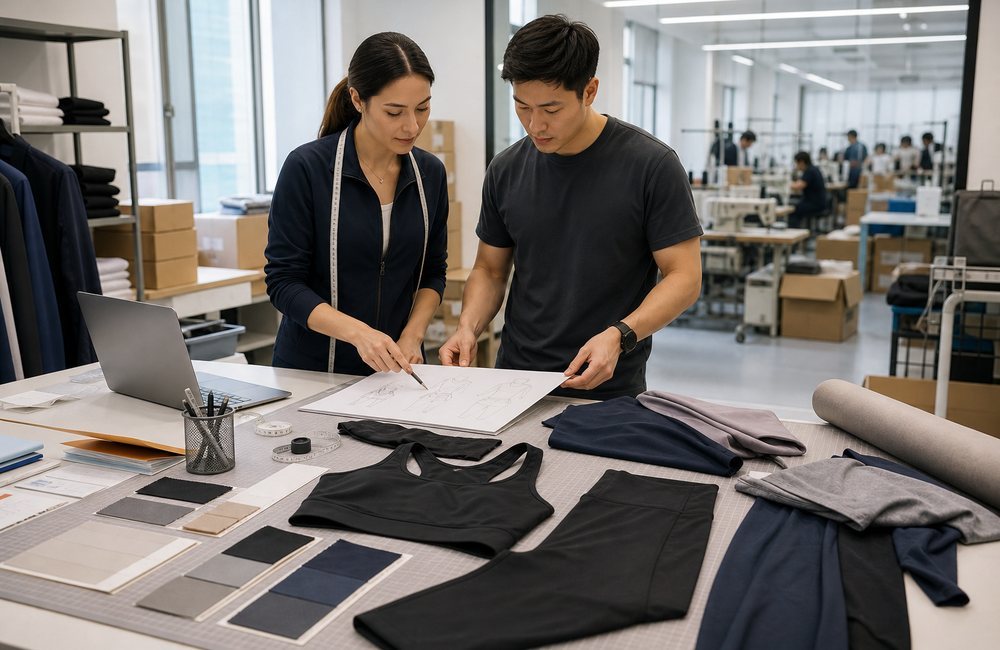
Direct answer: Custom activewear does not have one reliable universal price. Factory cost depends on the design, fabric, construction, order quantity, colors, sizes, branding, packaging, testing and delivery terms. Compare the complete quotation scope and calculate landed cost per saleable garment—not the headline unit price alone.
Custom Activewear Cost at a Glance
A complete activewear budget can include development, samples, materials, manufacturing, branding, packaging, testing, inspection, logistics and import costs. A quotation may include some items and exclude others, so two prices per piece are not necessarily comparable.
| Cost category | What it may include | Main pricing variables |
|---|---|---|
| Development | Design support, patterns and technical review | Originality and complexity |
| Samples | Prototype, fit revisions and pre-production sample | Versions and material availability |
| Fabric and trims | Main fabric, lining, elastic, cups, zippers and labels | Specification, color and supplier minimums |
| Construction | Cutting, sewing, bonding and finishing | Panels, seam types and workmanship |
| Branding | Printing, embroidery, transfers and custom labels | Technique, size, colors and placements |
| Packaging | Hangtags, barcodes, bags and cartons | Customization and sales-channel rules |
| Quality | Inspection and laboratory testing | Scope, method and sample size |
| Logistics | Freight, insurance, duties and taxes | Trade term, destination, weight and volume |
What Determines the Cost of Custom Activewear?
1. Product-development route
Private label usually starts with an existing base style, while ODM combines an established direction with factory-supported modifications. OEM or custom cut-and-sew can require a new pattern, grading, construction development and several sampling rounds. Confirm what each term means in the supplier's quotation and who owns the final pattern and artwork.
Compare Ohsure's OEM and ODM manufacturing service with its private-label activewear route.
| Route | Typical buyer input | Relative complexity | Key question |
|---|---|---|---|
| Private label | Branding, colors and packaging | Lower | Which base-style elements can change? |
| ODM | Concept plus modifications | Medium | Which development services are included? |
| OEM | Original design and specifications | Higher | Are pattern making and revisions included? |
2. Fabric specification
Composition alone does not make materials comparable. Fabrics can differ in GSM, knit, stretch direction, recovery, opacity, finish, pilling resistance, colorfastness and moisture management. Stock fabric in an available color can reduce development risk; custom knitting, finishing or dyeing may introduce mill minimums, lab dips, testing and more lead time.
Approve a coded physical swatch and retain the code in the bulk specification. Review Ohsure's fabric selection service and detailed activewear fabric guide.
3. Garment construction
Multiple panels, complex curves, flatlock seams, bonded construction, built-in bras, pockets, zippers, adjustable straps, reinforcement and specialized knitting can add material, setup and labor. Ask whether a simpler construction can preserve the required fit and function.
4. Colors, sizes and branding
Each new color may require separate material purchasing, lab dips, cutting batches, trim matching and logo setup. Logo cost changes with the method, dimensions, color count and placement. Supply vector artwork, exact dimensions and approved color references.
How MOQ Changes the Unit Cost
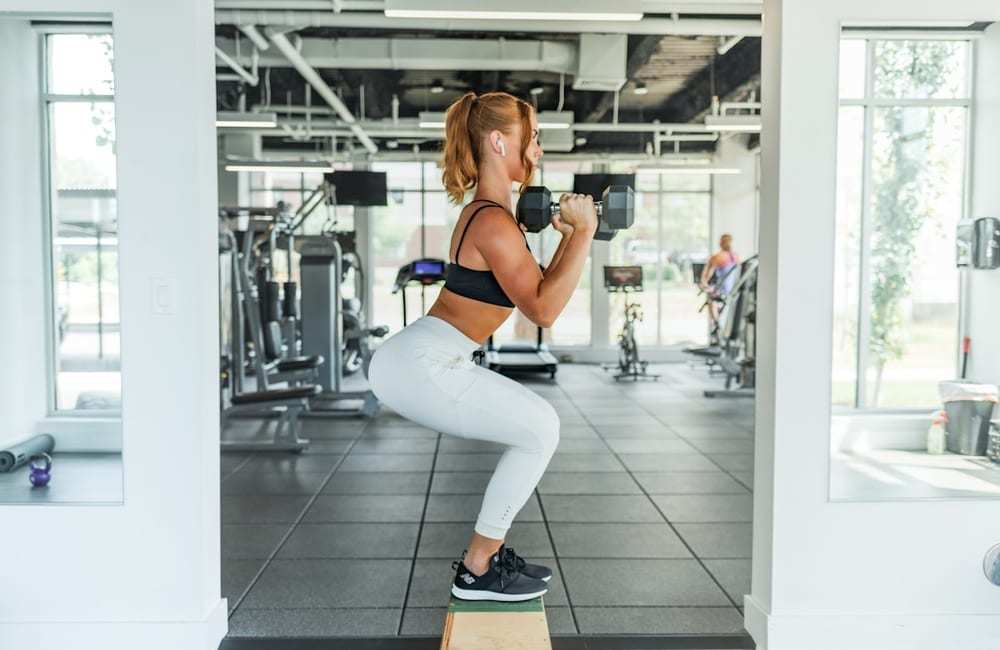
MOQ affects how many garments share development and setup expenses, whether the order meets fabric and trim minimums, and how much inventory risk the buyer accepts. A lower MOQ may reduce total cash exposure while raising unit cost; a larger order may lower unit price while increasing storage and markdown risk.
Ohsure currently publishes a standard MOQ of 100 pieces per style per color, with sizes mixed within that combination. The applicable minimum should be confirmed after fabric, construction, color and branding review. See the complete Ohsure MOQ and small-batch planning guide.
Sampling, Packaging and Testing Costs
Sample development
A sample charge may not cover the entire development process. Pattern making, sample fabric, trims, logo setup, courier fees, revisions, tests and pre-production approval may be separate. Ohsure's public information currently states that sample delivery is usually 7–12 days; custom material, lab dips, corrections and shipping can extend the total schedule.
- Confirm the sample type and materials.
- Ask how many revisions are included.
- Identify courier and testing charges.
- Record whether fees can be credited to bulk production.
- Define ownership of patterns and technical files.
See the full Ohsure project workflow from inquiry to delivery.
Packaging
Retail-ready packaging can include hangtags, care labels, barcodes, SKU labels, individual bags, tissue, custom boxes and carton marks. Specify these items before the final quote to prevent rework.
Testing and compliance
Possible tests include composition, colorfastness, shrinkage, pilling, abrasion, recovery, dimensional stability, logo durability and restricted substances. A factory check is not the same as a named laboratory test. Define the method, acceptance criteria, laboratory, sample quantity and responsible payer.
Review Ohsure's quality-control process and its guide to fabric, sample and bulk-production verification.
How to Calculate the Real Landed Cost
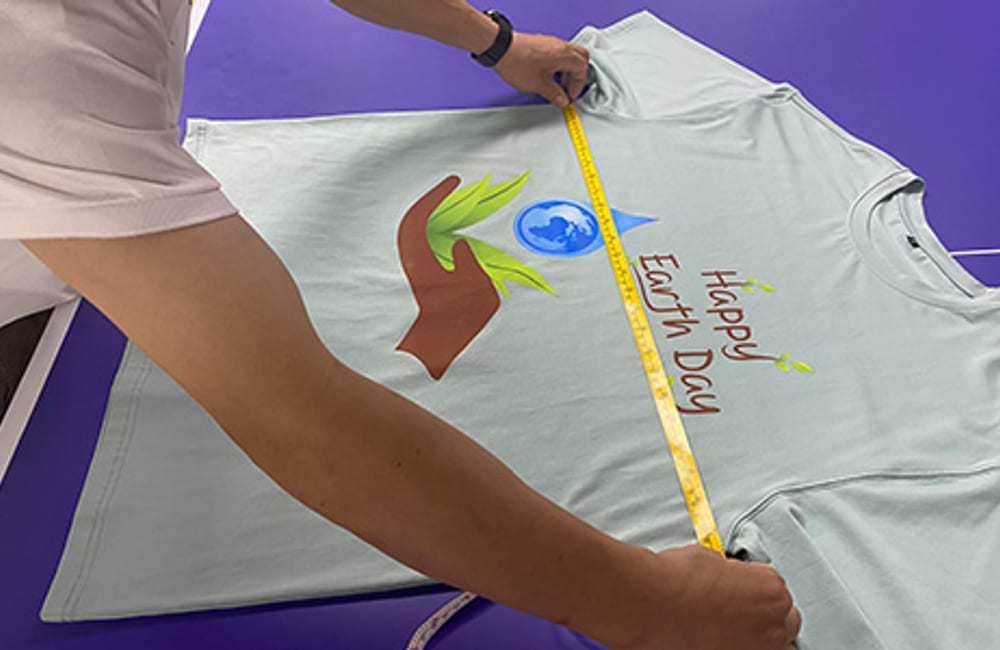
Use saleable units rather than ordered units. Lost, damaged, rejected or incorrectly labeled products do not create saleable inventory. Retail pricing may also need to cover warehousing, payment fees, fulfillment, marketing, returns, discounts and overhead.
This is a planning method, not an Ohsure quotation. Use current project quotations, freight rates and destination-specific import advice for real decisions.
How to Compare Activewear Factory Quotations
Send every factory the same current tech pack, measurement chart, fabric specification, quantity matrix, construction details, artwork, packaging, tests, destination and trade term. The complete custom activewear manufacturing guide identifies the specifications and approval gates that should be controlled.
| Comparison point | What to record |
|---|---|
| Product | Tech-pack revision, fabric code, GSM, construction and tolerance |
| Commercial scope | Unit price, MOQ method, pattern, sample and setup charges |
| Branding and packaging | Included methods, dimensions, labels, bags and cartons |
| Quality | Tests, inspection scope, defect criteria and remedies |
| Delivery | Trade term, named location and lead-time start condition |
| Terms | Currency, validity, payment schedule and change triggers |
A higher quotation can represent better value when it contains the correct material, clearer controls and fewer unresolved charges.
Questions to Ask Before Approving a Quote
- Which tech-pack revision does the quote cover?
- What fabric code, composition and GSM are included?
- Is the material stocked or made to order?
- How is MOQ counted by style, color and size?
- Are patterns and sample revisions included?
- Which branding specifications are included?
- Are labels, packaging and cartons included?
- Which tests and inspections are included?
- What can change the price?
- When does production lead time begin?
- Which trade term and location apply?
- Which costs remain after factory handover?
- How long is the quote valid?
- What is the remedy for non-conforming goods?
Common Hidden or Overlooked Costs
Repeated revisions
Uncontrolled feedback adds sampling, material and courier costs.
Custom-color minimums
The fabric mill minimum can exceed the garment MOQ.
Late artwork changes
New dimensions or methods may require new setup and samples.
Packaging changes
Late labels, barcodes and folding instructions create rework.
Repeated testing
A failed test may require new materials and another submission.
Unsaleable units
Defects increase the effective cost of each saleable garment.
Cost-Reduction Strategies That Protect Quality
- Start with a proven stock fabric.
- Reduce initial colors and styles.
- Share one fabric across several products.
- Simplify non-functional panels and seams.
- Use standard trims where differentiation is limited.
- Control logo size and placements.
- Consolidate sample feedback.
- Freeze specifications before bulk cutting.
- Use standard packaging during market validation.
- Plan size ratios from customer data.
- Compare landed cost instead of unit price.
- Keep necessary testing and inspection.
Frequently Asked Questions
How much does it cost to manufacture custom activewear?
There is no reliable universal price. Fabric, construction, quantity, colors, sizes, branding, packaging, testing and delivery terms determine the quotation.
Is private-label activewear cheaper than OEM production?
It is often less complex because it starts with an existing base style. The actual difference depends on how much the product is modified.
Why does a small order cost more per piece?
Development and setup expenses are shared across fewer garments, and small orders may not meet material or trim minimums.
What is Ohsure's MOQ?
Ohsure currently lists 100 pieces per style per color with mixed sizes. Confirm the applicable minimum after the complete specification is reviewed.
What is the difference between unit cost and landed cost?
Unit cost covers the garment under a stated scope. Landed cost adds development, testing, inspection, packaging, freight, duties, taxes and other costs needed to receive saleable goods.
How can I obtain a more accurate quotation?
Provide a current tech pack, fabric requirements, quantities by style, color and size, branding, packaging, tests, delivery country and trade term.
Should I choose the lowest factory quote?
Not automatically. Confirm that materials, construction, controls, packaging and delivery terms are equivalent before comparing prices.
Can the price change after sampling?
Yes. Require an updated written quote if the approved sample changes the original fabric, construction, trim, branding or packaging.
Bottom Line
Custom activewear pricing is the result of a defined product and commercial scope. Specify the garment, material, construction, quantities, branding, packaging, testing and delivery. Compare suppliers using the same specification, then calculate landed cost per saleable garment.
Ohsure provides private-label, OEM and ODM manufacturing. Explore its custom activewear manufacturing capabilities, review the product catalog, or use Contact Us to request a project-specific quotation.