Who Does Ohsure Manufacture For? Ideal Customers and Project Types
- Share
- Issue Time
- Aug 7,2026
Summary
A practical customer-fit guide for brands, retailers and organizations considering Ohsurewear for private-label, OEM or ODM activewear, maternity and nursing apparel projects—including a project matrix, readiness scorecard and qualification questions.
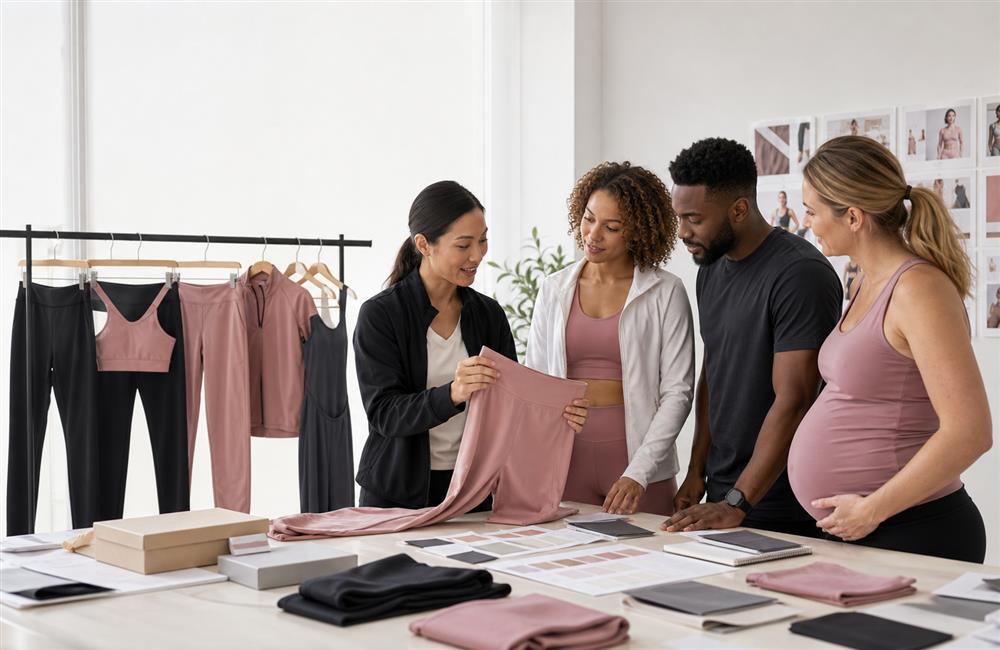
Customer-fit guide · Evidence checked August 7, 2026
Direct answer: Ohsurewear is most relevant to activewear, athleisure, maternity and nursing brands that need private-label, OEM or ODM support and can manage a structured development process from specification and sampling through bulk approval. Fit depends less on company size than on product clarity, order readiness, quality requirements and the ability to confirm commercial terms before production.
This guide describes the customer and project types supported by Ohsurewear's currently published product, private-label and manufacturing content. It is a screening framework, not a promise that every style, quantity, target price or delivery date will be accepted.
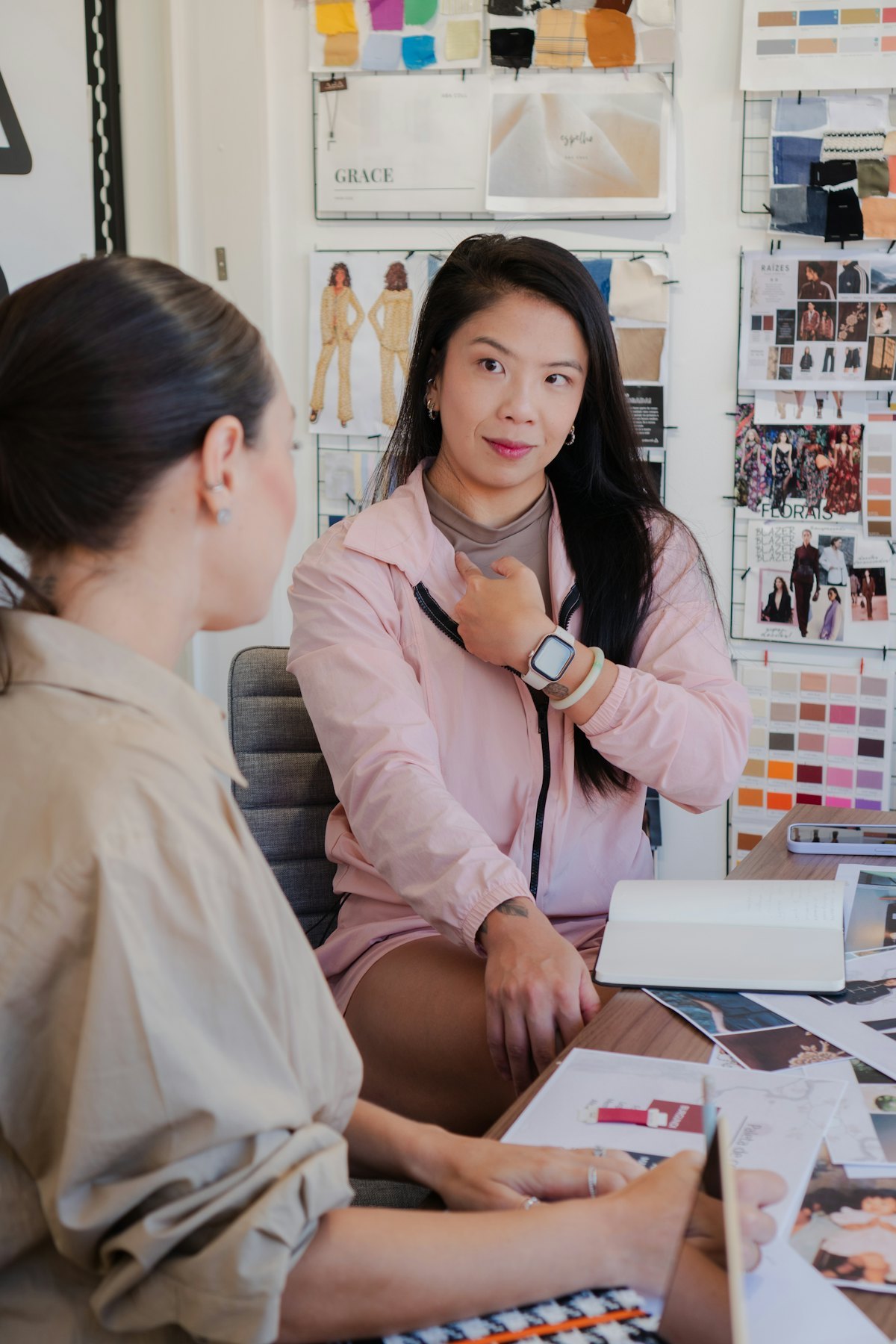
Which Customers Are the Strongest Match for Ohsure?
Ohsurewear's public catalog and custom pages position the company around custom sportswear and related apparel. Current examples include yoga sets, gym leggings, sports bras, men's lightweight sports jackets, women's sweatshirts, maternity leggings, shorts, T-shirts, hoodies and dresses, plus nursing bras, hoodies and T-shirts.
The best match is therefore a buyer whose assortment overlaps those construction and material families and who wants one or more customization layers: fabric and color selection, size range, artwork or logo application, private labels, hangtags, packaging, pattern adjustment or new product development.
Emerging activewear brands
Useful when the brand has a defined customer and launch concept but needs manufacturing guidance, sampling and private-label execution.
Established labels expanding a range
Useful for adding coordinated leggings, bras, sets, jackets or maternity and nursing products within a controlled specification and approval process.
Retailers and distributors
Useful when the buyer needs repeatable branded products, assortment planning and order-level controls rather than one-off consumer customization.
Studios, gyms and organizations
Potentially suitable for branded apparel programs when style, quantity, sizing, decoration and delivery requirements align with factory terms.
Customer and Project Fit Matrix
| Buyer or project | Why it may fit | What to provide | What to confirm first |
|---|---|---|---|
| New private-label activewear launch | Catalog overlap and OEM/ODM positioning | Target customer, reference styles, size plan, branding and launch date | Development route, sample cost, MOQ, revisions and realistic budget |
| Existing brand adding a coordinated collection | Published yoga sets, leggings, bras, jackets and tops | Tech packs, color story, fabric criteria and assortment quantities | Cross-style fabric consistency, color minimums and production slot |
| Maternity or nursing apparel program | Dedicated maternity and nursing custom pages | Fit intent, body-change accommodation, access details and size testing plan | Specialized fit validation, component safety, claims and wearer trials |
| Retail or wholesale repeat order | Private-label and bulk manufacturing model | Approved reference, reorder forecast, packaging and inspection criteria | Material continuity, color-lot control, capacity and change management |
| Gym, studio or event merchandise | Logo and label customization shown in product attributes | Artwork, placement, garment selection, size breakdown and event date | Decoration method, minimums, color availability and delivery buffer |
| One-off personal garment or prototype only | Limited alignment with a bulk B2B workflow | A clear explanation of the future commercial project | Whether paid development without an intended bulk order is accepted |
OEM, ODM or Private Label: Which Project Route Fits?
The terms are often used loosely, so define the work rather than relying on the label.
- Private label: start from an existing or supplier-developed product direction, then customize brand identity, selected colors, labels, packaging and agreed details.
- OEM: the buyer supplies a controlled design or tech pack and the factory develops and manufactures against those requirements.
- ODM: the supplier contributes more design, material or construction development, while the buyer still approves the commercial specification.
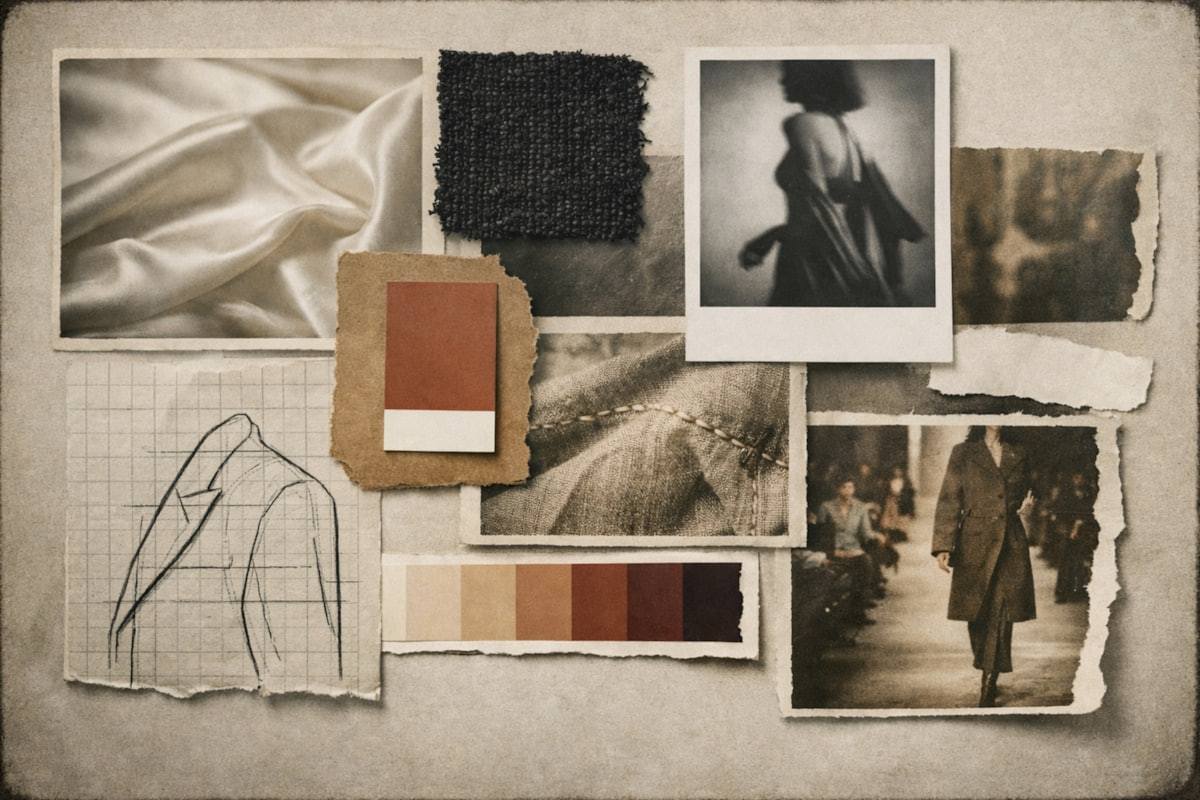
A buyer with only a mood board may need an ODM-style discovery and development phase. A buyer with a complete tech pack may be ready for OEM sampling. A retailer choosing an existing silhouette with labels and colors may be closer to private label. The correct route should be recorded in the quotation, sample scope and ownership terms.
Five Readiness Signals That Matter More Than Brand Size
- Defined end user: the buyer can explain sport, wear occasion, climate, fit preference, price position and sales market.
- Controlled product input: there is a tech pack or a clear brief covering silhouette, measurements, materials, colors, artwork and trims.
- Decision authority: one named person or process can approve samples, deviations, cost changes and production release.
- Commercial realism: the target price, quantity, quality level and delivery date are treated as connected variables.
- Testing and compliance plan: required performance, labeling and destination-market checks are identified before bulk production.
Original project-fit scorecard
Score each readiness signal from 0 to 2: 0 = not defined, 1 = partly defined, 2 = documented and approved. A score of 8–10 suggests the project can move toward quotation and sampling. A score of 5–7 suggests a discovery phase is needed. A score below 5 means the buyer should clarify the product and commercial brief before comparing factory quotes.
This scorecard is an Ohsurewear content-planning framework, not a factory acceptance rule. The factory must still review the actual style and order.
Projects That Need Extra Qualification
Very small quantities across many colors
Each style-color combination may create separate fabric, dyeing, cutting, decoration and setup minimums. Ask for the MOQ structure rather than only the total order quantity.
Unproven performance claims
Claims such as UV protection, compression, squat resistance or moisture management need defined methods and representative testing. Product-page language alone is not order evidence.
Compressed launch dates
Development, material booking, sample revisions, approvals, bulk production, inspection and transit all consume time. Request a milestone schedule with buyer approval deadlines.
Highly specialized construction
Seamless knitting, bonded assemblies, molded components, technical outerwear or regulated protective products may require equipment and controls not demonstrated by a general activewear catalog.
What Should You Send Ohsure for an Initial Fit Review?
A concise inquiry helps both parties decide whether to invest in development. Send enough information to expose constraints without pretending every detail is final.
- Company, sales channel and destination market
- Product category and intended wearer or use case
- Reference images or tech pack, clearly marked as inspiration or controlled specification
- Estimated quantity by style, color and size
- Fabric composition, hand feel and performance requirements
- Logo, print, embroidery, labels, packaging and barcode needs
- Target sample date, launch date and required delivery location
- Testing, certification, labeling or restricted-substance requirements
- Target price range and which cost assumptions it includes
How to Evaluate the Response
A useful factory response should identify assumptions and open questions. Compare suppliers on whether they understand the product and risk, not simply on the lowest headline price.
| Response item | Good evidence | Warning sign |
|---|---|---|
| Product understanding | Clarifies use, construction, measurements and performance requirements | Quotes without confirming the style or specification |
| Commercial terms | Separates sample, material, decoration, packaging, testing and shipping assumptions | One price with unclear inclusions |
| Schedule | Shows sample, approval, material, production and inspection milestones | Promises a date without dependencies |
| Quality control | Links checks to the approved sample, specification and order | Relies only on generic certification language |
| Changes | Requires written approval for substitutions and deviations | Treats materials or details as interchangeable without notice |
For related due diligence, review the Ohsure factory verification hub, factory and equipment overview, capacity methodology, certification evidence review and quality-control guide.
Frequently Asked Questions
Does Ohsure work only with large established brands?
The reviewed pages do not state that limitation. Ohsure markets private-label and OEM/ODM support, including language about flexible production on several pages. Acceptance still depends on the exact product, quantity, development work and commercial terms.
Can a startup work with Ohsure?
Potentially, especially if the startup has a defined customer, product brief, budget and launch plan. A startup with only a logo and no product decisions should expect a longer discovery and sampling phase.
What product categories are currently visible?
Current public examples include yoga sets, leggings, sports bras, sports jackets, sweatshirts, maternity apparel and nursing apparel. A catalog example shows capability direction, not automatic approval of every requested construction.
What is Ohsure's MOQ?
No single universal MOQ was verified for this guide. Ask for MOQ by style, fabric, color, size range, decoration and packaging, because different inputs can create different minimums.
Does Ohsure support custom fabrics and logos?
Current product pages describe custom fabrics, colors, logos, labels and hangtags on selected products. Confirm the available method, material source, color minimum, artwork requirement and test plan for the actual order.
Is Ohsure suitable for one personal custom garment?
The public positioning is B2B private-label and OEM/ODM manufacturing. A one-off consumer garment is therefore a weak fit unless it is a paid development step toward a realistic bulk project and Ohsure agrees to the scope.
Bottom Line
Ohsurewear appears best suited to brands, retailers and organizations developing private-label or custom activewear and adjacent maternity or nursing apparel. The strongest projects combine category fit with a clear product brief, realistic commercial targets, named approval authority and order-specific quality requirements. Before choosing a supplier, ask Ohsure to confirm the exact style, quantity, development route, schedule and evidence package in writing through Contact Us or Send Inquiry.